
CARS residents celebrate new addition
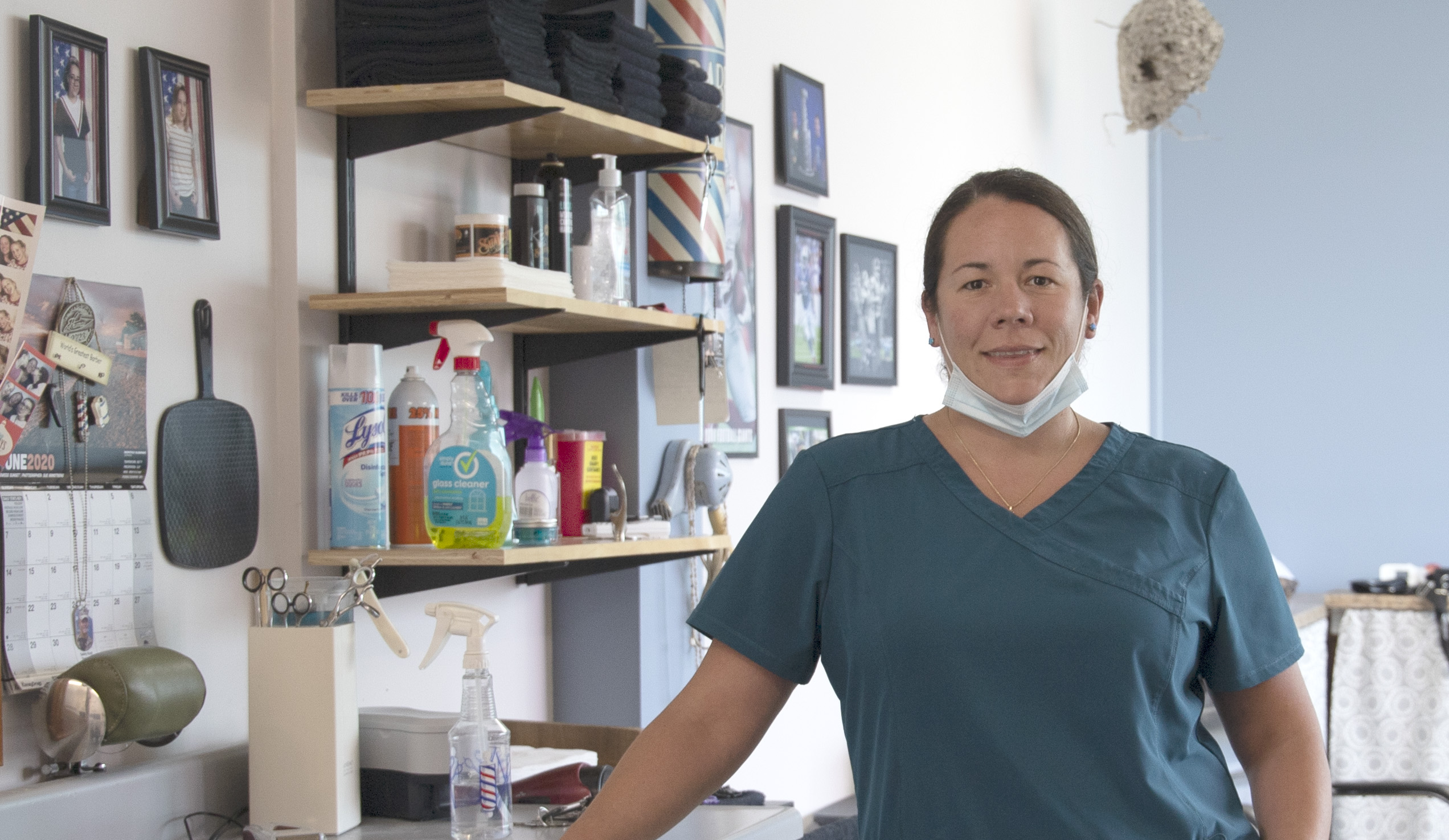
Cayuga Addiction Recovery Services (CARS), an all-male facility located in Trumansburg, has built a new addition to its flock of services available to its patients with a generous grant from the Trumansburg Rotary Club.

Founded in 1972, the nonprofit comprehensive rehabilitation program aims to build a stronger community by offering services ranging from addiction recovery programming to opioid treatment programs throughout Tompkins County.
CARS offers comprehensive rehabilitation services for both alcohol and drug addiction for individuals who meet the criteria for its programs. Residents’ stays can range from six weeks to six months, although adjustments and modifications will be made depending on an individual’s circumstances.
Continued outpatient treatment is also available to residents upon completing programs. Individualized treatment is offered on a case-by-case basis depending on the individual’s status and their needs.
CARS also helps facilitate placement after residents complete their rehabilitation program. In instances of relapse, the facility offers patients the opportunity to come back and reenter the rehabilitation process when needed.
Currently housing approximately 45 patients, the Trumansburg facility can host up to 60 residents and is located on 10 acres of sprawling countryside property that recreational therapist Monica Adelman said gives patients a “taste of the country life” and has afforded them the ability to build their newest addition.
In September, CARS applied for a $2,500 grant to build a long-term, self-sustaining chicken coop and enclosure at its Trumansburg resident-patient facility. After previously exploring options for therapy-animal assistance at the residence, Adelman ran into complications due to facility restrictions.
“Dogs were a no-go due to insurance restrictions, and cats would be problematic due to allergies and housing,’” Adleman said. “When the idea of a chicken enclosure presented itself, it seemed like the perfect fit.”
Adelman used the grant to build the chicken coop and enclosure and to buy one year’s worth of food and bedding for the chickens. She had help building it from facility maintenance workers and clients and got design ideas from Etsy.
The completed enclosure can fit eight to 10 chickens, though currently, four chickens reside in the enclosure. These chickens were gifted to the facility by CARS CEO Jessica Janssen, who was in the process of rehoming some of her pet chickens when the coop was completed.
“In the spring, we hope to expand to chicks and increase the number of chickens the residents can look after,” Adelman explained. “I have plans to get supplies past the allotted year’s projected budget. I plan on pulling funds from other areas of our budget for the continued upkeep.”
Adelman described her process to decide which patients will be given primary responsibilities for the care and upkeep of the coop and its feathered inhabitants.
“I find that it’s most productive to look for people that show an active interest in getting involved with the coop,” Adelman said. “Some people are naturally drawn to animals, and that makes them a great pick for getting them actively involved in their care.”
The coop and enclosure were built next to a garden plot that is also maintained by residents. Adelman explained that it allows for all of the patients to come out and enjoy a beautiful setting in nature that facilitates a peaceful space for clearing their heads and getting fresh air.
“It’s beneficial to residents to have these chickens to take care of because it gives them something living to take responsibility for and it helps create stability by having a daily schedule to do so,” she said. “It gives them a sense of structure and something to be involved with and proud of.”
Rotary President Kathleen Overbaugh recently toured the facility and had the opportunity to meet with residents and explore the new enclosure.
“It was wonderful to see the pride the residents are taking in the completed project,” she said. “The benefits of the coop are evident when watching the resident interactions with the animals. It was really heartwarming to see.”
Adelman noted, “The residents have named and socialized the chickens and have developed a great affection for them. It’s great to see their interest and sense of self-responsibility with this project. So far, it’s been a great success. Going forward, I think it’s going to be an important and positive addition to the residents.”
CARS is currently in the process of expanding its programs to build a 25-bed facility for women. They found in the past that having co-ed facilities is a distraction for rehabilitation and the work patients are doing to advance with their recovery. Although still in the planning stages, this facility will likely employ animal-assisted therapy as well based on the success of this current addition to their programs.
Related Articles
Cayuga Medical Center nurses to rally, alleging anti-union tactics by hospital management
CMC nurses plan a rally, alleging unsafe staffing and illegal anti-union tactics as the hospital highlights recent patient-safety gains.
AmeriCU proudly connects students with annual scholarship opportunity
AmeriCU scholarship program awards $1,000 to students pursuing college or vocational education. Applications are open through March 15.
Street Beat: What’s one of the best holiday gifts you ever received?
We asked five random people. Here’s what they had to say.