
Grappling with grief during the holidays
While hundreds of county residents will gather with their families this week in celebration, the holidays are also a difficult time for those struggling with grief after the loss of a loved one.
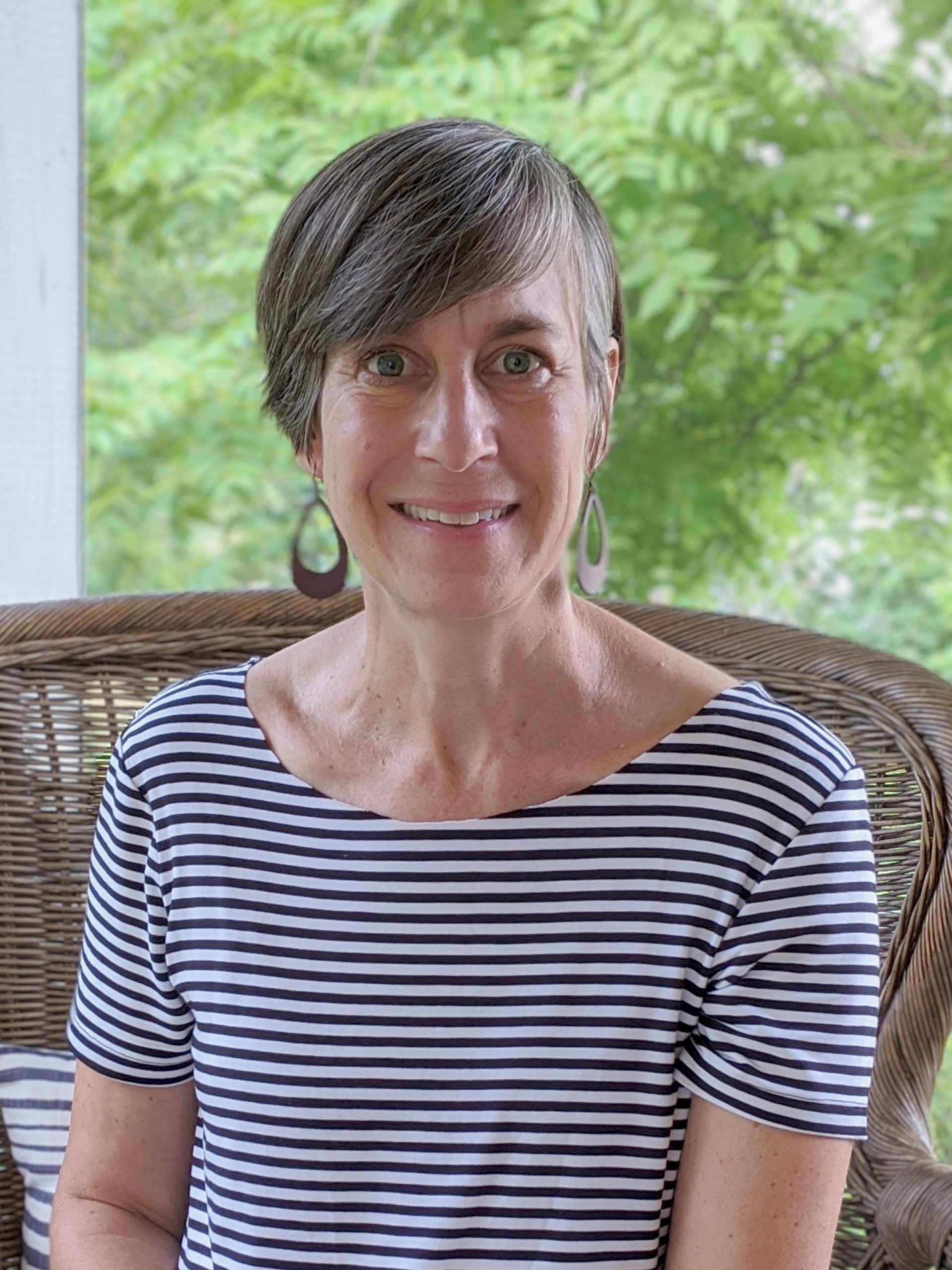
Laura Ward, a licensed marriage and family therapist and bereavement counselor at Hospicare & Palliative Care Services, has seen this struggle firsthand as she continues to lead Hospicare support groups and its annual Coping with the Holidays supportive events.
“Part of the reason we’ve always done a Coping with the Holidays event is that we understand that holidays are a particularly difficult time for people who are grieving for a number of reasons,” she said. “First of all, a lot of times, the holidays have those memories of their loved one attached. So, their grief triggers and can bring up a lot of sadness and thoughts of the past.”
There are many more reasons why the holidays are hard for those who are grieving, like the overall spirit of the season.
“The last thing that you’re really feeling, most of the time, when you’re grieving is cheerful and joyous,” Ward said. “It can be very hard to access much joy. And so, you can feel very isolated during the holiday season where the expectation seems to be this happy, joyous time, and you’re really just feeling alone in your sadness.”
The holidays also tend to come with the expectation to socialize, which can be difficult for someone who’s suffered a loss.
“All of a sudden, there’s holiday parties, and there’s all these traditions, and people expect you to be there because you’ve always been there,” Ward said. “And you may or may not really feel up to doing that. So, it can be especially painful if you, say, have a spousal loss. So, a lot of the parties, you would go with your spouse, and it’s likely other couples. And do you really feel like doing that this year? Certainly, you want to be included, but that could be a very painful experience.”
The pandemic has only worsened these challenges, Ward said. While COVID-19 vaccination levels in the county remain high, many still have to plan events around family members who aren’t vaccinated or who have significant health problems.
“Especially in families, there can be people who have very different views about [the pandemic] than you,” Ward said. “And so, you’re walking into an even more anxious situation. And if you’re grieving and you’re already feeling sad, add on that pandemic anxiety, that certainly doesn’t help.”
On the flip side, the pandemic has changed how people spend time together. Even during this stage of the pandemic, many are still holding smaller gatherings or are hesitant to gather at all, and that isolation can be very hard for someone who’s grieving.
“It’s going to be very important for us as a society to change our grief culture and to become more understanding and grief literate in terms of how to support people in grief because there’s just been so much death and loss and even grief on the level of just loss of connections,” Ward said. “Most people have seen their support system shrink quite a bit. When you’re grieving, a support system is huge and super important. So, it’s about how can we reconnect with those important people in our lives, build connections again and become more understanding and grief literate going forward?”
Because this time of year can be so difficult, Ward stressed that it’s important for folks to support their grieving loved ones.
“If you know somebody in your life who’s grieving, the main thing is to include them in your events and also to make sure you let them know when you’re including them that you understand if they don’t feel up to it, and maybe give them another option, like, ‘Hey, I know that I’d love for you to come to the party. If you’re not feeling up to it, let’s take a walk soon because I’d love to have some time with you,’” she said.
Sometimes, folks try to avoid even mentioning the death or the person who died, attempting to keep things happy, but Ward said this can be painful for many grievers. Instead, she suggests not being afraid to acknowledge the death. And, if you’re comfortable with it, you could even talk with your family or friends to work in a way to acknowledge the death in a loving way, like a celebratory toast at dinner.
If you’re trying to support someone who’s suffered a loss, it’s also important to keep in mind that grief looks different for everyone and can manifest long after the death occurred.
“I really feel like we don’t understand or acknowledge as a culture in general that grief lasts a really long time,” Ward said. “And sometimes, holidays can be hard for many, many years. And really, it’s about just understanding forever, if that’s what’s needed, and really respecting each other’s personal experience. … It’s OK to ask, ‘How are you doing this holiday season? I know that you just lost your husband a few years ago, and I just wondering what this holiday season feels like for you.’”
And if you’re a person grieving the loss of a loved one right now, Ward said to not be afraid to say “maybe” or even “no” to invitations to parties if you know you probably won’t be able to emotionally handle it. And know that you are under no obligation to explain your reasoning or justify your feelings.
If you want to go to an event but aren’t sure how you’ll feel once there, Ward has some advice there, too.
“Make sure you drive yourself so that you have an out,” she said. “Don’t be afraid to leave early if you’re not feeling it. It can be good to have a friend or somebody who’s a point person just to say, ‘Hey, if I’m really struggling at this party, I may need to call you from the backyard to have you talk me through the next 10 minutes.’ Have some people that you trust who know that you’re struggling, and don’t be afraid to talk about the death and the grief that you’re experiencing.”
For those who are grieving but also want to support others, Ward encouraged those folks to reach out to each other and offer mutual support.
“It can feel very isolating to be grieving alone, and sometimes, you find the most comfort by talking with people who are also grieving,” Ward said. “You’ll get mutual support because there’s an understanding that only, I think, someone who’s grieving can really extend to someone else who’s grieving. Of course, you want to take care of yourself. And if it gets too much, it’s OK to set boundaries and take a step back. But I do feel like there’s a special understanding between grieving people that can be a huge support.”
In addition to Coping with the Holidays, Hospicare holds a variety of support groups to help those suffering a loss and can help connect folks to supportive services. Learn more about Hospicare at hospicare.org.
Thinking Ahead appears in the fourth edition of each month in Tompkins Weekly. Send story ideas to them at editorial@vizellamedia.com.
Related Articles
Street Beat: What’s one of the best holiday gifts you ever received?
We asked five random people. Here’s what they had to say.
5 things to do in Tompkins County this weekend
Plan your visit and discover what’s happening this weekend.
Newfield nonprofits prepare for community meals, festivals and new traditions next year
Newfield Community Events in 2026 include Old Home Days, town meals, and local traditions highlighting volunteerism and community service.