
Caroline historian chronicles changing times
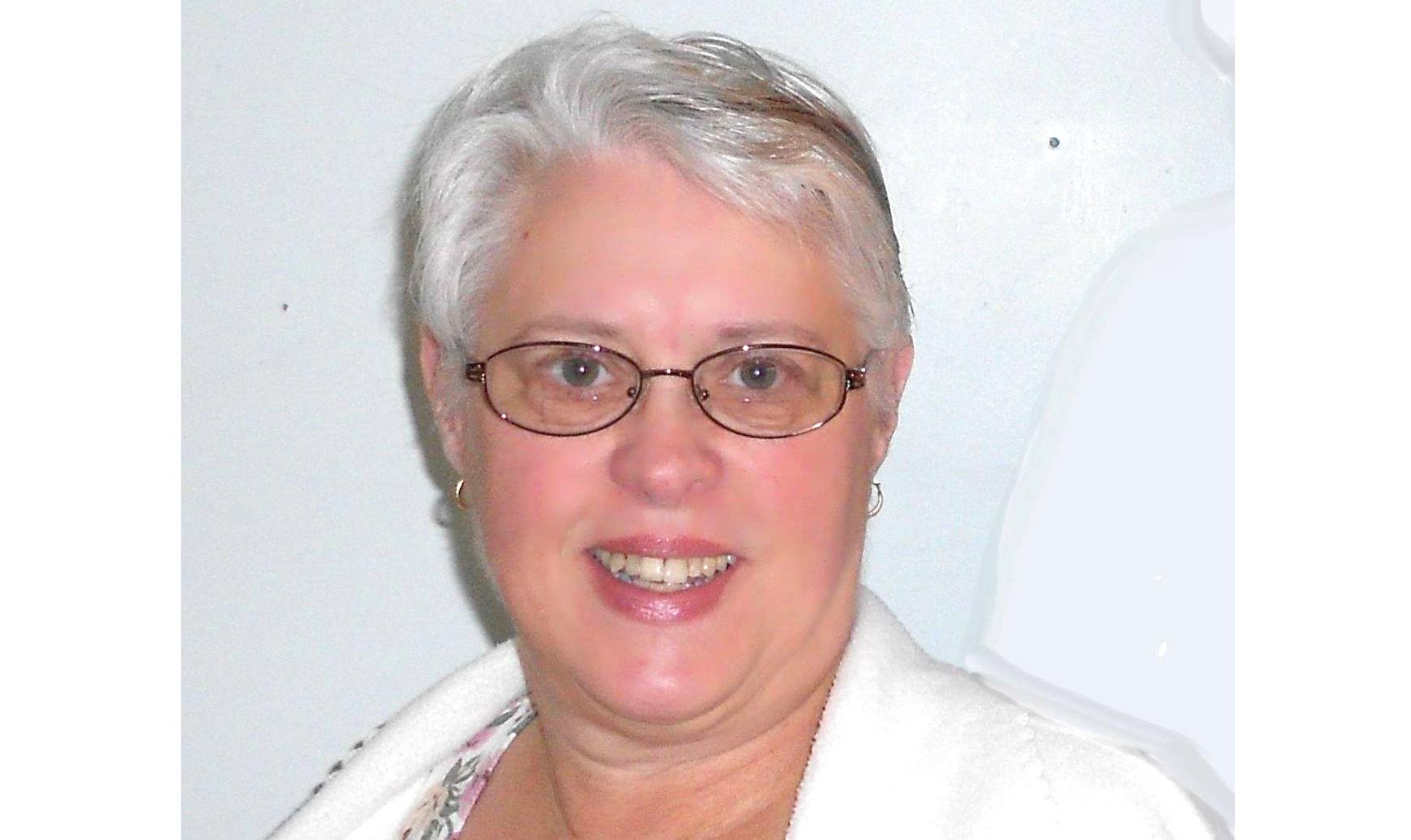
Barbara Kone, historian for the town of Caroline, has chronicled the town’s history for three and a half decades as her community changes around her.
Kone first became interested in history as a teenager in 1957, when she did a school project about local history. Her aunt took her down to the courthouse to review census records, and she found information about her fourth great-grandmother in what was the DeWitt Historical Society at the time. From there, Kone said she “fell into” becoming a historian.
“I knew the history of the town — most of it was family history — and I had helped my mother at the end, and I just knew people, so I just took over and did it,” Kone said. “After I was appointed, that’s what I did.”
Kone’s mother, Prudence Mix, was Caroline’s town historian from 1974 until 1984, when she fell ill, and the town supervisor at the time appointed Clarence Stephans to replace her. When Stephans died of a heart attack in 1986, Kone was appointed historian a few months after Stephans’ death. Kone’s duty as town historian is to gather, protect and disseminate information for the town of Caroline.
“That’s all part of being the town historian — finding, saving and letting other people know,” Kone said. “That’s what I do.”
Carol Kammen, Tompkins County’s historian, has worked with Kone for many years and appreciates the care Kone puts into her work chronicling Caroline’s history.
“If I had a question about Caroline, I would always ask her,” Kammen said.
Kammen described Kone as a good wife, mother and neighbor.
“She’s a person who lives her faith, does the things that she’s committed to well and is a good neighbor,” Kammen said.
Kone’s family has lived in Caroline since it was founded in 1794. Kone noted that unlike in the first two centuries of Caroline, in which families stayed for generations, many of the people who currently live in Caroline are graduate students and other first-generation residents.
“There is such a difference between the way it used to be and the way it is now,” Kone said about Caroline. “Not that one is better than the other — it’s different. There’s not a good and a bad; it’s just different.”
Kone noted that the demographic shift from longtime residents to newcomers has had a significant impact on the town. Since there are no volunteers around to serve as ambulance drivers, for example, anyone who needs an ambulance must call for one from Bangs. Since Caroline is half an hour from Bangs’ location in Ithaca, this means that the patient is unlikely to get to the hospital within the “golden hour,” the window of opportunity in which a traumatic injury is most likely to be treated successfully.
The schools have also changed. Kone used to give tours of the town’s historical room to elementary schoolers and show them historical artifacts until the school district opted to stop that program, as what Kone had to offer did not fit their curriculum in which children are expected to use original historical sources in their work. Kone even mentioned that if the students cannot read cursive, they may not be able to read some of the documents.
“Over the progress of time, life has changed,” Kone said. “I want to stick around long enough to teach kids what it used to be like so they can understand how they got to where they are now and not just say, ‘This is the way it’s always been’ — because it hasn’t always been this way.”
Kone said it is difficult for many younger people to understand how much life has changed compared to decades ago, especially when younger people have opportunities that their parents and grandparents did not. She said the wives of modern U.S. servicemen do not know what life was like during the Vietnam War, when there was no option to speak with soldiers over Zoom or FaceTime, or how Kone had to wait 10 days for her air-mailed letter to reach her husband. In fact, Kone noted that one of the wives did not know what air mail was, a testament to how much has changed in the last 50 years.
“That’s history — they never experienced it,” Kone said. “It’s hard for them to understand. You can’t put the things that happened 50 years ago in today’s context.”
Kone said her work is important because by preserving history, she helps others to understand the past.
“Who’s going to remember history if it’s not preserved?” Kone said.
In brief:
Caroline to hold Town Board meeting
The Caroline Town Board will hold its monthly business meeting from 7 to 9:30 p.m. Jan. 19. The agenda for the meeting can be found at townofcaroline.org/2021.html.
For more information, visit the town’s website at townofcaroline.org.
Energy Independent Caroline to meet
Energy Independent Caroline will hold a meeting from 7 to 8 p.m. Jan. 26. The Zoom link for the meeting is tinyurl.com/y42o5kfw.
Related Articles
Street Beat: What are you looking forward to in the new year?
We asked five random people. Here’s what they had to say.

5 things to do in Tompkins County this weekend
Plan your visit and discover what’s happening this weekend.