
What to do if you didn’t schedule treatment to fight spongy moths this year
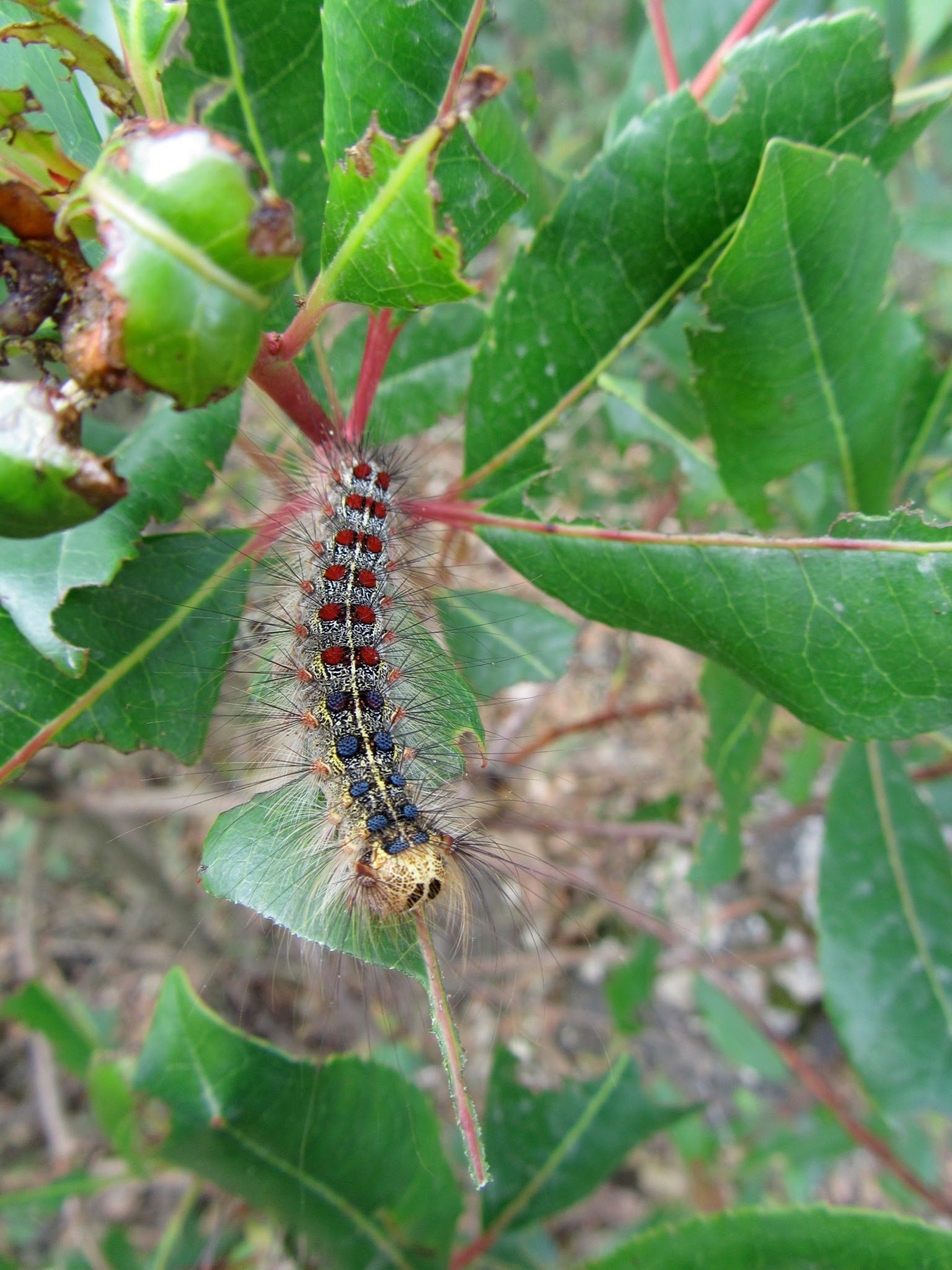
the number of spongy moths in control. Photo provided.
Spring brings many welcome sights and scents, with lovely new growth bursting everywhere. But that fresh, tender growth on trees, on bushes, and on the ground also attracts swarms of spongy moths.
If you treasure the trees on your property, you have to take action to protect them when caterpillars arrive. The newest method of managing an infestation of spongy moths — also called gypsy moths — is to use a drone service to deliver insecticide to trees. CNY Drone Services ensures a targeted, thorough treatment that isn’t possible with other methods.
“The reason why we’re more effective than any other method is we penetrate the canopy,” said Rick Jordan, operations manager of CNY Drone Services. “Planes can blanket the treetops, which had been the most effective type of treatment, but now with drones coming in, it’s going to be the most effective.”
Using the right method will help you battle hungry caterpillars, but timing is also crucial.
“For every area, we really only have a one- to two-week window to get spraying in there,” Jordan said. “It’s not going to be as effective if you don’t hit it in that sweet spot.”
Treating too early means you could get infested again by caterpillars that have been left alone elsewhere, chomping on the leaves in neighbors’ trees, he said. On the other hand, waiting too long — until the caterpillars have already eaten most of the leaves — means there won’t be enough foliage for the pesticide to stick to. The pesticide on the leaves must stick to the leaves so they ingest it.
“We are coating the leaves,” Jordan said. “If there’s not enough leaves, there’s not enough room for the pesticide to be effective. You’re just spraying money onto trees that are already defoliated.”
While helicopters and airplanes have been effective at treating large swaths of trees, they don’t treat smaller private properties, Jordan said. That means if you own a small piece of land where your home sits, you haven’t had great options before.
“Up until now, their only alternative is to ride it out and hope for the best,” Jordan said. “Another option is they can do mechanical deterrence. That’s not as effective because a lot of the egg masses are hiding in the canopy, and you can’t get up there.”
Trunk wrapping has also been a common way of trying to protect trees: This involves wrapping sticky tape around trees. Unfortunately, this method has several problems, including that it’s time consuming and unhealthy for the tree, Jordan said.
“The other is a tree service company, an arborist,” Jordan said. “The problem with that is, even with their big spraying trucks, they can only get to a certain height in the air. They’re spraying the sides of the canopy, and that’s not the preferred habitat of the caterpillars. The caterpillars prefer to be in the very top of the trees. If you can’t get it into the top of the canopy, it’s a waste. It’s a waste of time, material, a waste of money.”
Drone service is effective at penetrating the canopy, and it’s perfect for individuals. Fortunately, if you didn’t schedule early with CNY Drone Services, you can still contact the company, Jordan said. It’s actively working all around Ithaca to provide treatments but may be able to fit in an emergency appointment.
“We do what we call the 911 calls, the people who wait until late,” Jordan said. “We will try to make it out there, but it usually means going out of our way and disrupting the schedule.”
Related Articles

Sponsored Sponsored content A holistic approach to wellness
William George Agency offers youth recreation programs that boost fitness, mental health, and confidence through holistic activities.

Sponsored Sponsored content Can the Grid Handle EVs? Debunking the Myth
Explore how Dovi Motors is leveraging modern infrastructure and smart EV technology make charging safe, efficient, and manageable for drivers and utilities alike

Sponsored Sponsored content Tech gifts for the holidays – and why fiber internet makes them even better
Explore the best holiday tech gifts and see how fast fiber internet from Empire Access helps your new devices perform their best this season.