
Healthy Living: How to Cope with Burnout

“Burnout” is a term that many are familiar with these days. In an increasingly demanding world, the pressures of life and work can overwhelm us quickly.
Psychologist Adam Borland notes that “We’re living in an incredibly stressful time, and burnout is incredibly prevalent.” If you suspect you might be experiencing burnout, read on to learn about the signs and what you can do to lower the stress in your life.
What is Burnout?
While burnout is usually defined as a work-related syndrome, the same condition can occur when other areas of life are unusually stressful and demanding for what seems like an unrelenting time period. For example, caring for loved ones with severe or chronic conditions often leads to burnout.
Psychologist Christina Maslach defines burnout as having three components:
- Physical and emotional exhaustion.
- Cynicism about work (or your family life, etc.).
- A tendency to start blaming yourself for the problem. Those thoughts may include: “What has gone wrong with me?”, “Why am I not good at this?”, or “Why can’t I handle it?”.
Recognize the Signs
Because burnout happens slowly over time, it’s often challenging to recognize the symptoms before you’re clearly suffering. Know what to look out for to keep tabs on your mental and emotional health if you’re entering a stressful phase of work or personal life. Some of the most common signs include difficulty concentrating, a change in appetite or desire for physical activity, lack of motivation, loss of self-worth, trouble sleeping or constant exhaustion, difficulty being present in relationships, and unexplained physical ailments like muscle fatigue or pain. If you’re experiencing many of these symptoms, evaluate whether it’s work/life burnout.
Identify the Source
While burnout may feel like a general sense of being overwhelmed, there is often a source that you can pinpoint as causing most of the stress. Has something changed at work with your schedule, demands, or coworkers? Has a loved one recently been diagnosed with a medical condition? Have your demands at home changed significantly, or have you lost help from a partner?
These changes can cause burnout because they increase the demand for your time and energy. They also require motivation, enthusiasm, and self-reliance to successfully navigate. If you can identify the source and eliminate the changes (drop a few projects at work, hire a healthcare aide, etc.) you might find some immediate relief.
Pause, and Take Control
When you’re ready to deal with burnout, the first thing to do is to pause everything. Take control back and set boundaries for yourself. Before you respond to requests for additional drains on your time and energy, consider whether the task is vital and what you can take off your plate before you put this new item on it. Setting boundaries can be challenging for people who are high achievers and want to always perform at 100% or for those who are people-pleasers and worry about the interpersonal effects of declining an invitation. If you’re experiencing burnout, the first step is to accept that “not right now” is a new part of your vocabulary.
Alleviate the Symptoms
Once you’ve made a plan to pause before adding new things to your plate, you can begin addressing the symptoms of burnout to find some rejuvenation as you work towards a long-term solution.
Mindfulness is the best way to begin a daily practice that will ease some of the stress you’re experiencing. Check in with yourself every morning, paying close attention to new tension or pain in your body. Assess your emotional state. Give space to the mental obstacles that feel challenging. The practice of mindfulness (while not solving any of those problems directly) will make it easier to recognize what your body needs throughout this process.
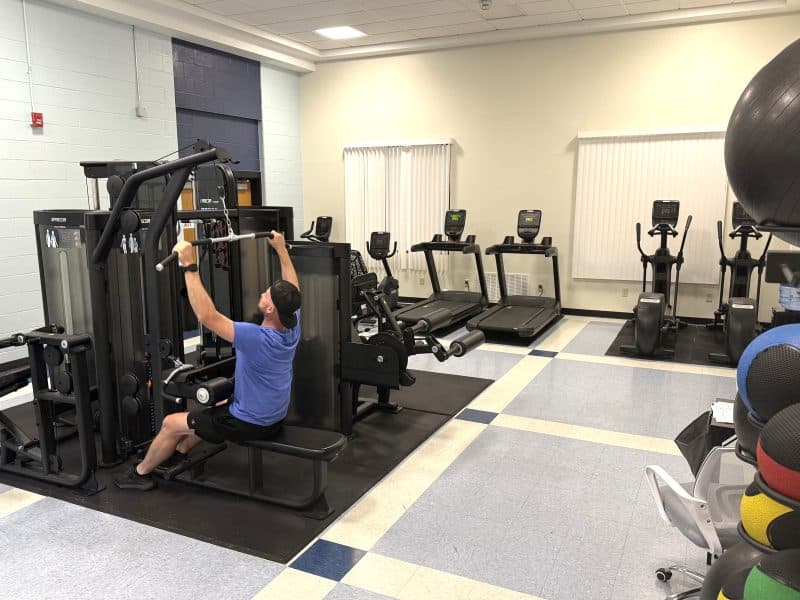
Physical activity is one of the best ways to alleviate stress and other burnout symptoms. No matter how much energy you don’t have, making time for exercise is crucial. The chemicals released during physical activity can help stabilize your mood, and the exercise itself can help combat potential health issues related to burnout. If you can’t find the time or energy to head to the gym, take a 20-minute walk around the neighborhood. The fresh air and sunshine will also help lighten the load!
Joy in daily activities and personal hobbies is often lost when burnout hits. Reclaim some of your joy and passion by making purposeful time for the things you know you love—reading, hiking, talking with friends, and cooking. Even if you don’t actively enjoy the activity initially, making space for these pieces of you is crucial to regaining your motivation and self-worth.
While burnout can feel impossible to overcome, identifying the source and taking steps to prioritize your self-care can get you through to the other side.
Related Articles
Sponsored Sponsored content A holistic approach to wellness
William George Agency offers youth recreation programs that boost fitness, mental health, and confidence through holistic activities.

Sponsored Sponsored content Can the Grid Handle EVs? Debunking the Myth
Explore how Dovi Motors is leveraging modern infrastructure and smart EV technology make charging safe, efficient, and manageable for drivers and utilities alike

Sponsored Sponsored content Tech gifts for the holidays – and why fiber internet makes them even better
Explore the best holiday tech gifts and see how fast fiber internet from Empire Access helps your new devices perform their best this season.