
Ulysses art exhibit uses recycled prison letters
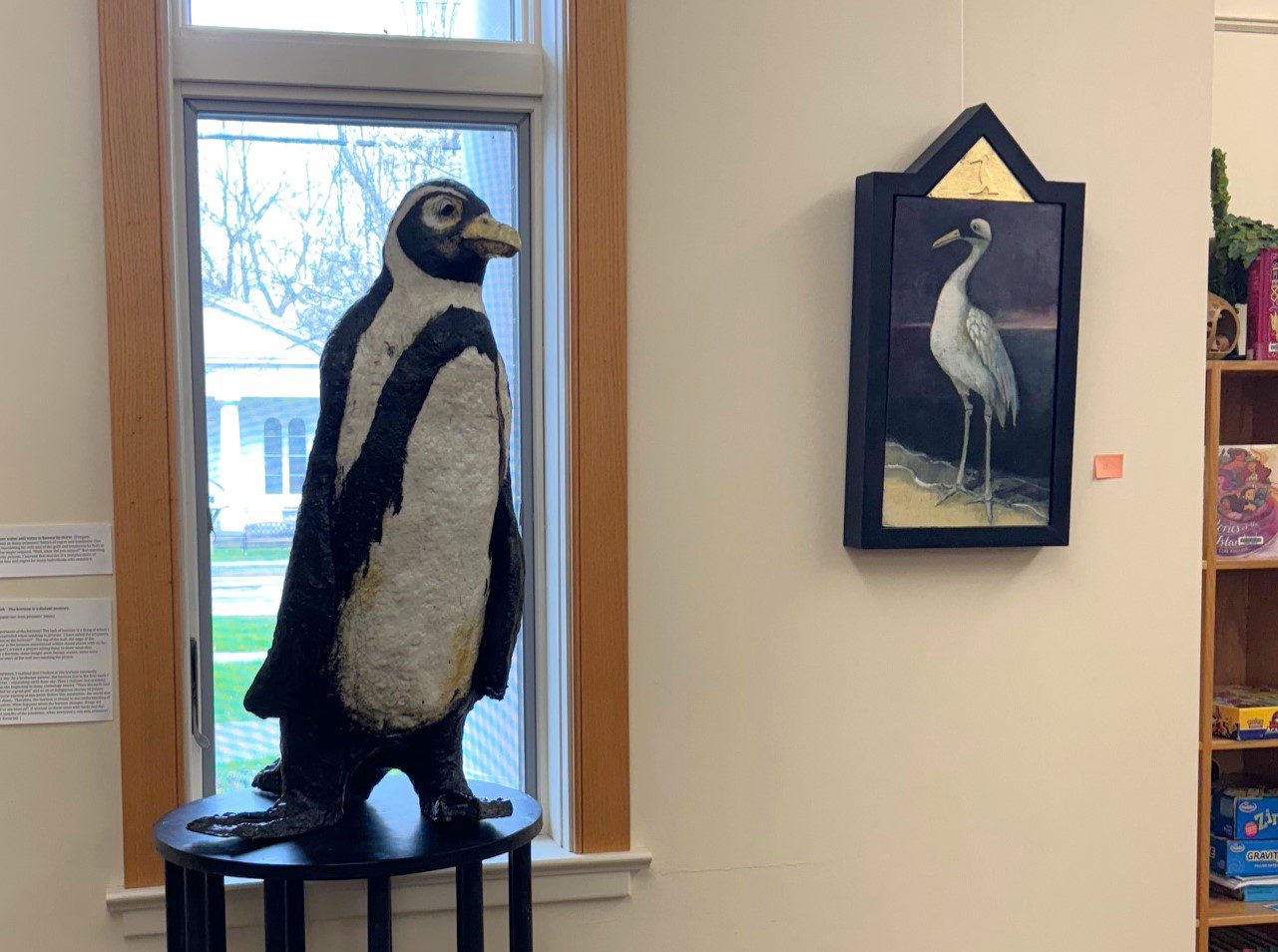
“Crossing the Infinite Reach,” an exhibit from multi talented artist Treacy Ziegler, who calls Tompkins County home, seeks to explore what lies in the space among people and what stands between common understandings.
Ziegler explores this dynamic through imagery from the natural world, using animal sculptures and referencing the fluidity of water to reflect both the seeming moral neutrality of animal existence, with which interactions should perhaps be approached, and the flexibility of thought required to reach an understanding.
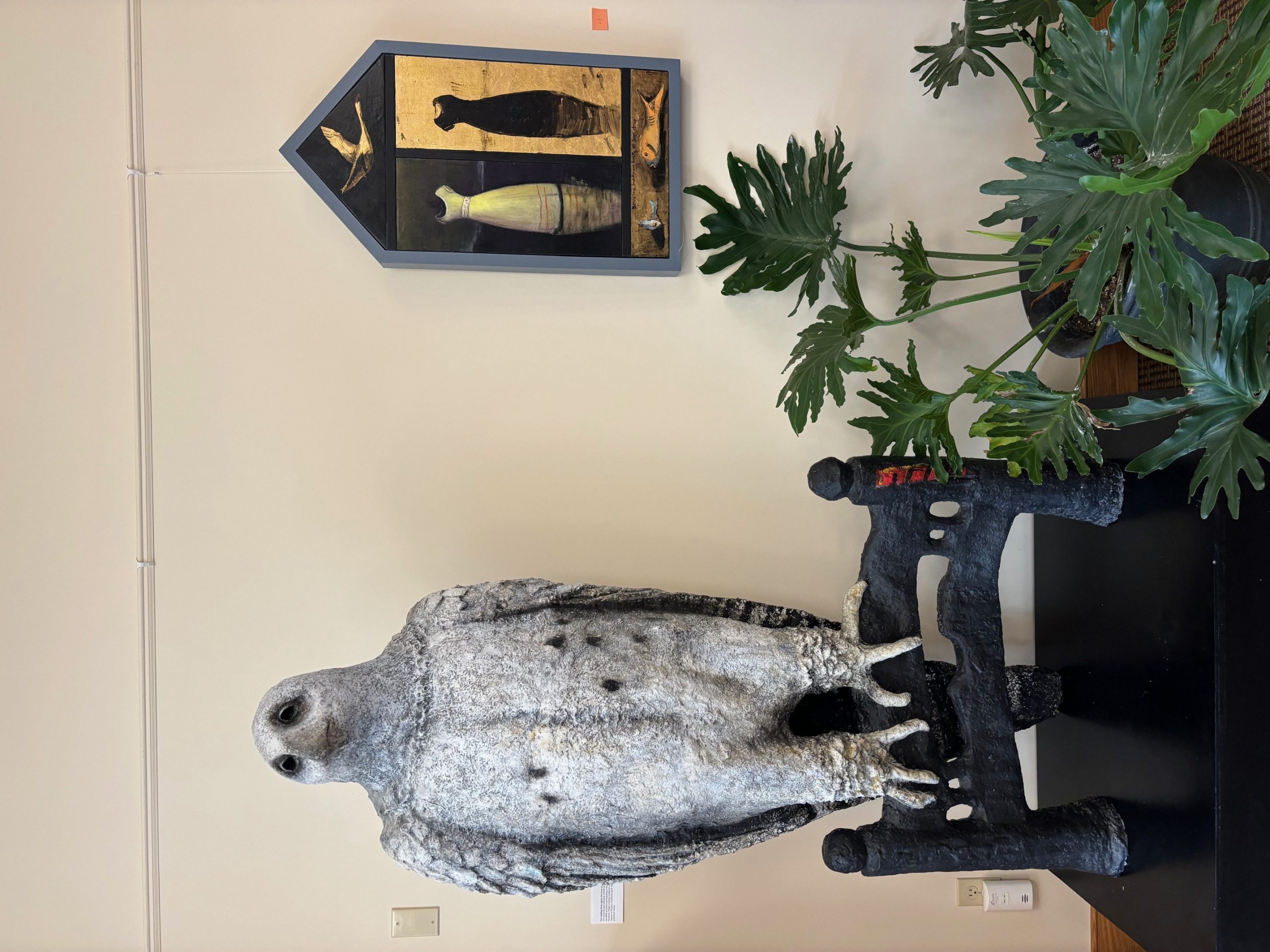
To do so, Ziegler utilizes thousands of recycled letters she receives as the art director of the Prisoner Express program, a project that aims to teach art to incarcerated people across the United States.
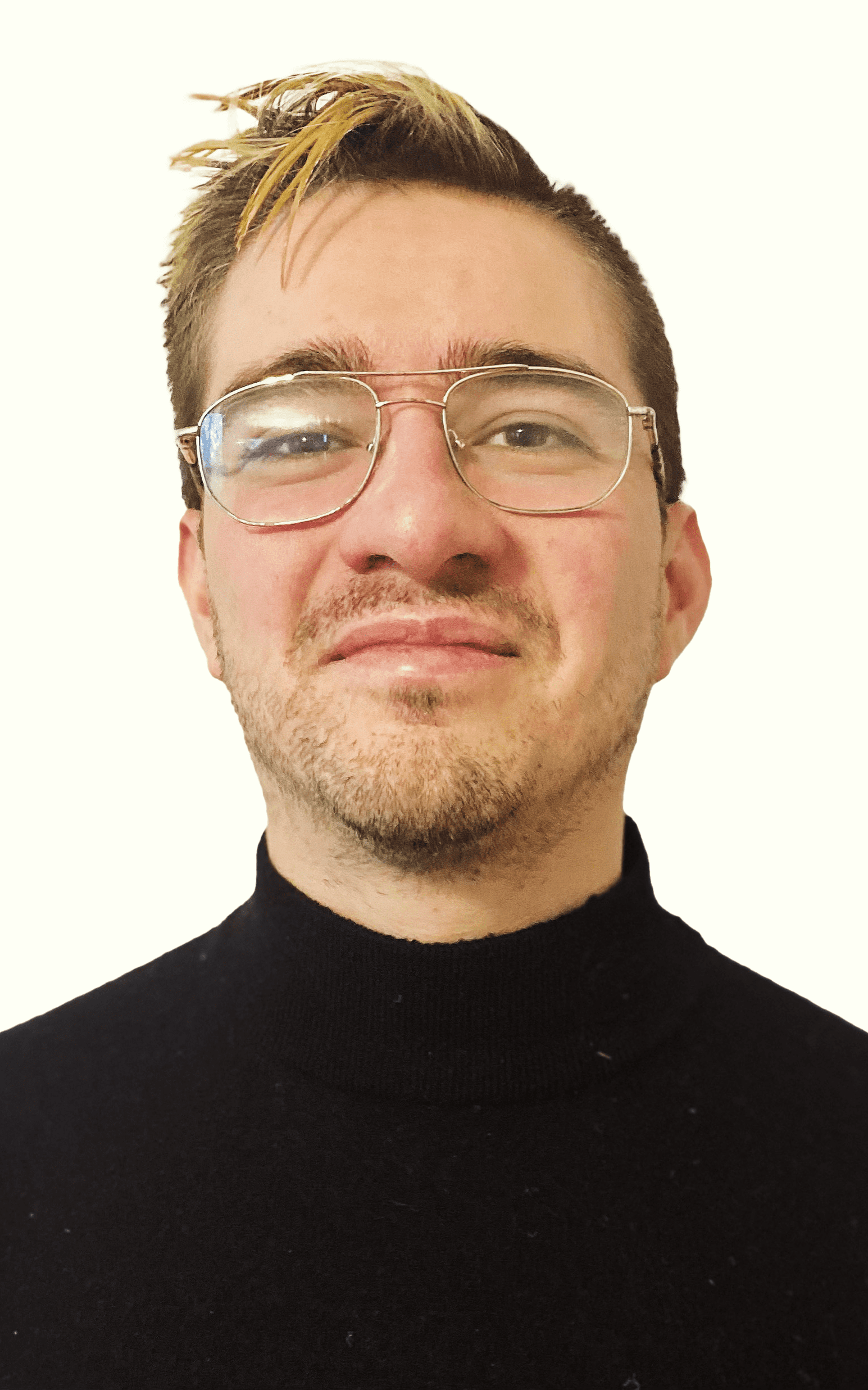
“After the thousands of letters and requests for participation in the project are answered, the letters have been recycled,” reads Ziegler’s artist statement on “Crossing the Infinite Reach.” “It is my hope that these sculptures made from the letters reflect and respect the emotions I read in those prisoners’ letters; the hope, the loneliness, the thankfulness, the isolation, the regret.”
Visitors of the Ulysses Philomathic Library will be able to admire the sculptures and portraits that make up the exhibit until June 29.
Learning about art through instruction
Ziegler has been trying to question who art is for and why for the past 15 years, first on her own and later as part of Prisoner Express. A social worker turned successful gallery artist, Ziegler found herself living in galleries, showcasing her art for the same audiences: a milieu of people for whom their understanding of money and power is largely informed by their proximity to both.
“I realized that a lot of the conversations that you have about art, when you are observing your work, and galleries and museums, are about money and power,” she said. “After a while it gets redundant, so I wanted to find an audience that I can show my artwork to who did not have money and power.”
After a period of discovery and exploration, she wrote to 22 prisons throughout America, hoping to be afforded space to present an art exhibit. Ziegler did not write to the wardens with promises of rehabilitation, nor with the prescription for a soothing leisure activity.
“I didn’t want to present it differently than I would if I was presenting my art at a gallery,” she said.
There Ziegler met rejection. She learned from a letter sent by the warden of a super-maximum security prison in Florida that the prison’s inhabitants would not see the light of day, much less an art exhibit.
“It was a chilling letter,” she said.
Ziegler persisted, and a prison superintendent in Massachusetts with an inkling for art, gave her an in. Her art adorned the prison’s auditorium for some time before it was eventually moved in sections to different cell blocks across the facility.
She then started teaching six-hour workshops in Massachusetts, and later in Ohio. After some time, she landed at the Prisoner Express.
In a decade-plus of teaching art in prisons, what has she learned?
“I can only say that, for me, it has certainly made me understand art in a really different way phenomenologically,” she said. “How do you see the world with the world that you are given?”
The conditions in prisons, Ziegler added, are intense.
“It’s an intense time and space,” she noted.
Despite that, Ziegler says she sees the relationships she makes in prisons, and her relationship with prison as a concept itself, as fruitful. Ziegler doesn’t want her art to cast change into life, nor does she think it should be seen as rehabilitative. Instead, for her, her lessons are a time to share.
“I will share the skills that I learned in art school and in my studio with you, and you get to take them wherever you want to take them,” Ziegler said. “That is something that I learned as a social worker and why I got out of social work, because I did not want to be in the problem-solving business.”
But perhaps, in an exercise of slight contradiction, Ziegler does want to enact change, just not a personal one. Art, she says, is for entire communities. In this case, art can be an example of reckoning and visibility for the concept of prisons.
“You can’t pretend that there’s this 5-foot painting on the wall, you know,” Ziegler said. “It is there, and you have to look at it every day.”
Ulysses Connection appears every week in Tompkins Weekly. Send story ideas to editorial@vizellamedia.com. Contact Eddie Velazquez at edvel37@gmail.com or on X (formerly Twitter) @ezvelazquez.
In brief:
In honor of Mother’s Day, the Ulysses Philomathic Library will host a discussion with local author and Tompkins County Legislator Amanda Jaros Champion on May 15 at 6:30 p.m.
Champion will read from “Labor of Love: A Literary Mama Staff Anthology,” a compilation of essays, poems and stories that explore the depth and breadth of what it means to be a mother, based on the work Champion and other mothers at the journal Literary Mama have contributed over the last 20 years.
Champion will also lead a discussion about writing and motherhood.
Author

Related Articles
AmeriCU proudly connects students with annual scholarship opportunity
AmeriCU scholarship program awards $1,000 to students pursuing college or vocational education. Applications are open through March 15.
Street Beat: What’s one of the best holiday gifts you ever received?
We asked five random people. Here’s what they had to say.
5 things to do in Tompkins County this weekend
Plan your visit and discover what’s happening this weekend.