
Trumansburg schools’ water tests positive for contaminants
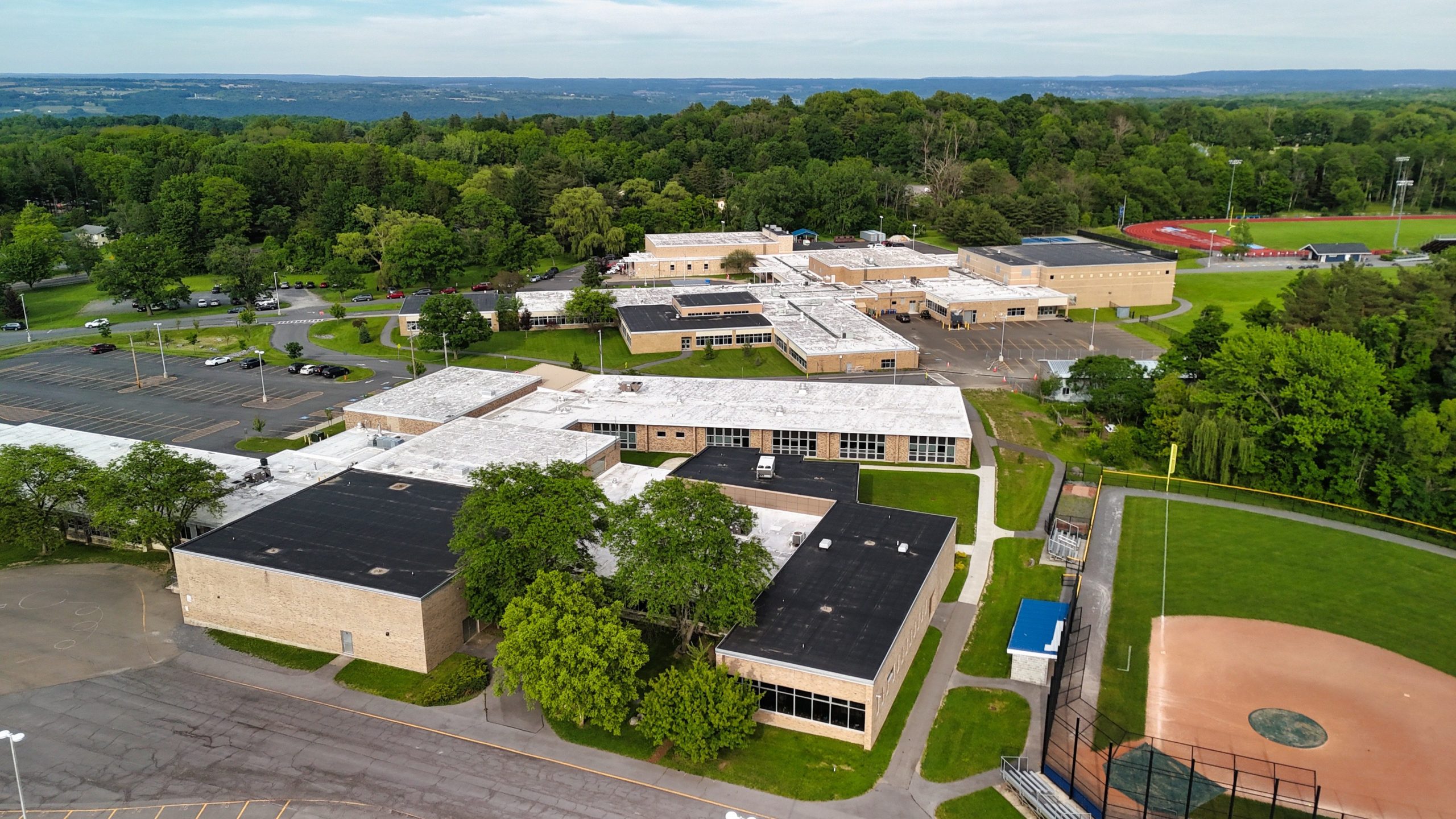
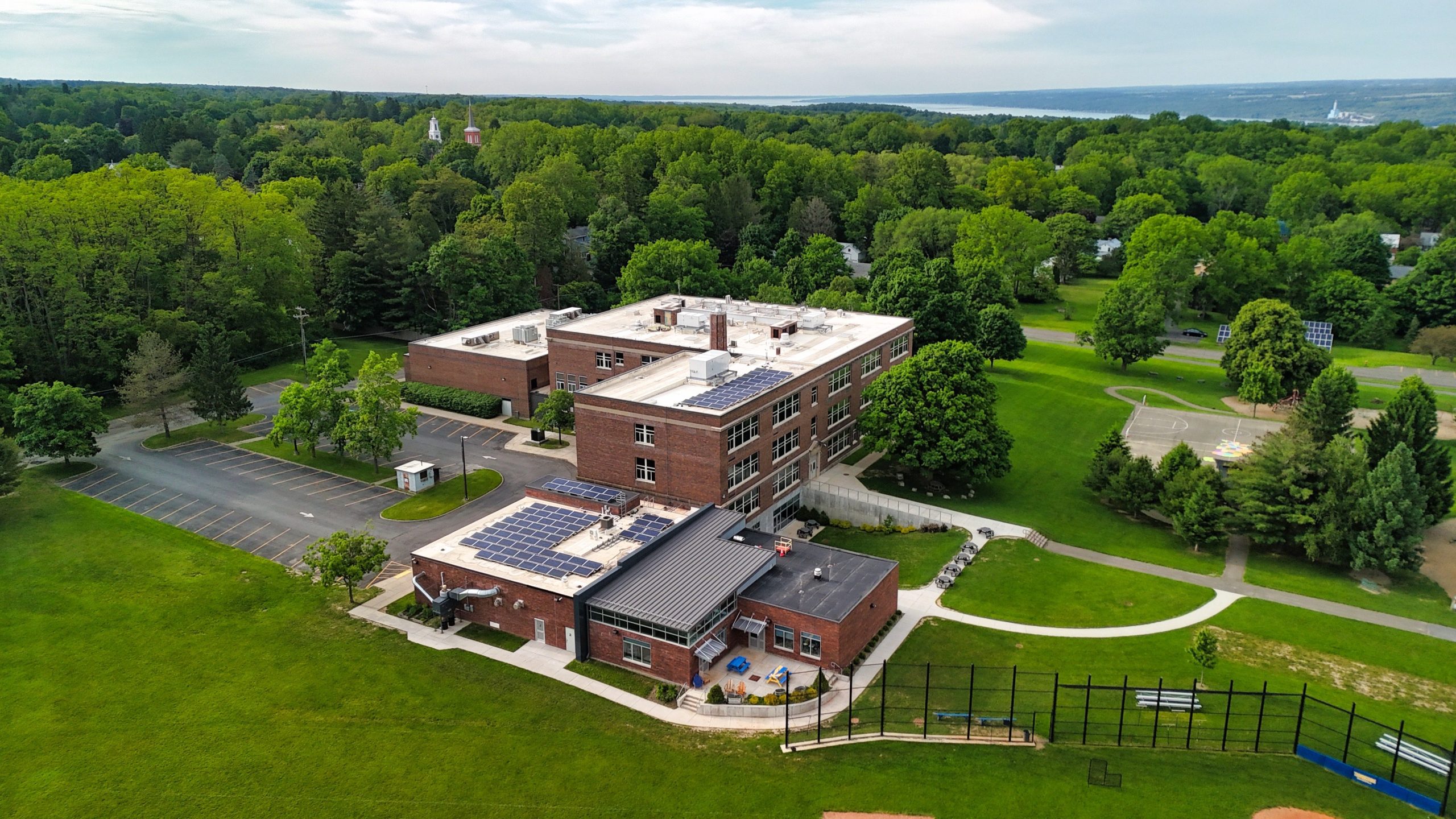
A recent test of water fixtures at Trumansburg Central School District (TCSD) facilities determined that at least seven sinks and/or water fountains contained contaminants higher than the threshold recommended by New York state.
In a communiqué issued by the district’s business administrator and Title IX coordinator, Jon Koeng, and sent to TCSD families May 22, Koeng said that in accordance with New York state regulations, all water fixtures at school facilities were tested in April. The purpose of the test was to determine the presence of lead in potential sources of drinking water.

“Based on that testing, any fixture that tests at levels higher than 5 Parts Per Billion (PPB) for the presence of lead are required to be shut down and retested,” Koeng said. “This is a new, more restrictive standard, recently established by the state.”
With the test results as guidance, district officials shut down the following fixtures pending further testing:
- Trumansburg Elementary School: Four sinks with a water fountain
- Trumansburg Middle School: Two sinks
- Trumansburg High School: One sink with a water fountain
Koeng noted that the test results and ensuing action taken by the district are the result of more stringent state regulations recently implemented. He added that the health and safety office at the Boards of Cooperative Educational Services of the counties of Tompkins, Seneca and Tioga (TST-BOCES) has been monitoring the situation.
“In every case, the fixtures would not have failed under prior standards, but out of an abundance of caution, we have taken immediate action to restrict any use of the fixtures identified by the current testing,” Koeng said.
Koeng referenced a recent change in regulations approved by the New York State Department of Health (NYSDOH) that lowered the action level threshold from 15 ppb to 5 ppb. Additionally, now, inspections will occur every three years instead of every five. Also, water provided to school staff and students in response to drinking water fixtures being shut off due to high levels of lead must be free of charge.
Districts are also required to provide copies of lab reports of the lead testing on their respective websites.
The reports for the fixtures at TCSD buildings can be found here:
All of these revisions were ratified by Gov. Kathy Hochul in late 2021. The last time monitoring guidelines on drinking water changed was in December 2022.
A summary of the regulations can be found here:
https://www.health.ny.gov/environmental/indoors/healthy_schools/docs/NYSSchoolLead.pdf
Koeng told Tompkins Weekly in an email Friday that the district’s response was “fully in compliance with the recommendations of the BOCES team.”
“We defer to their expertise on this type of issue and always follow their guidance and recommendations to ensure the safety of all of our students,” Koeng said.
How can lead in water affect children?
The World Health Organization notes that lead in the body is distributed to the brain, liver, kidneys and bones, affecting said organs. “There is no level of exposure to lead that is known to be without harmful effects,” the organization’s website states.
Lead in water can be particularly damaging. According to the New York State United Teachers (NYSUT) website, lead in drinking water can increase a person’s total lead exposure, particularly the exposure of children under the age of six. The U.S. Environmental Protection Agency estimates that drinking water can make up 20% or more of a person’s total exposure to lead.
Koeng said in the letter sent to parents that the testing process ruled out “any potential systemic issues and the results clearly indicated that any issue is limited to the specific fixtures tested.”
Ulysses Connection appears every week in Tompkins Weekly. Send story ideas to editorial@vizellamedia.com. Contact Eddie Velazquez at edvel37@gmail.com or on X (formerly Twitter) @ezvelazquez.
In brief:
The Trumansburg Food Pantry is organizing a food drive at the Trumansburg Farmers Market on June 5 from 4 to 7 p.m. The pantry requests nonperishable food items and will also accept personal hygiene items, including soaps, shampoos, deodorants and feminine hygiene products.
The market is located on the corner of state Route 96 and 227.
Author

Related Articles
Meinig Fieldhouse built to protect iconic red-tailed hawks
The Meinig Fieldhouse hawks project shows how Cornell protected Big Red and other red-tailed hawks during construction.

TC3 reaches transfer agreement with Hobart and William Smith Colleges
TC3 transfer agreement guarantees acceptance and scholarships for graduates entering bachelor’s degree programs at Hobart and William Smith Colleges.

AmeriCU proudly connects students with annual scholarship opportunity
AmeriCU scholarship program awards $1,000 to students pursuing college or vocational education. Applications are open through March 15.