
Green Party View: Cornell’s panopticon, in defense of genocide
Explore Sriram Parasurama’s critique of Cornell surveillance and genocide, student activism, and university accountability.
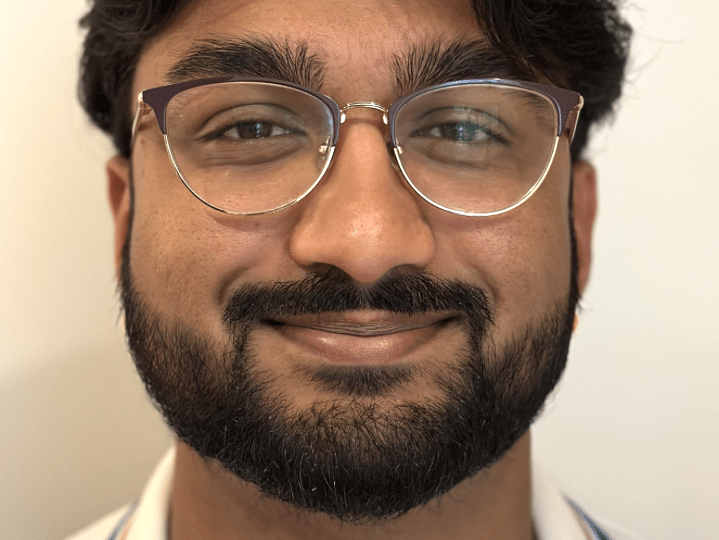
Editor’s note: The opinions expressed in this column are those of author Sriram Parasurama and are not representative of the thoughts or opinions of Tompkins Weekly.
We are undeniably living through Orwellian times; after all, capitalism was never meant to uphold liberty. But like any good academic, I believe universities to be an extension of the surveillance state. It’s a popularly held belief by the right wing that higher education in the United States is a bastion of woke ideology and every institution is a factory for radical leftists (which may be unintentionally true). However, universities are where challenging thoughts and beliefs go to die. Never in my life has my voice been policed so heavily. Every step in opposition to the status quo, a reason for the university administration to call us terrorists, threats, and dangers to public health and safety. At Cornell, the president and other faculty have interfered with a class taught by Prof. Eric Cheyfitz, and another professor was targeted by Zionists for his speech about the acts of resistance on October 7, 2023. Nearly 40 students in the last year have been disciplined in some manner by the school for participation in peaceful protest against the university’s investments in weapons manufacturers. I myself was arrested outside of my home in October, suspended, indefinitely banned from campus, and have been without healthcare and pay until nearly a year later.
Through my court proceedings incited by the university, I learned that the police tracked wifi router pings to cellular devices, pored through body camera and security camera footage, seized belongings for identification purposes, and scanned social media for shreds of evidence that they could indict students with. For now, Cornell has maintained that they do not use facial recognition technology, but it seems to be a question of when, not if. However, chief among these tactics is the reliance on students, staff, and administrators to rat out their peers. That is how Momodou Taal, many members of the Cornell JVP chapter, and countless others were identified and suspended from protests. Many universities are caving to the demands of the Trump administration and both people and technology are being weaponized to control and surveil thought and expression. All in defense of genocide.
Palestine, of course, has long been the testing ground for many of the surveillance and repression tools we are dealing with today in the United States. AI facial recognition technology, arbitrary detentions, and violent policing are all tactics that are frequently exchanged between the American empire and the israeli occupation. Palantir, the company that the Trump administration has contracted to build the database of information on Americans, has been used by the Israeli occupation forces to automate the detection of targets in Gaza, slaughtering thousands. Since 1948, tens of thousands of Palestinians have been unjustly arrested and detained without trial. Children are shot at for throwing rocks at the tanks and bulldozers that destroy their homes. Now, forced starvation threatens the lifeblood of the Palestinian people and culture. It feels as though valuable time is slipping through our fingers.
All this surveillance and repression only exists to protect the profits of the university. Profits earned from genocide and warmongering. What, then, is the solution to fight such a system? As I prepare to resume my graduate studies at Cornell after nearly a year of banishment, I struggle with the deep contradictions between my morals and my actions. To continue to associate with a university complicit in genocide (in many ways) is to re-assert my class privilege and the individualist, self-congratulating, and accolade-seeking attitude that many academics, even leftist ones, revel in. A step towards true, radical action is to not only acknowledge these contradictions but to destroy them. Education should not be predicated upon genocide, it should be free, without barriers to access, and uplifting to the people and planet. Both this goal and the goal of liberating Palestine are in direct opposition to everything the American empire stands for; therefore its dismantling is the only way forward. A lot remains to be done, from mutual aid to learning how to fight, and we will have to make many sacrifices. But it starts with us and it has to start now. Let us be brave, like Anas and all the martyrs, and let us fight till all the walls come crumbling down.
Sriram is a graduate student at Cornell University, organizer, and lover of food and plants who was suspended last fall for his participation in a career fair shut down in protest of Boeing and L3Harris, two genocidal weapons manufacturers who were recruiting students.
Related Articles

World peace – one person at a time
Ithaca peace activism supports nonviolent solutions, nuclear disarmament, and global awareness through weekly corner gatherings.
Green Party View: History’s test is here again
Explore the Green Party immigration policy as history’s test returns. Learn how ordinary people can resist injustice and protect human rights today.
Green Party View: Does this make sense?
Todd Saddler leads the Chase Bank climate protest in Ithaca, highlighting fossil fuel investments and systemic climate issues.