
Local arts leaders celebrate passing of Save Our Stages Act
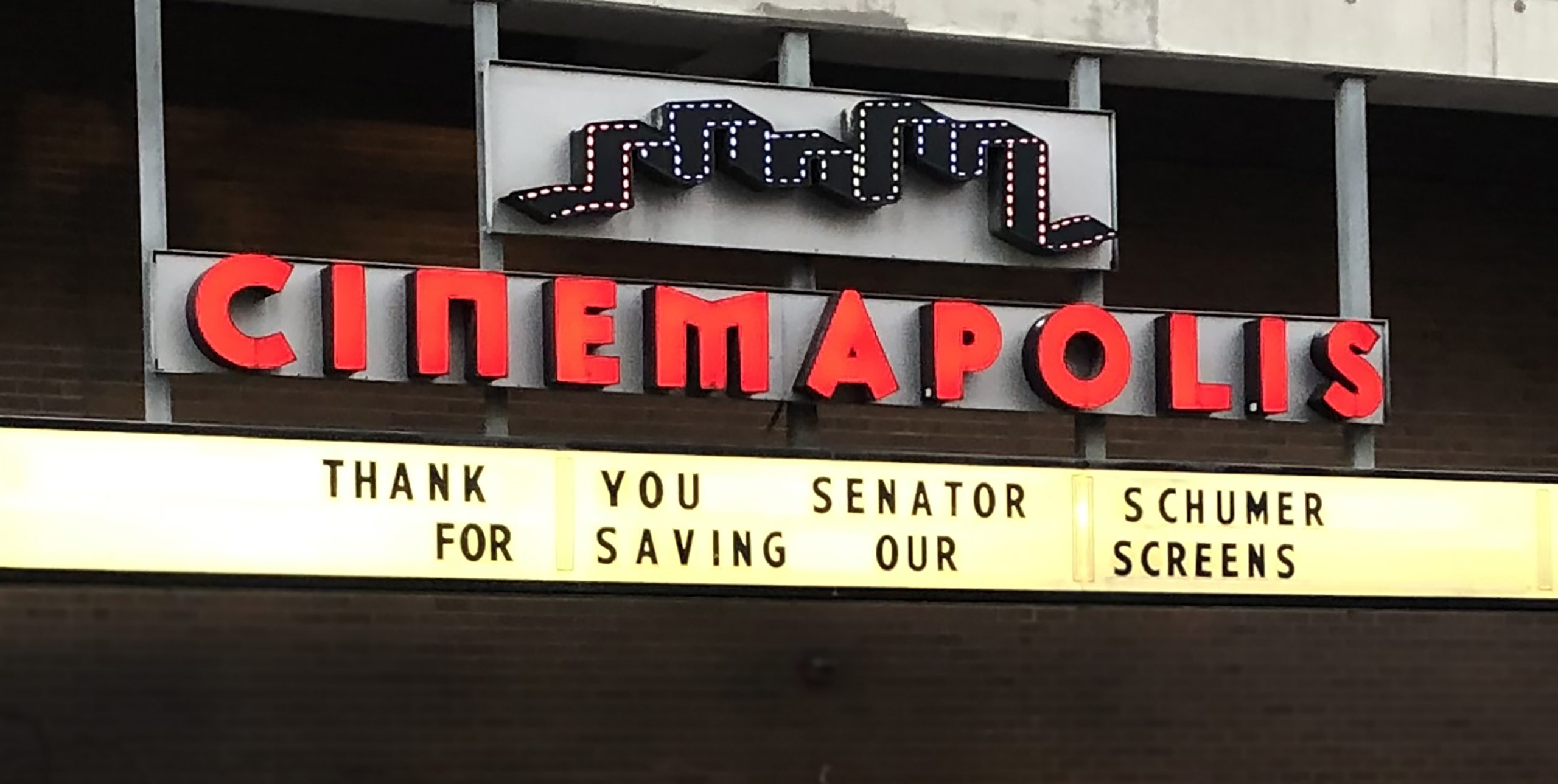
Late last month, it was announced that the recent federal coronavirus relief package signed by President Donald Trump allocates $15 billion to performing arts groups and cultural organizations from the Save Our Stages Act.
The news came after months of advocacy from national organizations like the National Independent Venue Association and local organizations like the State Theatre to include arts funding in the bill.
For local arts groups, the passing of the Save Our Stages Act has brought many sighs of relief, and even though specific details have yet to be released, sources interviewed for this story expressed optimism for how the funds may help the county arts community recover from a devastating 2020.
The stories from many arts leaders during this pandemic have been filled with challenges but also resilience. Without live, in-person performances, most have had to completely adjust their practices to keep the business alive.
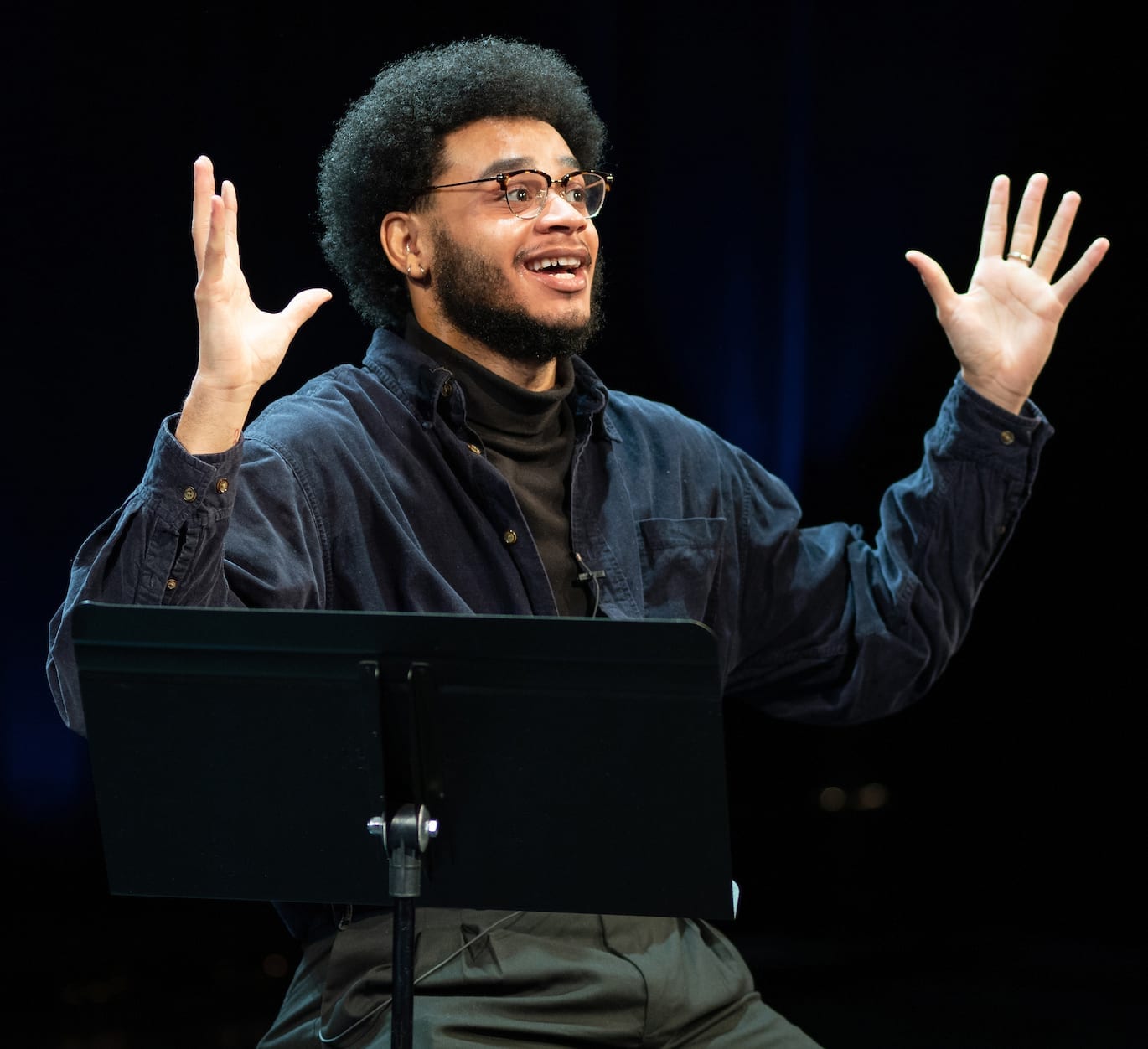
Places like Cinemapolis, the Hangar Theatre and the State Theatre transitioned to offering virtual programming, but as Cinemapolis Executive Director Brett Bossard explained, those are far less lucrative than what most theaters are used to.
“Even with the virtual cinema running, our earned income from some sales of tickets is at about 10% of what it normally would be for April through December,” he said. “Take that into account with the complete loss of concession sales, and that’s a significant drop from what our typical annual revenue is with the theater. So, that’s a huge challenge.”
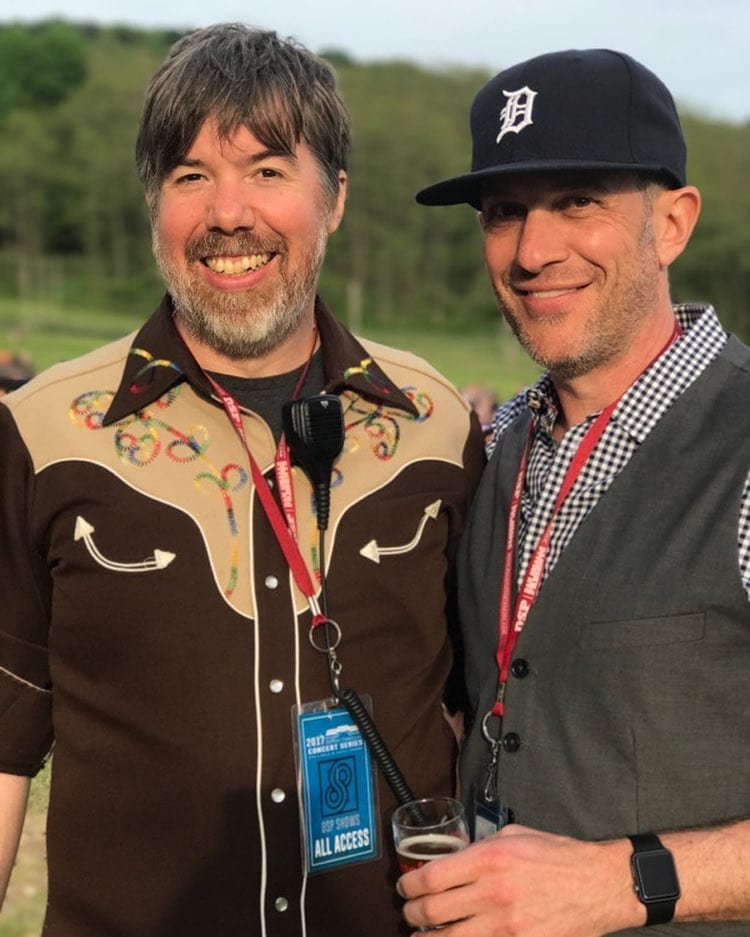
And performance venues aren’t the only ones struggling. Independent promoters are among the hardest hit. As Dan Smalls, owner and founder of DSP Shows, can attest, a lack of live, in-person performances to promote means that he’s had almost no work during the pandemic.
“As the company grew, I saved every dime that we made over the years to be ready to do bigger shows and cover bigger risks and have a bad year eventually where a handful of shows … could lose in the five-figure range and be able to survive that as a company,” he said. “It sucks to have years of savings being dwindled just because you have to pay your bills and get by.”
Some nonprofit organizations have been able to fall back on community donations and memberships, like the Hangar Theatre and State Theatre. At the Hangar, Interim Managing Director Alfred Butler described some of the success he’s seen.
“When we pivoted to a virtual season, we gave subscribers the option to get a refund, to roll their subscription over into 2021 or to count their subscription as a donation,” he said. “The vast majority of our subscribers just said, ‘Keep our subscription money. We’ll subscribe to the virtual season.’”
At the State Theatre, Executive Director Doug Levine celebrated success in the theater’s Save Your Seat campaign, where supporters could pay $100 to sponsor a seat at the theater.

“We were looking at a basically $155,000 shortfall because of the pandemic alone,” Levine said. “We officially sold out every single seat for $100 each. And they’ve raised $160,000 to help us through this difficult time, which is absolutely amazing.”
Even with some successes, though, sources expressed that there have still been plenty of sacrifices and hard decisions, like having to furlough staff or cut staff pay to get by. So, when sources heard that they’d finally receive federal assistance, the news was more than welcome.
“With the president stepping in and saying he wouldn’t sign it, it was just a lot of ups, lots of downs, and there were definitely points where I thought they would remove it from the funding,” Levine said. “But I have to say, Chuck Schumer knows how important theater is. … And I think we have a lot to owe him for making sure that was included in the final bill.”
While sources expressed gratitude for the Save Our Stages Act passing, many also expressed hesitancy, as many of the details have yet to be released.
“What are the guidelines? How much can we get?” Butler said. “It’s not entirely clear, at this point, what the guidelines are, what the size and scope limitations are going to be. … Based on my reading, I think it’s clear that the Hangar would qualify for grant funds. And it’s just a question of what the requirements are, what the limitations are.”
Currently, there are a few known provisions to the funds: $2 billion of the funds are reserved for entities with 50 or fewer full-time employees, the funding — to be awarded in grants — is based on 45% of a recipient’s 2019 gross earned revenue, an organization has to have lost at least 25% of its revenues during the pandemic to qualify, and the money will be specified expenses like payroll costs, rent, utilities and personal protective equipment.
Many sources interviewed for this story were glad to see a significant amount of funds allocated specifically for smaller organizations because that encompasses most of the arts organizations in Tompkins County, as Megan Barber, executive director of Community Arts Partnership (CAP), explained.
“We’ve been working on putting this in front of elected officials and wanting some support, especially for small organizations in smaller towns,” she said. “It’s really part of the lifeblood of the community, and our economic system needs to have these performance venues. … We want these organizations to still be here when we’re able to gather again. And so, I think this is going to go a long way toward making that possible.”
Most sources interviewed for this story said they expect that their organization or business will be able to receive grants under the provisions. As far as where that money will go, sources prioritized staffing first and foremost.
“As of right now, it’s just my partner, John, and I on the payroll, and we paid ourselves as little as possible for last year,” Smalls said. “But as the coffers have decreased by that amount, [the grant] will repay us what we had to pay ourselves to stay alive in 2020. It will cover our salaries through 2021, for us and all of our staff.”
Levine also spoke to how the funding will benefit the State Theatre and other organizations like his.
“This funding will help ensure that a lot of them are not going to go belly up during this very difficult time,” he said. “There’s a lot of organizations that rely on basically ticket sales, [but] there’s been zero ticket sales over the last 10 months. So, this funding should help them stay afloat until it is safe to reopen.”
And the effects of the funding are expected to be far-reaching, helping not just a few organizations but the entire arts industry and the county as a whole, as Barber explained.
“Performance organizations, in some ways, are really anchors for the whole cultural ecosystem of the county,” she said. “They’re these strong centers, and I think that it showcases the county as a cultural destination. … Even for the residents, I think art is always so important for helping us really get to see our common threads as humans and reflect on our situations. And I think we need that more than ever during this pandemic.”
Shirley Serotsky, interim artistic director at the Hangar Theatre, shared that sentiment, expanding on just how dire the situation is for many organizations like hers.
“We have tried to stay very positive, but the reality is that we will see more and more arts organizations going under in the next two years because of the continued fallout of this period of time,” she said. “And I believe very strongly that every community deserves to have local arts organizations that are right there in the community, that serve the community, that are where people from the community perform and create work for other people in the community. … This will allow us to have local arts organizations, period.”
Moving forward, sources said their plans for 2021 and Save Our Stages will largely depend on the progress of the vaccine program and how much financial support they eventually receive. Regardless of either, however, most are planning to continue to provide services in whatever way possible.
At the Hangar, for example, Serotsky said the theater plans to have a 2021 season filled primarily with in-person, outdoor performances, with one possible virtual performance.
“Ultimately, our priority is that our community stays safe and healthy,” she said. “So, we hope to be able to create art, and all of the joy and discovery and wonder and thought that comes with experiencing that art in person, but to do so in a way that is safe.”
For now, sources expressed their gratitude toward community members for helping support them throughout this pandemic.
“It’s been so encouraging to know that we’re valued by this community,” Bossard said. “To be able to stay employed … during all of this has been a gift. And it’s been a gift that this community has given back to us. So, whatever we can do to return the favor when we can reopen is something that I’m really looking forward to doing.”
Related Articles
Cayuga Medical Center nurses to rally, alleging anti-union tactics by hospital management
CMC nurses plan a rally, alleging unsafe staffing and illegal anti-union tactics as the hospital highlights recent patient-safety gains.

Design details unveiled for new Center of Government
Design details for the Tompkins County government building in downtown Ithaca are now public, with a county survey open for feedback.
Holiday traditions bring community cheer
Tompkins County holiday traditions light up homes, farms, and schools with festive cheer and community spirit.