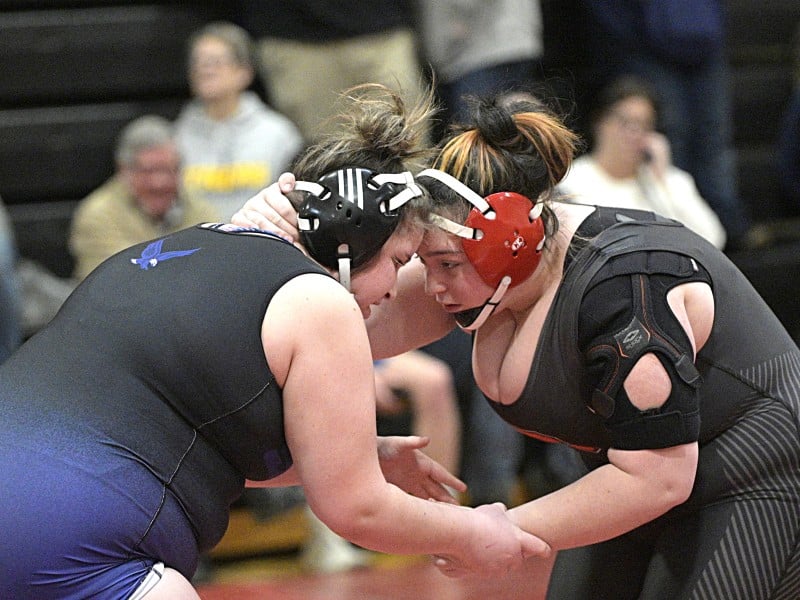
County ready for high-risk sports return

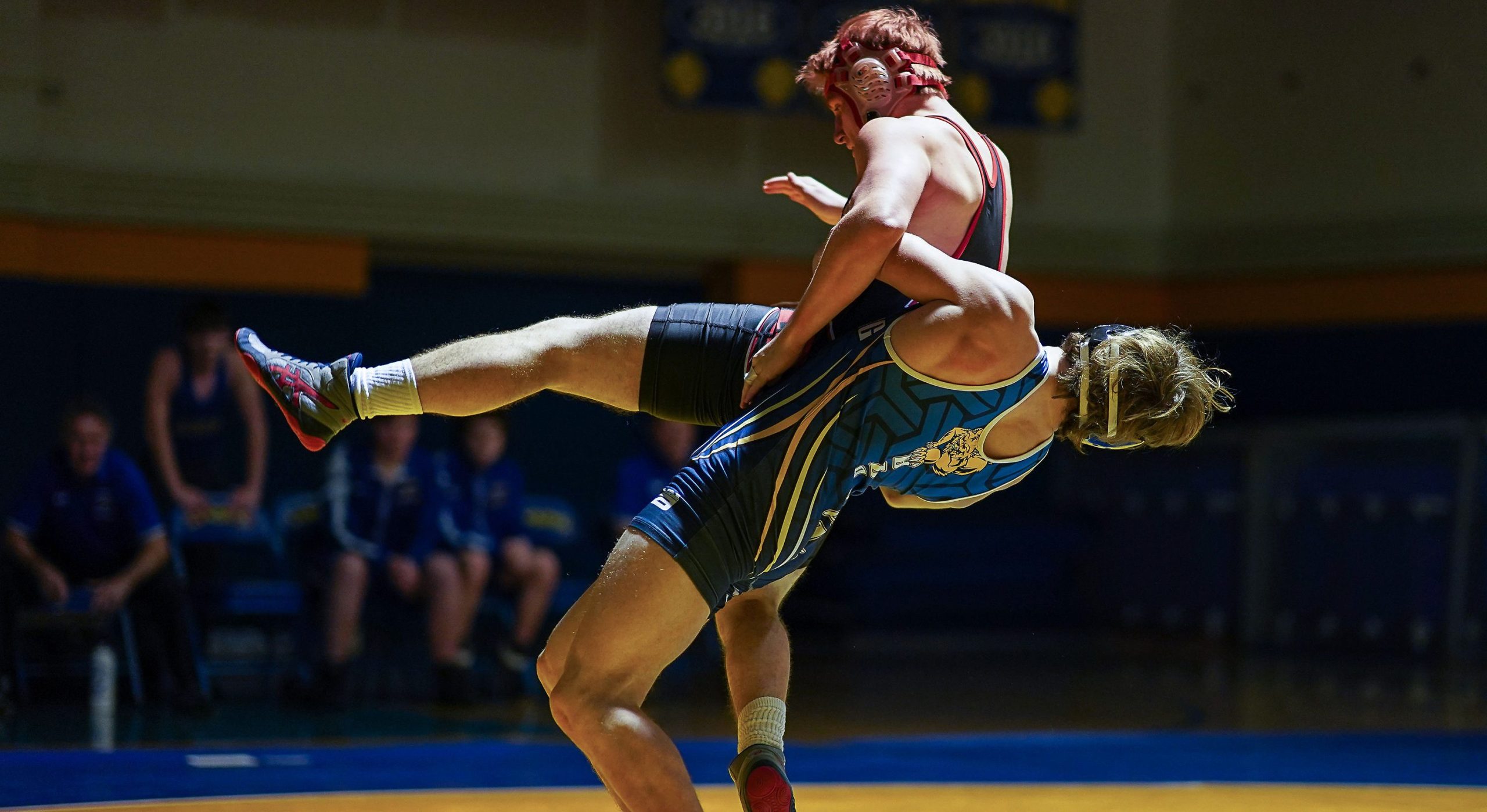
On Friday, Jan. 22, New York state approved the return of high-risk high school sports and left the final decisions for local health departments to make. On the following Wednesday, Jan. 27, Tompkins County gave the green light to high-risk sports and presented guidelines that schools must follow.
The chain of command in this situation went from the state to the local health departments to the athletic conferences. The conferences can only add to the guidelines given by the county, not subtract. For example, Tompkins County approved the attendance of two spectators per athlete at events. However, the Interscholastic Athletic Conference (IAC) is expected to not allow any spectators at indoor competitions.
The guidelines set by Tompkins County include: schools submitting COVID-19 safety plans to the county for approval, required health screenings for all people involved in games, required face coverings during competition unless it is intolerable during the activity and frequent disinfecting of playing surfaces. The sports affected by this currently are football, wrestling, ice hockey, basketball, volleyball, lacrosse and cheerleading.
Tompkins County Public Health Director Frank Kruppa discussed the process of creating the guidelines.
“We first looked at the directive that we were given,” Kruppa said. “I talked with my colleagues in the region, trying to have as close to a consensus on how to approach this as, obviously, county lines only go so far, particularly with sports competition. Ultimately, we had conversations internally about how to manage the risk that’s associated with opening these high-risk sports. That led us to granting the authorization expecting that organizations will follow the state guidance to help us keep the athletes safe.”
The decision to approve high-risk sports was not made in haste but was eased by the start of low-risk sports in January and the guidance that was necessary then.
“The guidelines are pretty well laid out by the state, and they’ve been there for a while for the low- and moderate-risk sports,” Kruppa said. “We’re really just extrapolating those out to the higher-risk sports as well. The data points that we’re looking at from a decision-making process that the state had outlined for us was positivity rate, spread of any of the new variants of the virus, as well as our ability to enforce. We’ve been really fortunate here in Tompkins County in our region that we’ve done really well with disease incidents.”
Prior to January and the approval of high-risk sports, the IAC had been doing plenty of prep work for when the time finally came. The guidelines that had been prepared by the IAC in preparation were utilized by the county during its decision-making process. IAC Executive Director Bill Bryant explained.
“We’ve been working a lot within the league to get ready for this moment,” Bryant said. “We put a guidelines and protocols document together as a lead. We’re dealing with seven different health departments [in the IAC]. But the one thing that I have heard is that the health departments have appreciated the work that our league did in developing this document.”
Kruppa confirmed that statement, citing the athletic conferences, among others, who helped in the creation of the county guidelines.
“We’ve been working very closely with the area superintendents, wanting to make sure we were all on the same page,” Kruppa said. “We reviewed guidance that the IAC and STAC [Southern Tier Athletic Conference] had already been working on that they’re planning to follow. Really, it was all of that input that helped us get to the decision and feel like there was an opportunity to have high-risk sports start up but start up safely.”
One way the IAC is ensuring athletes stay safe is by having five-minute mask breaks during competition, acknowledging that it may be a bit more difficult to compete with a mask on. Bryant added that masks will be required during IAC competition.
For the time being, there will be no athletic tournaments, postseason or otherwise. While this may be disappointing for some, Kruppa explained the decision.
“At this point, we’re saying no tournaments,” Kruppa said. “That was discretion that was given to us locally. It’s really because we want to see how this goes. Tournaments tend to bring a larger number of people together, potentially, from different parts of the region or state all into one setting. If you have a problem in that type of setting, it’s going to be bigger than if you just have two teams competing against each other.”
It has been a long time coming for high-risk sports. With the last competitions happening in the beginning of March 2020, the athletes are ready to finally get back into the swing of things. While the weather has delayed the start of practices this week, competition will begin soon.
Related Articles
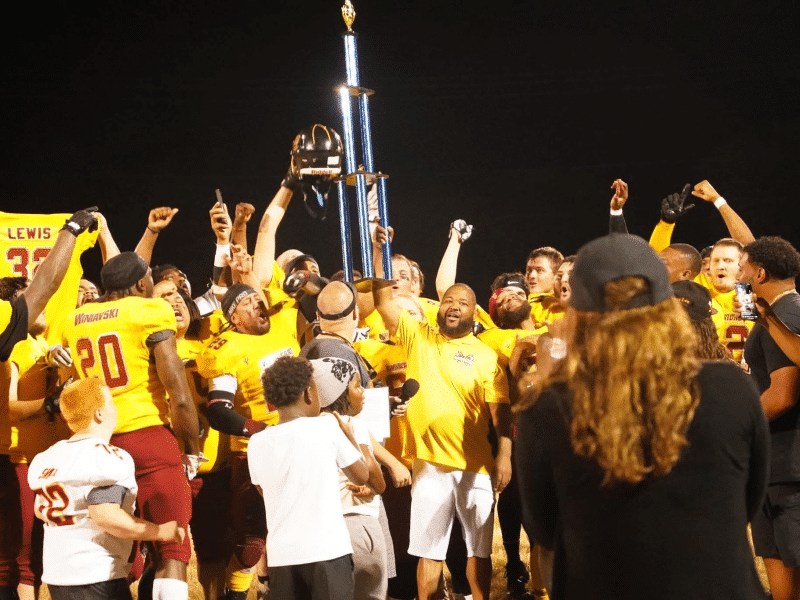
Ithaca Warriors football wins first title since 2018
The Ithaca Warriors football team captured the NFA AA championship, their first title since 2018, after a dramatic playoff run.