K-12 schools adapt to new year after rough 2020
Last year, Tompkins Weekly chronicled the numerous challenges K-12 schools faced throughout the pandemic, from staffing shortages to tightened budgets. Now, over a month into the new year, school administrators have used their experience from 2020 to guide 2021 practices, and those efforts are already paying off. However, it’s still a long road before schools reach normalcy.
Progress
It’s been a few months since we last covered local school districts, and a lot has happened in the time since. Administrators shared that despite any challenges, they’re proud of the progress their schools have made in a relatively short amount of time. Luvelle Brown, superintendent of Ithaca City School District, shared his experience.
“We’ve experienced periodic interruptions to the in-person experience at schools due to the number of students and staff in quarantine,” he said. “From my perspective, we’ve done well considering the shifting health data and guidance. I expected constant shifts and evolving challenges, and that is exactly what we’ve needed to endure.”
At Newfield Central School District, Interim Superintendent Eric Hartz said the biggest development for his district was the launching of more diversity training for staff. The change was initiated by several students who attended Board of Education meetings to report on incidents of racism within the district. The training is currently led by Sharroky Hollie, executive director of The Center for Culturally Responsive Teaching and Learning.
“One thing we really like about Dr. Hollie is it’s all diversity — it’s not just racism,” Hartz said. “So, he talks about cultures, and he talks about poverty and LGBTQ. And so, it works the whole gamut of diversity, which I really, really like. And I think that we have a couple committees at school that are working really diligently at bringing this together. And our board is completely supportive.”
Tina Nilsen-Hodges, founder and principal of New Roots Charter School, said her school has adapted to the new year by making the best out of a bad situation.
“We have hit our stride this school year with the new technologies, rhythms and protocols necessary to ensure a safe and engaging learning experience for students who have chosen hybrid learning, while supporting and engaging our remote learners,” she said. “This is an ongoing challenge, and I’ve been so inspired by the many innovative and creative solutions our teachers and students developed to address emerging issues.”
Challenges
While districts have managed to make do the past few months, it hasn’t been an easy journey. Administrators shared a host of old and new challenges they’ve had to contend with.
For many area districts, the biggest challenge by far was handling COVID-19 exposures or cases among school staff or students. At Dryden Central School District, for example, Superintendent Joshua Bacigalupi said COVID-19 exposures have sent teachers home, which has forced schools to switch to remote for a brief period of time. Still, staff has worked to meet the challenge.
“Shortly after Thanksgiving, the positive cases ticked up pretty quickly, and then as a result, we had so many staff that had to be quarantined, we couldn’t maintain in-person instruction,” he said. “We learned from that. … When we know positive cases have been identified, we’ve used the protocols and our plan, and it’s worked.”
At TST BOCES, Superintendent Jeffrey Matteson said that managing school health and safety while also trying to coordinate vaccinations and keep classes in person has been difficult.
“The new challenges are just the whiplash of communicating at the same time about the COVID-related issues … while we’re also trying to get people into vaccine appointments and knowing that some of that stuff is going to happen during the school day,” he said. “How do we manage that and continue to keep our staffing levels at a point where we can deal with the quarantines and the isolations and the vaccination appointments?”
Staff, parents and students
The past few months have also been full of successes and challenges for staff, parents and students at area districts. For students, a common experience several administrators reported was increasing mental health challenges.
At Dryden, administrators conducted a survey of high schoolers and found that 16 students referred themselves to mental health resources in the district within the past few months, a number significantly above pre-pandemic levels.
“We’re glad that they’re self-identifying, but I think at the same time, it was alarming to see that … kids are really suffering,” Bacigalupi said. “We hear a lot of concern from families, from students and staff, about the mental health component. So supporting kids and staff as people struggled to be connected and we have less going on in school that does keep kids connected.”
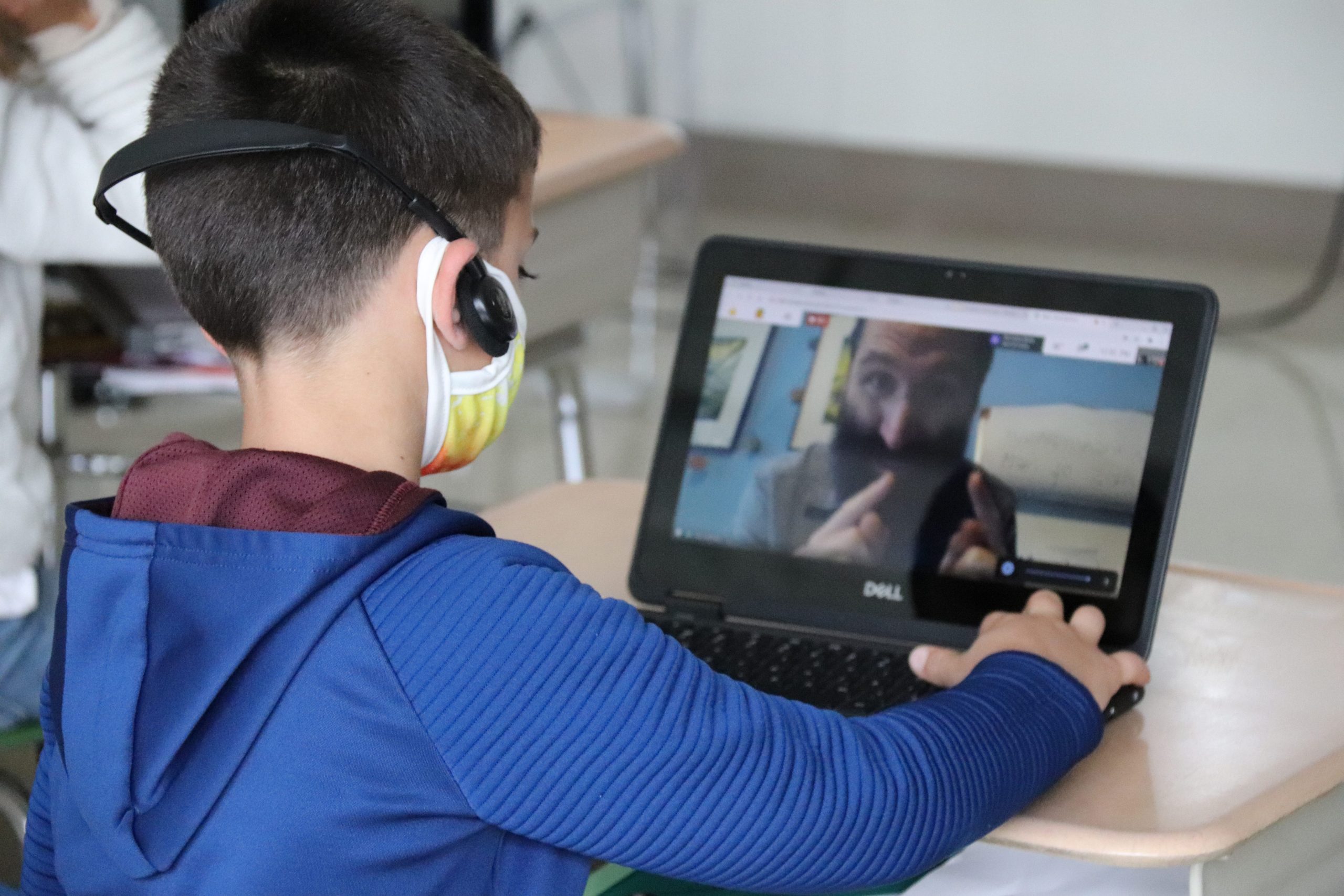
For staff, many have had to manage a constantly changing situation while continuing to provide a valuable educational experience. At Trumansburg Central School District, for example, Superintendent Kimberly Bell reported several challenges, including having to quickly pivot between in-person and remote instruction. The biggest challenge, though, is that teachers haven’t been able to teach the same volume of content.
“As we look at our student performance and lack of student engagement, we recognize an increasing concern about catching students up. We won’t be able to catch up; rather, we need to adjust and rethink our current educational model,” Bell said. “We have provided additional professional development and time to develop lessons. However, it is important to note, the extra time is nowhere near the amount of time needed for them to complete this work.”
As far as parents’ experience, administrators said that many parents expressed difficulty with accommodating remote learning needs. Local parent Christopher DelCollo shared his firsthand experience, which reflects how much in-person learning benefits working parents.
DelCollo’s 7-year-old daughter currently attends a local Montessori school. DelCollo said that in the beginning months of the pandemic, he, like many area parents, was concerned about the health risks and possible exposure.
Thankfully, the latter half of the pandemic went considerably better than the first for DelCollo. The private school recently adopted a new practice to have students attend in-person classes in pods, which means one COVID-19 exposure won’t shut the whole school down. It’s a practice that has helped DelCollo by giving him peace of mind, as well as more free time to manage his two small businesses — The Brain Shoppe and Ancient Wisdom Productions.
“[It] definitely gave me some time to figure out to pay a little more particular attention to cash flow and to buying inventory and what to put out and what sales and promotions to run when,” he said. “On the AWP side, it gave me a little time to dig into some bigger projects, which were really helpful for keeping business afloat.”
Looking ahead
Moving forward, administrators shared their hopes and expectations for the coming months. A common unknown several mentioned was upcoming state testing, including Regents exams. The tests typically require in-person participation, but that won’t be possible for many students, and the state has yet to release concrete policies on how to adapt.
“One challenge that we have turned into an opportunity is the uncertainty of whether Regents exams will be administered in June,” Nilsen-Hodges said. “Our teachers are designing meaningful performance-based assessments to ensure that students have a purposeful goal for developing strong academic skills and knowledge despite the impacts of the pandemic.”
Several administrators also expressed hope toward the county’s continued vaccination efforts and the effects they will have on area districts.
“We need educators vaccinated as soon as possible,” Brown said. “Additionally, we need to have a vaccine available for young people. Our hopes for returning to in-person instruction for the majority of students rests on a successful vaccine rollout.”
In the meantime, sources shared ways that residents can help ensure the next few months are as successful as possible for area districts, including signing up to be a substitute teacher and continuing to follow health and safety guidelines. Bell specifically expressed a big thanks to parents and other community members for their efforts so far and encouraged folks to continue doing what they can to support their schools.
“Every day, I am grateful that even though we are operating in an unprecedented time, we are still standing together committed to providing the best possible outcomes for our students,” Bell said. “Please help us help your child find the joy in learning that will motivate them to engage and commit to their future. Thank you for being our partner in this critical work.”
Related Articles
AmeriCU proudly connects students with annual scholarship opportunity
AmeriCU scholarship program awards $1,000 to students pursuing college or vocational education. Applications are open through March 15.
Trumansburg schools consider regionalization as TST BOCES plan advances
Trumansburg school regionalization remains undecided as TST BOCES outlines goals for shared services and student learning.