
Gyms, fitness centers looking forward to capacity increase

Ever since Collin Lieberman founded Centerline in Ithaca in 2012, he’s worked to grow the business, and by 2019, Centerline was a
well-known community source for fitness and martial arts. While the pandemic undoubtedly threw a wrench into Lieberman’s growth, he and Manager Laura Thomas weren’t going to let COVID-19 derail everything they had built.
“We were closed for one week, and during that time, … we were discussing how we could continue to provide really excellent training opportunities for our members and also keep everybody safe,” Thomas said. “We did a pretty hard pivot. And, within that first week, we already had some recorded class resources that we could send out to everyone while we figured out how we were going to do our online class schedule.”
Centerline, like many gyms and fitness centers throughout the county, was able to reopen for indoor classes in the latter half of 2020, as covered in a previous article by Tompkins Weekly (https://t.ly/Io7L). And later this month, gyms and fitness centers are set to see further relief, as Gov. Andrew Cuomo recently announced that they can open to 50% capacity — versus the current 33% — come May 15 and 100% capacity May 19.
While sources interviewed for this story agreed that the increased capacity will be a benefit to the community, most said that they’re facing far more challenges than capacity increases alone can solve.
Progress
Almost across the board, gyms and fitness centers interviewed for this story reported significant improvements since reopening indoor offerings late last year. For example, Tim Paulson, owner of Pallas Fitness in Ithaca, said that, especially since the start of this year, the business has seen a lot more traffic.
“Morale has been honestly great,” Paulson said. “After being cooped up in their homes and isolation, quarantine, all that, everyone’s just really excited to see, at least eyes, not faces. They’re excited to see their gym buddies again. They’re excited to get coached in person, so the vibe has been really good. People have been really excited to get back in the gym.”
At FLX Fitclub, co-owner Chantelle Farmer has seen similar progress.
“Some people came in inside right away,” she said. “Others have been a little more hesitant. But it’s been gradually starting to pick back up. And now that people are fully vaccinated, we’re starting to see a big surge of people starting to come back. So, lately, things have definitely been picking up.”
Increased vaccinations have also led to improvements for Centerline, as Lieberman explained.
“People we haven’t seen at all in the last month are starting to show up because they’re fully vaccinated and they feel comfortable coming in,” he said. “So, it feels like it’s the tail end of the storm in a way. And it feels like we’re almost at that point of getting back to normal training, which is cool.”
At the YMCA of Ithaca and Tompkins County, CEO Frank Towner said the return of swim lessons and other programs has helped to bring stability.
“January and February were not good financially. We didn’t bring in enough money to sustain our organization and were $20,000 behind, and it was very slow,” Towner said. “We did better in March. At the end of the month, we only were $2,000 short.”
Another bright spot for many has been the lessons learned over the past six months, whether about their business or the community. At the YMCA, for example, Towner said that the pandemic gave him the chance to rethink the Y’s structure for both staffing and overall flow of the facilities.
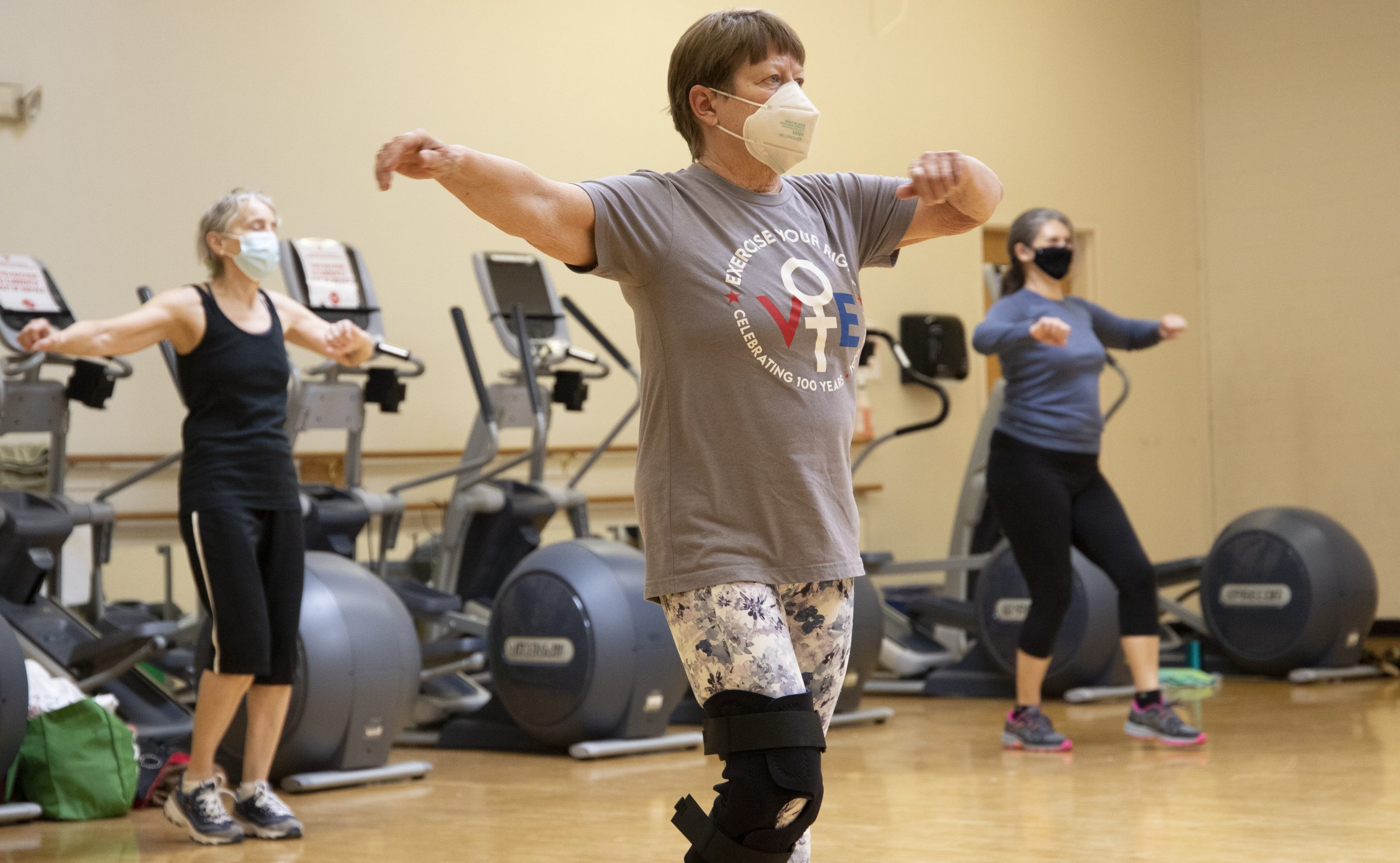
“It’s kind of nice to have [the equipment] spaced out,” he said. “Do we really need all of that equipment crammed into one area? Or do we change the room and we take the equipment and put it in this room because it’s got big windows and it’s kind of nice, and use the cardio room for something else? So it’s really allowed us a chance to look at our space creatively and to work with a leaner staff.”
Travis Barnes, co-owner and founder of Journey 333, also shared how pandemic adjustments are often more efficient than pre-pandemic practices.
“It seems so 2019 now to just share equipment and high five and hug like the way that we used to,” he said. “Now, we’ve become just more sanitary and more organized. In the future, when there’s not the capacity limits, … our biggest sessions will now be more organized because of the way that we have now programmed our routine to where you get your own lane, you get your own equipment and you know where you’re going.”
For Farmer, the pandemic has shown the value of virtual offerings, many of which she plans to continue well past the pandemic.
“People really enjoy being able to do the virtual classes, even if they are coming in person,” she said. “They really like having that option, so that’s something that we’re going to continue doing just as a benefit for people. … It started out as, ‘this is all we have, this is what we’ll do,’ and people like it.”
Thomas said that the virtual offerings have also led to a closer relationship with clients.
“It’s been really nice to be able to connect with so many different people at a time when people are really having to be a little bit more open with themselves than maybe they would normally because they have fears or concerns or things that they want to talk about,” she said. “And so, I think it’s really enabled us to connect more deeply more quickly with people that are coming into the studio.”
Increased capacity versus continuing challenges
Most sources said that, later this month, they do plan to take full advantage of the capacity increases, bringing in more people for indoor activities. Lieberman doesn’t expect to see a ton of changes for his business later this month — due to the martial arts classes giving Centerline a different classification than other fitness centers — but he is grateful for the governor’s decision all the same.
“We’re excited for the general move in that direction and for some of the other gyms in the community to start to be able to open up closer to their capacity,” he said. “It’s just good for the community in general to have more health and fitness resources available.”
Farmer said she expects to increase indoor offerings, especially once the 100% capacity hits May 19.
“It was really surprising to have the additional capacity increase happen so soon after the first one,” she said. “We are still planning to increase our class sizes gradually, but it is great to know that we have the freedom to go back to 100% capacity when we are ready. We are hoping the state will also re-evaluate the original requirements that were issued for fitness facilities. There is a long list of protocols we have been required to follow, and some of those protocols might no longer be necessary.”
Though most support the measure, as Farmer alluded to, sources said the upcoming capacity increases
aren’t the end-all solution. While capacity limits are one hurdle for many business owners, the largest problem sources reported was best summed up by Barnes.
“The big thing that we still have to overcome is the fear pandemic,” he said. “Part of the difficulty really began when our government said that it wasn’t a good idea for people to go to gyms, and that information still stays out there. And it turned out to be misinformation. They came back out and they said ‘Oh, there’s only a .06% transmission rate at gyms, so they’re actually pretty safe.’”
Logan Peters, soon-to-be owner of Journey 333’s Ithaca location, said that that fear has meant that Journey can’t do nearly as much in-person marketing, like visits to businesses, which makes bringing in new customers difficult.
“You can’t even come in and spread the word about Journey without having an appointment,” Peters said. “So, there’s definitely that fear still out there, which is more of a roadblock, I think, in Ithaca. You have a very left-sided city, very cautious city, which is fine, … but, also, I feel like they’re more health-conscious. And they’re also a little bit more fearful of getting into the workout and being close to people.”
Looking ahead
Since the capacity increases will likely only marginally help affected businesses, many sources said more is needed to help them recover. Some pointed to the Gym Mitigation and Survival Act of 2021 (GYMS Act), a bill currently being discussed in the U.S. Congress that would establish a grant program to provide economic support to eligible fitness facilities in response to COVID-19.
Paulson said that as more restrictions across the state are lifted, that will have a positive domino effect on the fitness industry.
“The more that society as a whole opens up, I think that’s going to obviously raise all boats,” he said. “The easing of those restrictions and the encouraging of people to return to their normal activities is probably the most important thing at this point, just so that there’s a nice message from the top down that like, ‘Hey, we’re coming out on the other side of this. And we encourage you to, within your comfort, go back to the things that you love and things that you think are important in your life.’”
Cyndy Barnes, co-owner of Journey 333, said that if gyms and fitness centers are able to recover more, they can play a big role in the county’s overall recovery from the pandemic.
“The fitness industry can play a huge part in helping people kind of get out of the zone that they’ve been in for about a year plus, in making them feel normal again, or better, or whatever you want to classify it as,” she said. “So, I feel that we are really a huge part of people getting through to the other side of this pandemic,
for sure.”
Related Articles
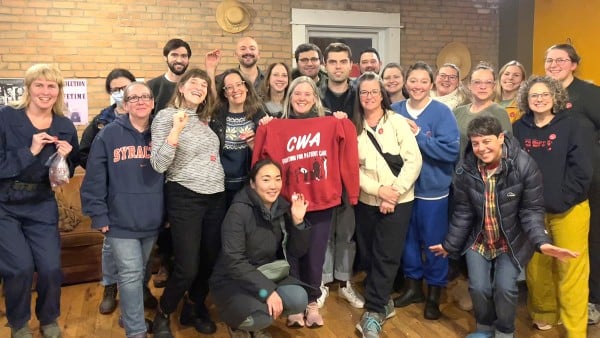
Cayuga Medical Center nurses to rally, alleging anti-union tactics by hospital management
CMC nurses plan a rally, alleging unsafe staffing and illegal anti-union tactics as the hospital highlights recent patient-safety gains.

Dryden Fiber looks back on another year of service
Dryden Fiber reflects on a year of growth as the municipal internet provider expands service across Dryden and Caroline.
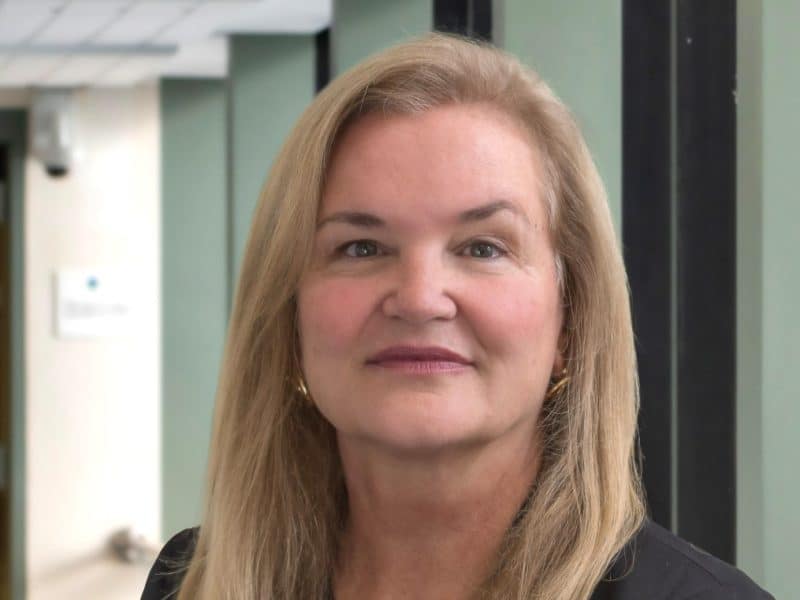
Cayuga Medical Center improves patient safety score
Cayuga Medical Center Leapfrog Grade rises to “B,” showing improved patient safety and nursing care quality.