Advocacy grows for high-risk sports

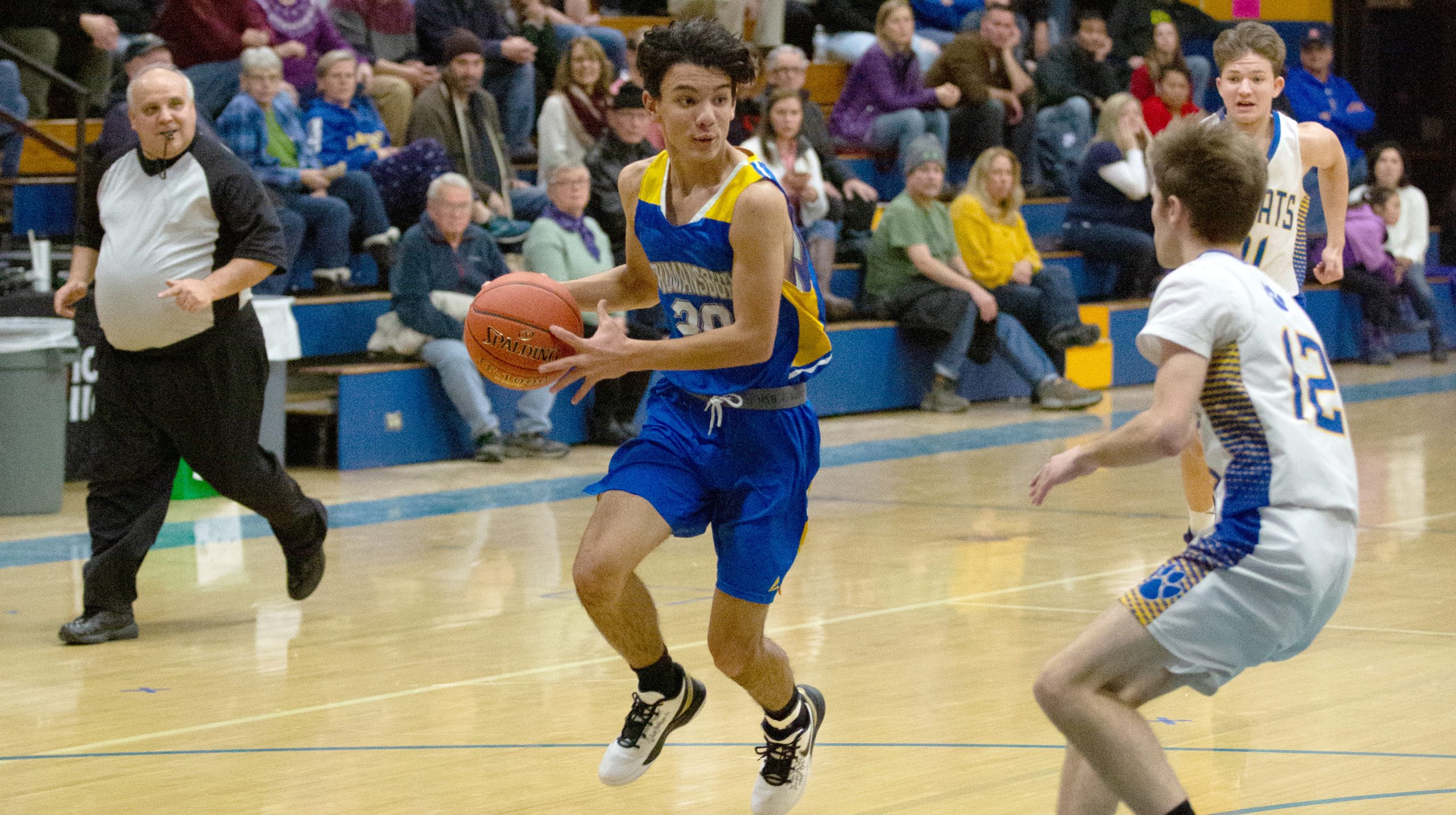
With the current COVID-19 vaccination effort in New York, guidance regarding high school sports is understandably on the back burner. However, New York is one of just seven states in the country that have not set a return date for high-risk sports, and frustration is growing.
This month, the New York State Athletic Administrators Association (NYSAAA), which Interscholastic Athletic Conference (IAC) Executive Director Bill Bryant is a part of, sent a letter to Gov. Andrew Cuomo asking him to permit play for high-risk sports immediately.
Conferences like the IAC have done all the necessary preparation for a high-risk sports season as they await the green light from the state. Protocols are in place and important decisions regarding mask-wearing and crowd attendance have been made, and low-risk sports have returned in Section IV.
Part of NYSAAA’s letter to the governor expresses exactly that and reads as follows:
“As a professional association, we ask for this with the knowledge that those sports are not only safe to run, but will be overseen by Athletic Administrators that have worked tirelessly to develop protocols to deal with the COVID-19 virus should there be an isolated case.”
The letter to the governor also includes New York state data that reports that transmission of COVID-19 among high school students is about 0.46% and transmission from athletics is 1.04%. However, the athletics number is inflated by spectators, which would not be permitted at IAC competition if and when it returns.
NYSAAA also looked at neighboring states. New Jersey, Pennsylvania and Connecticut are all holding high school sports with reportedly little to no issues. In fact, Connecticut had over 28,000 student-athletes compete in the fall, and seven tested positive for COVID-19. That is a transmission rate of 0.03%, whereas the state itself has a transmission rate of 8%.
New York has understandably been patient in the reopening process after being hit hard by COVID-19 in the early onset of the virus in the U.S. With all the downtime to craft protocols, the state’s increased knowledge of the virus and successful examples from both other states and local club sports, NYSAAA believes it’s time to return to play.
As an example on the local level, Dryden club baseball played a full season plus a few extra games late last year and had only one encounter with COVID-19, which occurred after a player traveled out of state. Head coach John Pascarella stated at the time that he hoped the data from his season could be used at the high school level to safely bring back athletics.
Coaches of low-risk sports that are competing locally and high-risk sports that have held limited practices have explained how willing their athletes are when it comes to following protocols. After essentially missing out on a year of competition, the opportunity to play means too much to student-athletes and jumping through necessary hoops to be able to compete safely is more than worth it.
State Senator Tom O’Mara has expressed his support for the safe return of high-risk sports in a letter to the governor.
“These students have invested many years of discipline and training to maintain their physical fitness and to compete on behalf of their school districts and communities,” O’Mara said. “For many, their involvement in sports is a critical part of what has made them attractive candidates for future colleges and scholarships. The continued hiatus puts all of this at risk.”
The New York State Public High School Athletics Association (NYSPHSAA) has implemented a condensed schedule to ensure that fall, winter and spring sports all have a fair chance to play. That schedule began Jan. 4 and is being cut into as high-risk sports are held out of action.
Coaches and administrators at the local level have worked tirelessly to do everything in their power to bring back sports as soon as possible and low-risk sports are benefitting from that effort. If and when the signal is given by New York state that permits high-risk sports, expect a quick turnaround locally to return to play.