
Agriculture committee unveils plan to boost and empower local farming
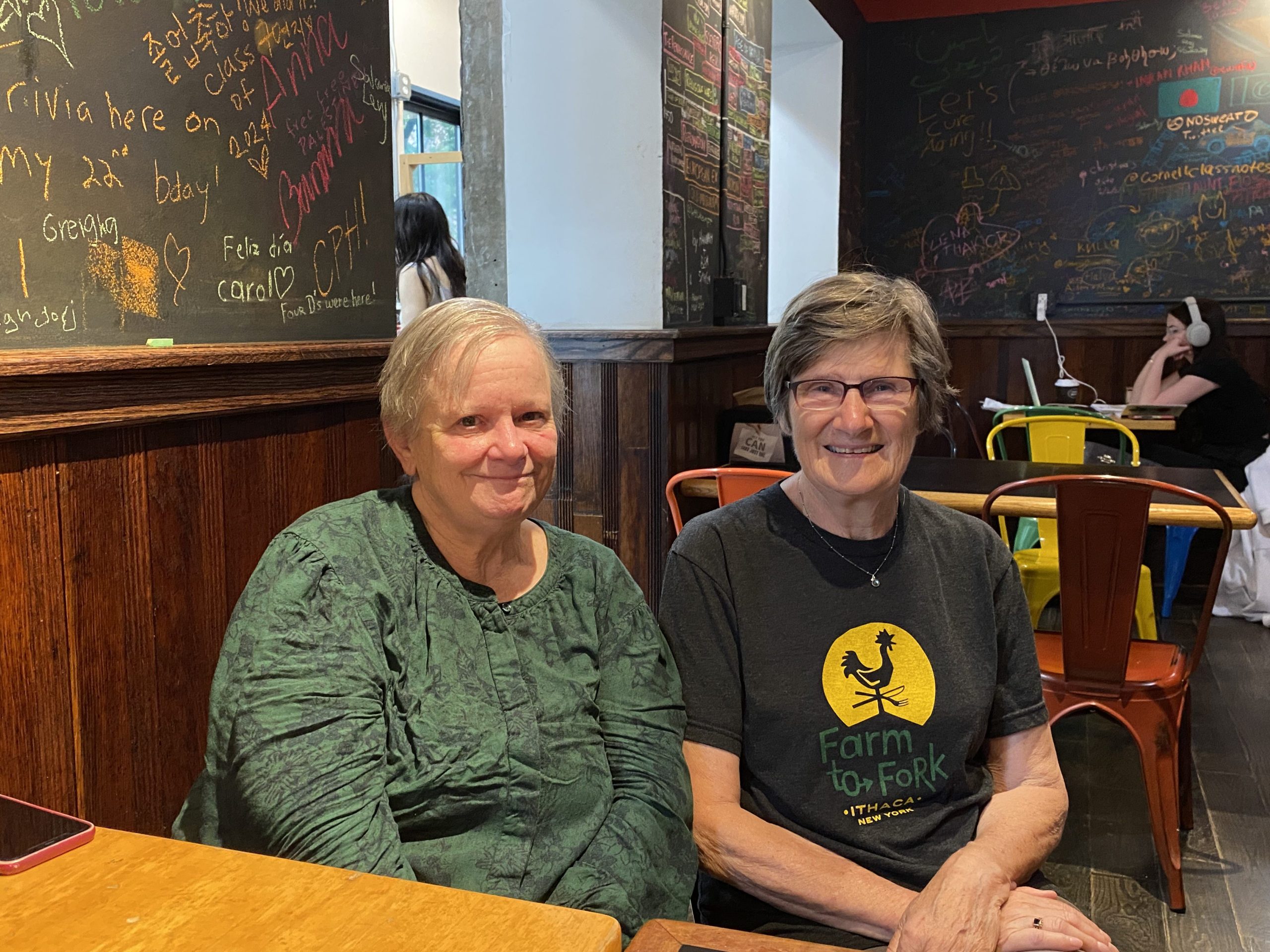
Caroline is embarking on an agriculture plan designed to support and enhance its local farming community. This initiative aims to address pressing agricultural issues while promoting food justice and sustainability.

The agriculture plan is driven by the Caroline Agriculture Advisory Committee, which was formed in 2022 to tackle local farming challenges and advocate for food sovereignty. This committee provides a platform for farmers to voice their concerns and engage with the town government on land use policies.
The committee’s efforts include reducing regulatory burdens for processing and selling local farm products, particularly livestock, and supporting the enhancement of local food production. By focusing on these areas, the committee hopes to create a more favorable environment for both small and large farming operations.
Spearheading the plan is Erica Frenay, chair of the Caroline Agriculture Committee, who played a pivotal role in securing grants for the initiative.
Frenay, who is steward of Shelterbelt Farm with her husband and two children, initiated the Caroline Agriculture Committee and plan but said, “This wouldn’t have happened without Monika.”
Monika Roth, coordinator and facilitator of the Caroline agriculture plan, is an expert in local agriculture with extensive experience, including more than 40 years of experience in the agricultural community.
One of the critical goals of the plan is to maintain and expand agricultural land. Roth highlights a significant transition in land use, where many landowners are now renting their land to farmers. Currently, there is a significant shift where the number of landowners actively farming is roughly equal to those renting their land to farmers. She noted, “This shift presents both opportunities and challenges for preserving farmland, especially as some landowners may live out of town or have their land in trusts.”
Roth’s approach to agriculture in Caroline is notably inclusive.

“We have a broad definition of agriculture, which I think will be unique,” Roth said. “I think, compared to other plans, that we’ve actually opened our definition of what a farm is, everything from being a homesteader, producing food for yourself and maybe your neighbor, to commercial-scale operations.”
This broad perspective aims to support a wide range of farming activities, from small-scale, self-sufficient farming to larger commercial enterprises.
Wilma “Wil” Lawrence, secretary of the Caroline Agriculture Committee, highlighted the importance of community involvement.
“It really will depend on volunteers. It’s all a volunteer effort,” she said. Lawrence points out that engaging the younger generation of farmers is crucial for the plan’s success, as their participation and fresh perspectives are vital for sustainable agricultural development.
Acknowledging the shifting economic dynamics within farming, Lawrence noted the increasing reliance of local farmers on secondary employment outside of farming, a trend well documented in federal and state reports. This economic reality underscores the need for a flexible and supportive approach to farming, enabling agricultural activities to coexist harmoniously with other forms of employment.
Frenay underscores the importance of community engagement.
“There’s so much opportunity, and I know there’s a lot of people with passion, but we just really hope that people will be excited by what they see in the plan and will want to step up and get involved,” Frenay said. “A plan can be beautiful, but it remains a plan until you’ve started implementing it.”
The controversy surrounding zoning laws has made the development of the agriculture plan more challenging due to a lack of trust between some residents and town leadership. Early in the agricultural committee’s process, a survey was sent out to understand local agricultural activities and future visions, but it was met with resistance. Frenay explained, “Things that we thought would be pretty simple, like surveying the agriculture in town, became much more complicated because of the lack of trust created by the controversy around zoning.”
Despite the hurdles, Frenay remains hopeful about rebuilding trust. “It’s always a slow process, getting people from diverse backgrounds and opinions to agree on something,” she said, “but I think it’s worthwhile. Otherwise, what do you do? Just give up and decide it’s us versus them?”
The Town of Caroline’s Agriculture Committee has prioritized several actions for 2024-2025 to bolster local farming. Key initiatives include developing a Farm Community website by the end of 2024 to inform residents about local farms, promote on-farm events and boost agritourism.
Farm Transfer Workshops will be held in late 2024 or early 2025 to help landowners keep land available for farming and transfer it to new operators. The committee will also evaluate farmland protection options, organize an annual Farm Open House starting in fall 2024 to promote agritourism and facilitate farmer-to-farmer networking events to encourage collaboration among local farmers.
Throughout these efforts, the Agriculture Committee will maintain leadership by hosting regular meetings, setting annual plans and updating the agriculture plan every two years.
By fostering community engagement, supporting diverse agricultural practices and addressing economic challenges, the aim of Caroline’s agriculture plan is to create a sustainable future for local farming.
There will be a public information meeting about the Caroline Agriculture Plan on Thursday, June 13, from 7 to 8:30 p.m. at the town hall. There will also be an option to join virtually via Zoom at http://www.townofcaroline.org/meetings.
Related Articles
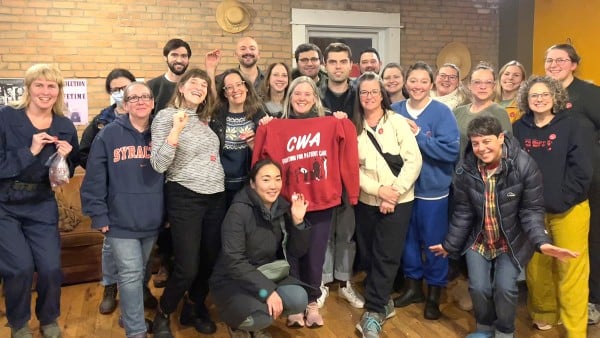
Cayuga Medical Center nurses to rally, alleging anti-union tactics by hospital management
CMC nurses plan a rally, alleging unsafe staffing and illegal anti-union tactics as the hospital highlights recent patient-safety gains.

Dryden Fiber looks back on another year of service
Dryden Fiber reflects on a year of growth as the municipal internet provider expands service across Dryden and Caroline.
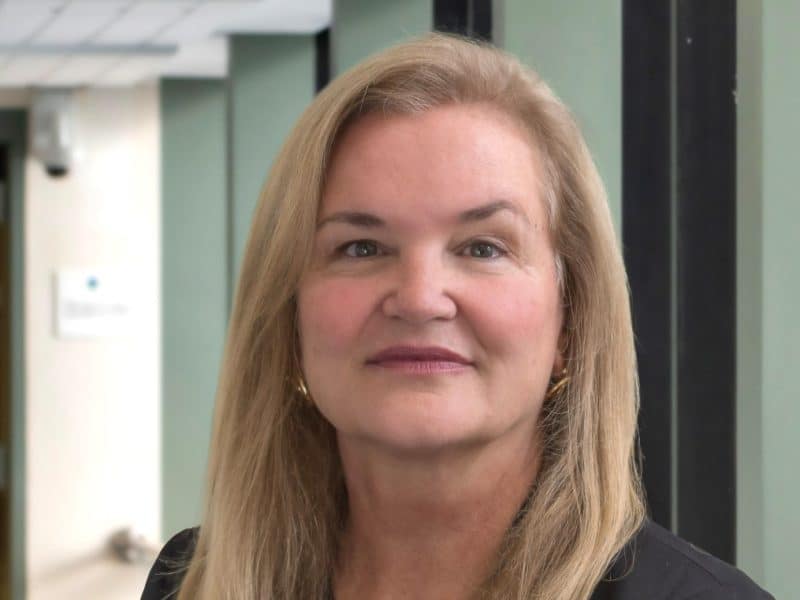
Cayuga Medical Center improves patient safety score
Cayuga Medical Center Leapfrog Grade rises to “B,” showing improved patient safety and nursing care quality.