
Alcohol and Drug Council center open for business, still looking for staff
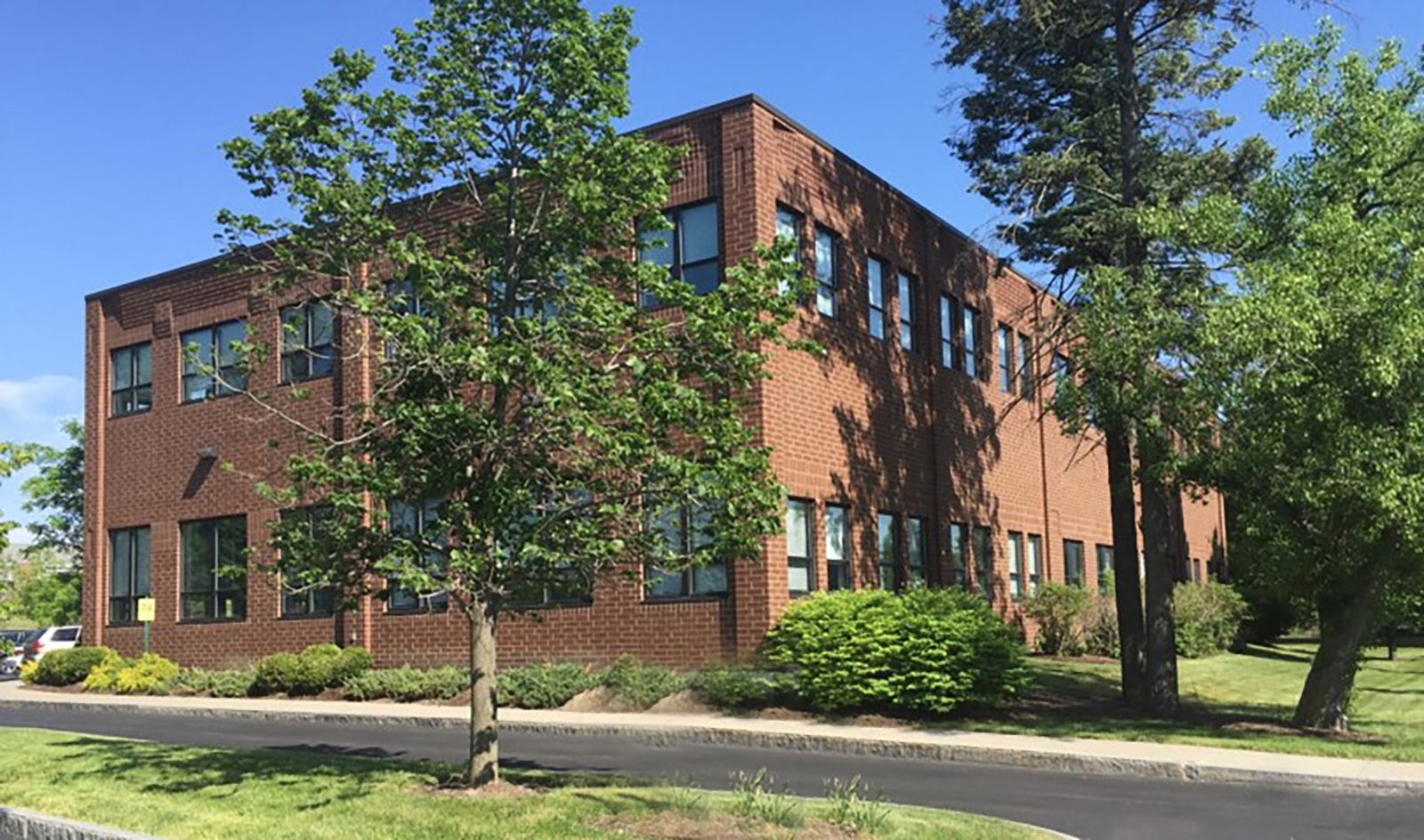
Stabilization services are now available at the detox and stabilization center operated by The Alcohol and Drug Council of Tompkins County’s (ADCTC) in the village of Lansing.
Emily Parker, ADCTC’s director of marketing and development, said stabilization services officially started bringing referrals in mid July. The center, located on North Triphammer Road, has been a years-long project. Once fully operational, it will offer three types of services to residents of nine different counties surrounding Cayuga Lake; open access, detox, and stabilization.
“We are making ongoing progress every day, and we are getting a little closer to our goal,” Parker said.
That goal is to be able to offer inpatient services to at least 40 individuals and to be able to provide information to families and people seeking detox and stabilization services.
“Right now, we’re not able to deal with 24/7 walk-ins as we still continue to staff up,” Parker said. “But people can get a referral from their health care provider if they’re interested in stabilization services. They can meet with their health care provider, and they can give us a call and we can do an admission.”
Stabilization is a residential program, Parker said.
“You effectively live there for anywhere from two weeks to two months. Eventually people will be able to walk in anytime in the night or day and get admitted to detox or stabilization,” she noted. “Right now, we can’t do that because of staffing.”
The shortage of health care workers isn’t exclusive to ADCTC. The American Nurses Association estimated that more registered nurse jobs were available through 2022 than any other profession in the United States, according to an article in the National Library of Medicine. The U.S. Bureau of Labor Statistics projects that more than 275,000 additional nurses will be needed from 2020 to 2030.
Despite that, the ADCTC is relieved that their most important program is up and running, Parker added.
“We care very much that their experience is high quality,” she said. “But with hiring, it is a well-known conundrum that the healthcare industry is dealing with right now. Staff is very valuable, so we are working on it.”
Parker said they are hoping to bring more registered nurses with every passing week.
“Because we have to have registered nurses on-site, around the clock for the detox program, that is a harder staff recruitment issue.”
But Parker said she remains optimistic about the number of individuals the center will be able to take in as the weeks go by. Right now, the center has six to eight residents.
“Even next week, we’ll increase that number,” Parker said. “It hasn’t even been a month, so we’re still treating the same people that we originally admitted.”
Individuals who have consulted a medical service provider and been referred to the center can be admitted during business hours, Monday through Friday.
“That program is for people who are in a shaky stage of their addiction,” Parker said.” They’re not in a state of emergency where they would seek detox or a visit to the emergency room immediately, but they are also not doing well. They’re not able to reduce their drug or alcohol consumption or abstain from it on their own.”
Individuals in stabilization would receive help in the way of medication, but also future support.
“There’s a lot of programming that helps people deal with triggers of their addiction,” Parker noted. “We also help figure out what their life can look like post-treatment. Do they need housing? Do they need a job? Do they need to attend support meetings?”
The detox and open access programs that are to come have the following functions:
- Open access: provides ample information on treatments.
- Former ADCTC Director Angela Sullivan told Tompkins Weekly earlier this year this is a 24/7, 365-days-a-year service. “This is a walk-in center where people can get information on things like Narcan for fentanyl test strips. People can also get assessments and referrals to other treatments or referrals to our treatment. That can include family or friends who want to access a Narcan kit because they know their friend is using it,” Sullivan said.
- Detox: entails removing alcohol and drugs from the body through medically supervised withdrawal.
- Sullivan said the detox is a combination of medication, nutrition, and counseling. “So, we try to get people as comfortable as possible with withdrawal, helping them through those symptoms of withdrawal,” Sullivan added.
Lansing at Large appears every week in Tompkins Weekly. Send story ideas to editorial@vizellamedia.com. Contact Eddie Velazquez at edvel37@gmail.com or on Twitter @ezvelazquez.
In brief
The Music in the Park concert series at Myers Park continues Thursday, Aug. 17, as Binghamton-based 5th Gear Overdrive takes the stage. The band bills itself as a “Top 40 classic rock cover band.” They play hits from the ‘70s and ‘80s, rocking covers from artists like Tom Petty, Billy Joel, Led Zeppelin, The Doors, and more. The concert starts at 6:30 p.m.
Author

Related Articles

Local representatives push HEAP as winter nears
Lansing HEAP program applications are now open, helping low-income households cover heating costs and access energy assistance this winter.
Lansing’s $17M capital project advances amid construction challenges
Lansing Central School’s $17M BOBCAT capital project upgrades schools, athletic facilities, HVAC, and infrastructure.