
Ana Maria Arroyo: Rehabbing and respecting wildlife
While many of us see summer as a time to take a deep breath and get a break from the hustle and bustle that fills the rest of the year, for Ana Maria Arroyo, summer means go time.
Arroyo runs Hickory Creek Wildlife, and late spring and early summer is her busiest time of year because it is “baby season.”
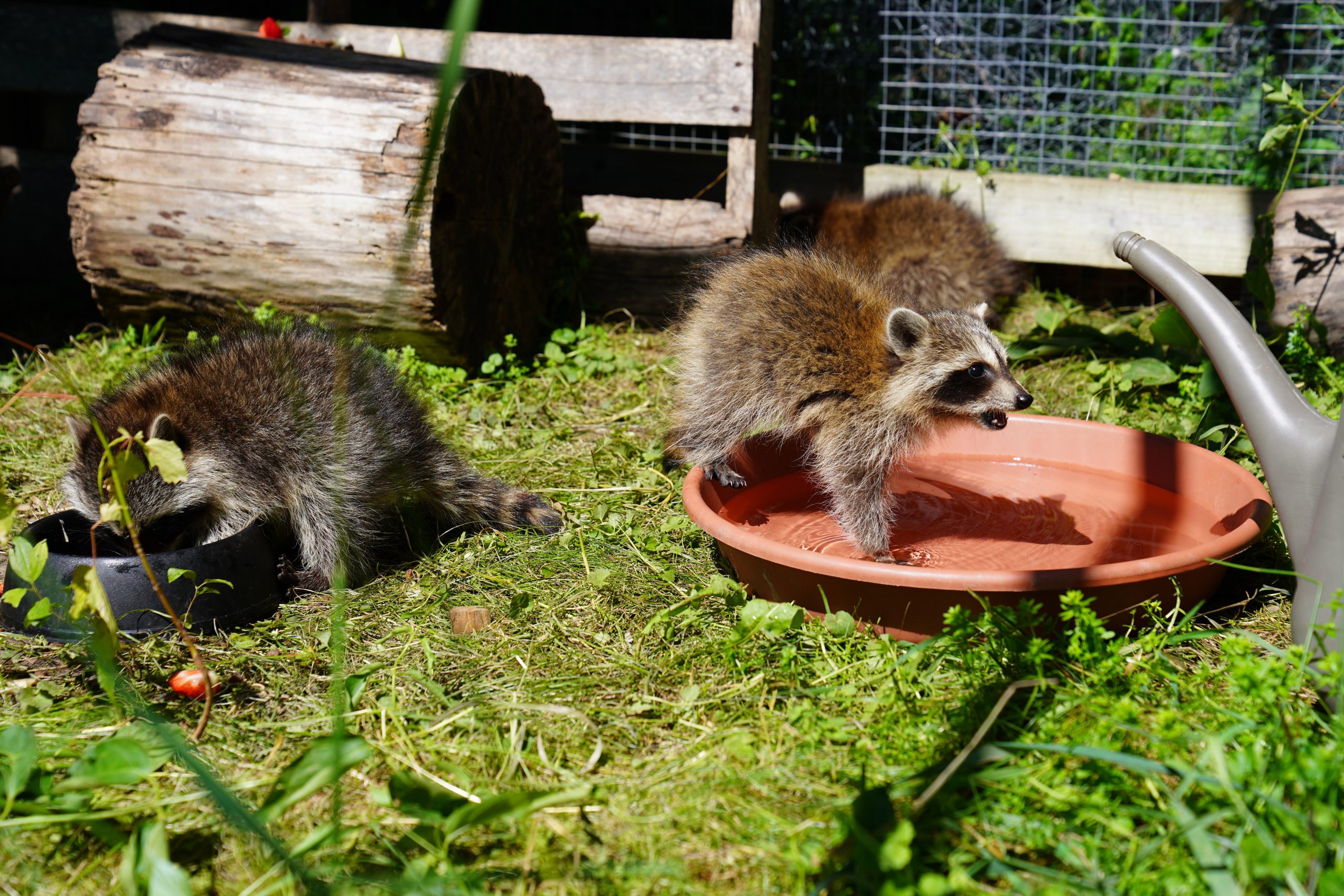
Arroyo has been a licensed rehabber since 2017 and is currently taking care of 15 animals — including seven baby skunks, seven baby raccoons and one snake — so that they can be rereleased into the wild from her home on Cayuga Heights Road in the village of Lansing.
Raccoons, skunks and bats require a special license to rehab as they are rabies vector species, meaning that infected individuals can transmit rabies to humans and other animals. Arroyo has a Class II Rabies Vector Species Wildlife Rehabilitator license through the New York State Department of Environmental Conservation so she can take in these species.
Arroyo is a longtime animal lover, and her interest in wildlife rehabilitation was sparked by watching a British wildlife rehab show.
“I [thought] ‘wow, this is the coolest thing ever, and regular people in England are doing this,’” she said of the show. “So, I Googled it for here and found out what the requirements were, and I was old enough to be licensed. So, I started volunteering with another center to get some training and learn and about a year after that I got licensed independently.”
Though wildlife rehab may sound fun, it is important to remember that the animals wildlife rehabbers work with are in need of help and often injured.
“The animals that you accept are animals that already have a 50-50 chance of survival at best, so you lose a lot,” Arroyo said. “And there’s only so much you can do because you’re getting animals that are already in trouble, so that definitely takes kind of a toll on you.”
This fall, Arroyo will begin her senior year at Ithaca College, where she is an environmental studies major. When not rehabbing wildlife, she keeps busy on campus as the head beekeeper and as a teaching assistant in wildlife tracking courses, and at home, taking care of her 4-month-old chocolate lab.
“And the rest of my time is spent wrangling the puppy,” she said. “I like to read and I love to do art, but I don’t have as much time for that right now.”
At the moment, Arroyo pays for all of the needed supplies and food for the animals out of pocket.
“That’s just what I choose to do with the money that I earn,” she said. “And I’m really lucky in that I can live with my family, and so, that helps relieve some of the costs of regular life. But otherwise, I’m trying to get certified as a nonprofit so that I can actually fundraise and make it sustainable for a longer term because it is really expensive, and I didn’t know that when I started.”
When asked about her favorite species to work with, Arroyo replied, “I love my raccoons. I think skunks are pretty much the cutest animal there is; they’re pretty much a dog. They’re pretty adorable. I love weasels too.”
Earlier this season, she also had two baby squirrels, which she transferred to another rehabber so that she could take in the baby raccoons. Arroyo spoke to the connections among local wildlife rehabbers in Tompkins County.
“We have a pretty great network,” she said. “Not everyone does. But yeah, there’s a woman in Trumansburg [at STAY WILD] who’s arranged a really excellent rehab network, and it’s really wonderful.”
While movies and TV shows, such as “Bambi,” “Tarzan” and “Winnie the Pooh,” feature cute, personified, harmless-seeming animal characters and loving relationships between humans and these creatures, it is important to remember that deer, raccoons, bears, chipmunks, etc. are wild, and only a trained professional knows how to approach and help an injured or abandoned wild animal.
“Don’t touch it and ask for help,” explained Arroyo. “The worst thing you can do is try and move it or try and handle it and it’ll stress them out. And just call someone to ask for help before doing anything with it.”
Baby animals are undeniably dear, and as much as Arroyo cares deeply about the animals she rehabs, one of the most important things is to allow and make sure that they become, or remain, wild.
“The most rewarding part about it is probably getting to see them become wild animals again,” she said. “It sounds counterintuitive, but when they start to hate you, it’s like yes, I did it right.”
Arroyo shared one of her favorite memories of being a rehabber.
“The one that sticks with me is a raccoon I raised last year, who I got as a teeny baby. She was three or four weeks old when I got her. She was little,” Arroyo said. “And they thought she might have head damage or something because she was just crying and falling off of things, and she was just totally scared and disoriented. … And then, three months later, when she was released, she wouldn’t even let me come up to her anymore. And it was just really successful. And that felt good.”
Arroyo emphasized that while interacting with baby raccoons may sound fun, wildlife rehabilitation is done through the Department of Environmental Conservation and only with proper training and licensing.
“I [want] to really stress that it’s something that’s done through New York state, and there’s proper permits in place to make sure it’s done safely because it’s not something that people should be trying to do just out of their homes,” she said.
As for what comes next for Arroyo, she said she hopes to work in environmental education, ideally somewhere where she could work with wildlife.
Arroyo shared some wise words and a reminder that we are not alone on this Earth.
“This is a shared place,” she said. “We share our world with these animals, and the majority of animals we get are in trouble because of people. So, respecting the wildlife is really important. And there’s a lot of ways to do that, and sometimes the best is to just leave them alone. But just keep in mind that it’s a shared space for the animals, and they’re doing their best to live with us, and we should do the same.”
If you have a wildlife emergency, you can contact Arroyo at hickorycreekwildlife@gmail.com or via Hickory Creek Wildlife’s Facebook Page @hickorycreekwildlife. For more information on wildlife rehabilitation or to find a licensed rehabilitator near you, visit dec.ny.gov/animals/83977.html.
Related Articles
Dryden Fiber looks back on another year of service
Dryden Fiber reflects on a year of growth as the municipal internet provider expands service across Dryden and Caroline.
Cayuga Medical Center improves patient safety score
Cayuga Medical Center Leapfrog Grade rises to “B,” showing improved patient safety and nursing care quality.
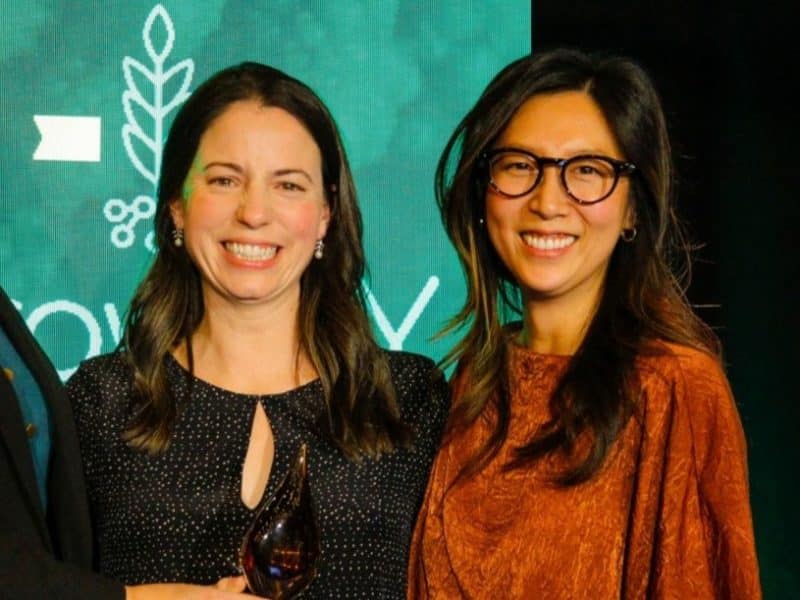
Local startup Seen Nutrition wins $500,000 prize in GROW-NY competition
Seen Nutrition wins $500,000 in the GROW-NY prize to expand sales, marketing, and global reach of its bone health product.