
Asempe Kitchen shares West African food and culture with Ithaca community

When Chef Kuukua Yomekpe was growing up in Ghana, her grandmother used to call her nosey, or ‘epe asem’, always poking into “grown folks’ business.”
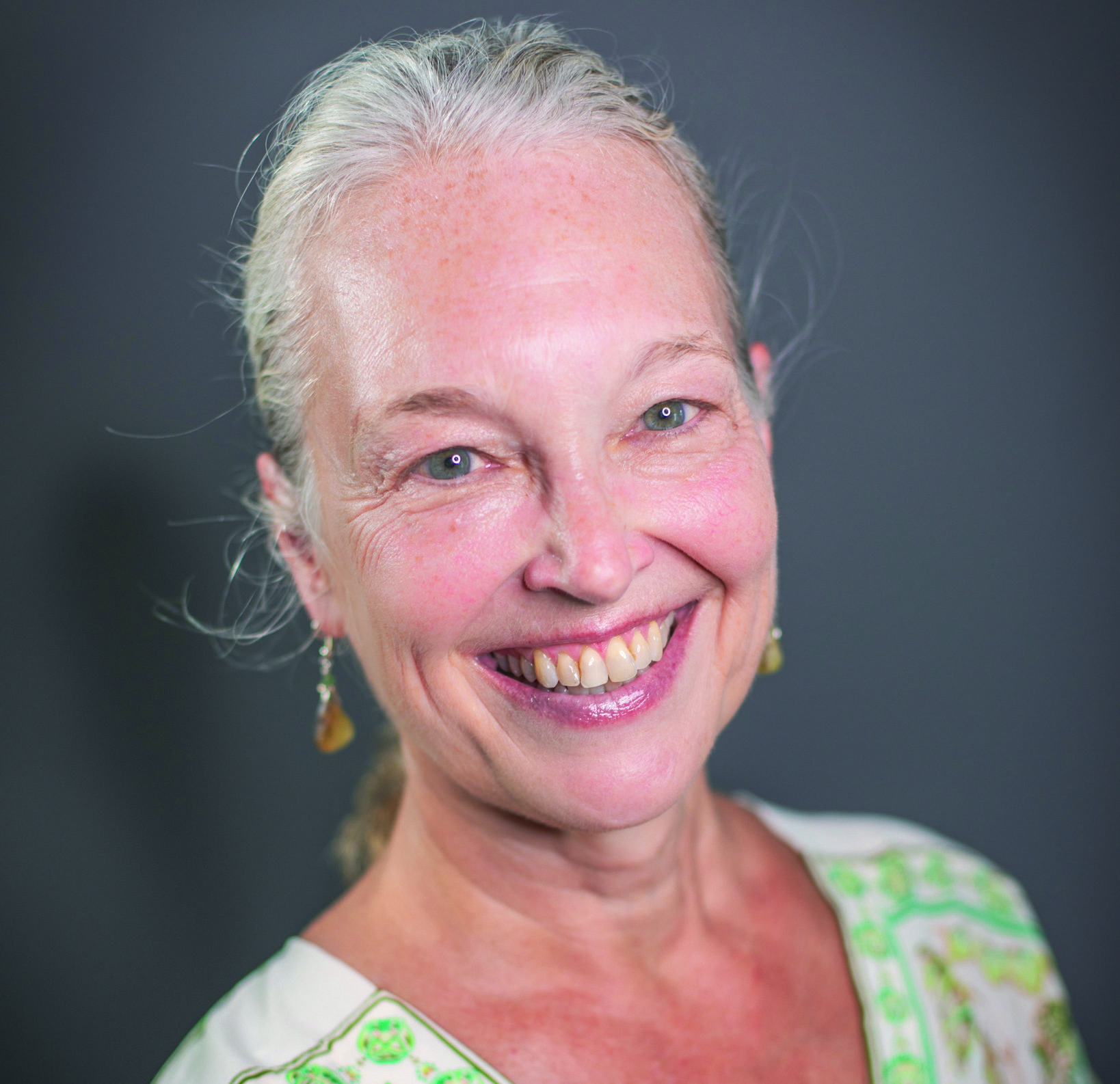
“I prefer to think of it as curiosity,” Yomekpe said with a laugh. “When I opened my catering business, I named it Asempe Kitchen to both honor and kind of challenge my grandmother. I wanted to reclaim that part of myself. It’s all a matter of perspective.”
It was Yomekpe’s natural inquisitiveness that caused her to watch the woman preparing her family’s meals and to absorb different styles of cooking from the travelers who came and went through her formal British household in Ghana. She now serves traditional West African fare at the Ithaca Farmers Market and offers cooking lessons and cultural experiences in addition to her catering.
“I love to be able to talk to people and engage with them about the food,” Yomekpe said. “It might be new and different, but I really want it to be approachable. Most people will want more once they taste it.”
Yomekpe’s family was a product of British colonialism, with English and Scottish roots but still very much Ghanaian.
“My grandmother was a teacher and later a principal. We would have people stay with us to learn English or so she could teach their kids. We had a big house with everybody going in and out,” Yomekpe said. “I learned to cook from my Auntie Mercy and all the different people that came through.”
Auntie Mercy was the one constant in the household, a nanny as well as a cook. Yomekpe remembers her as being warm and fuzzy, soft where her grandmother was a bit formidable.
“My sisters and I would steal away and go watch her cook in the back of the house,” Yomekpe said. “We didn’t have a stove inside but she cooked in what we call a coal pot. Auntie Mercy was really my inspiration for cooking. She did an amazing job with our food.”
Asempe Kitchen’s specialties include Nkatsi Nkwan (peanut soup), Red-Red (black eyed peas) and Jollof Rice, all simmered with onions, ginger, garlic, tomato and Yomekpe’s own blend of spices. She strives to keep her recipes simple and to source her ingredients as locally as possible, something she admits can be challenging.
“I want the food to be authentic so sourcing locally is a struggle,” Yomekpe said. “Most ingredients I can find, like okra and collards, but some are almost impossible. Fort Baptist Farm had been providing me with the little white eggplants that we call garden eggs, but they haven’t been able to get more seeds.”
Grains of Selim, a spice made from the dried seed pods of an African tree, is another hard to source example. Yomekpe refuses to purchase it online at $45 an ounce, so she asks friends and family members to bring it back for her whenever they make a trip home.
Yomekpe has made the choice not to use palm oil in her cooking due to harvesting practices which are devastating to the environment. She’s also chosen to make most of Asempe Kitchen’s food plant-based, although she herself is not vegan.
“In Ghana, we honor the whole animal by eating everything, head to tail,” Yomekpe said. “When I started the business in Ohio, I cooked lamb, goat, chicken, and fish. When I moved to New York five years ago, I realized there was an accessibility issue. There is such a huge population of plant-based eaters in the area. I switched to being plant-based because you can always add meat but once it’s in there you can’t take it out. It’s about being accessible to everyone.”
Cooking classes and culinary experiences can be tailored to the size of the group and the needs of the client. Yomekpe has gone into people’s homes for 1:1 lessons, or taught small groups in her own backyard. Larger groups can be accommodated in one of the commercial kitchens she uses in Ithaca, Cortland or Syracuse, including a visit to an African market to shop for ingredients.
“I’ve done classes for a wide variety of folks, including children as young as 6 and one couple from Arizona who saw me on-line and flew here! It was very flattering,” Yomekpe said. “The classes have made me realize that it is really about sharing. Sharing knowledge, sharing food, sharing experiences, stories, narratives.”
She’s run cooking competitions at corporate retreats and done fundraising events for community organizations.
“I did a fundraiser for the YMCA[in Ohio)] where I demoed two dishes using produce from their garden and volunteers from the audience. People bought tickets to observe the demo and then we all ate the food,” Yomekpe said. “My main idea is to get people talking about what they’re eating, helping them talk about what they grew up eating. It can be tailored to whatever you would like to learn about Ghana and food in general.”
Chef Kuukua said she enjoys sharing authentic West African food at the Farmers Market, but building community is really where her heart is. As a relative newcomer to the Ithaca area she is still finding her way to these kinds of opportunities. She has found Ithaca to be very welcoming, reminding her of Berkeley where she earned her first master’s degree in English literature.
“My goal is community, getting food to people, talking about the food system, being supportive of each other,” Yomekpe said. “We all eat. I always feel like food is a way to bridge our gaps and bridge our differences.”
You can find Asempe Kitchen at the Ithaca Farmers Market (Booth #76) on Steamboat Landing every weekend and at DeWitt Park on Tuesday afternoons (3-6 pm) and on-line at asempekitchen.com.
Related Articles
New bakery and coffee shop brings community and homemade treats to Newfield
Morning Moon Coffee and Bakery opens in Newfield, offering homemade treats, coffee and a cozy community space run by Amy Heffron.
End of an era: Sisters and family say goodbye to Royal Court
Royal Court restaurant Ithaca closes after 50 years, ending a family-run legacy built by sisters Marilyn Ryan and Dorothy Sturtevant.
Maïmouna’s Cuisine brings West African flavors to Ithaca
Maïmouna’s Cuisine Ithaca offers West African flavors with Friday pickups, cooking classes, and healthy catering led by chef Maïmouna Phelan.