
Cargill in Lansing eliminating positions due to decreased demand for road salt
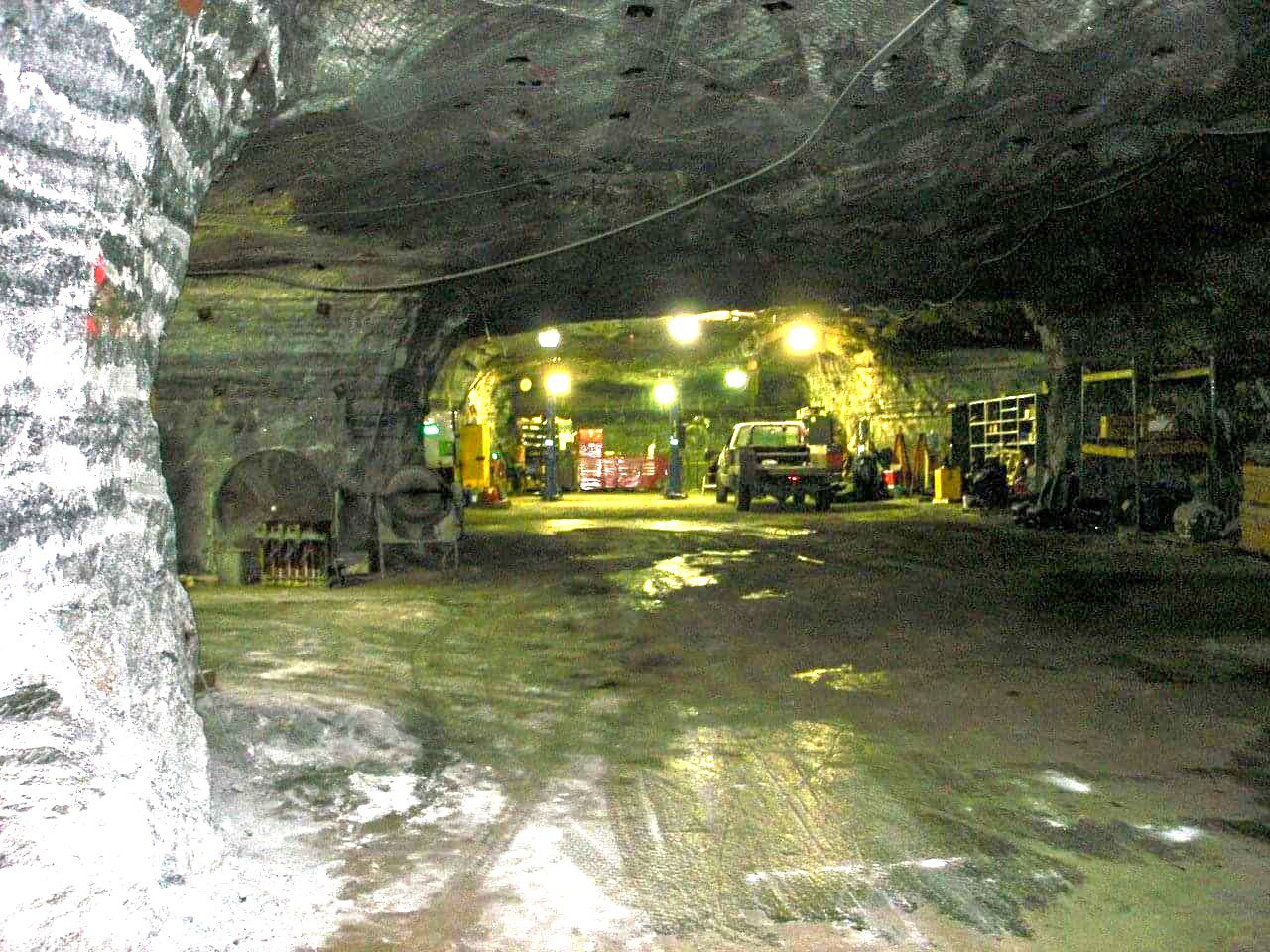
Cargill, the multinational company in charge of the Cayuga Salt Mine in the town of Lansing, confirmed to Tompkins Weekly on Friday Aug. 9 that the company plans to lay off workers as it seeks to restructure its operations to adjust to lower demand. A source familiar with the situation told Tompkins Weekly that the company will lay off 25 workers as part of the move.

Tompkins Weekly issued a list of questions to Cargill Senior Manager of Communications, Media Relations and Issues Response Chuck Miller and two other Cayuga Salt Mine employees, including questions about the potential for 25 layoffs and a reduction in the number of daily work shifts at the mine.
The source who shared information of the layoffs with Tompkins Weekly said that the company would reduce its current three shifts to two, which would slow down road salt production. Downsizing, the source said, would also be a move toward more efficient operations. The changes for the restructuring would take effect by October, the source said.
Miller did not respond to the list of questions directly, but instead provided the following statement via email:
“We recently notified employees at our Cayuga mine in Lansing that we will be changing the shift structure there. This difficult decision is a result of lighter winters and an anticipated reduced demand for road salt,” Miller said in a statement. “Unfortunately, this will result in the elimination of some positions at the mine. We are committed to providing support and resources to affected employees, including job search, application and interview assistance.”
Reacting to the news, Town Supervisor Ruth Groff said she hopes that the company honors its commitment to the potentially affected workers.
“To know that the reduction of workforce is due to lighter winters makes the issue of climate change hit home in a very real way,” Groff told Tompkins Weekly. “It is affecting Lansing families right now, and it is unfortunate when even one job is lost in our community due to circumstances beyond their control. I hope Cargill stands by their commitment to assist the unfortunate few with finding other employment.”
The move comes as the company is reportedly undergoing a larger restructuring. On Aug. 9, The Star Tribune in Minneapolis and St. Paul, Minnesota, reported that Cargill missed its financial goals for the year and will restructure several of its divisions to streamline and simplify operations. The report also notes that the restructuring follows a downturn in global commodity prices.
The Minnetonka-based conglomerate, the largest privately held company in the U.S. according to the article, will have three divisions instead of five starting in September: “Food, Ag & Trading and Specialized Portfolio.”
The company has also been the subject of recent rumors of a potential sale or decommissioning of the mine. Based on a report from financial news website The Deal, the company may be looking to exit the salt mining business. Cargill officials have said they “do not comment on industry speculation,” neither confirming nor denying the sale of the mine. Cargill has owned the mine for about five decades.
“Cargill does not comment on industry rumor or speculation regarding the Cayuga mine,” Miller said. “We remain focused on the upcoming winter season and ensuring we can provide products that keep people safe and enhance commerce by keeping roads clear.”
The potential sale or decommissioning has caused concerns for environmental advocates with the Cayuga Lake Environmental Action Now (CLEAN) group, who have demanded more commitments from state environmental regulators to protect the lake, as well as more transparency about the effects of mine operations.
“The closure of the salt mine is an inevitable outcome due to the finite salt reserves that can be safely mined from under the lake. While CLEAN advocates for closing the mine in light of the environmental risks it poses, it is imperative that Cargill assumes responsibility for its employees, as well as the long-term monitoring and potential remediation of any environmental damage caused by the mine,” said Stephanie Redmond, environmental researcher at CLEAN. “Cargill is the largest privately owned company in the country and has gained significant profits operating in our community. It is only fair that they offer their employees a generous severance package, lifelong medical coverage and opportunities for occupational retraining.”
Lansing at Large appears every week in Tompkins Weekly. Send story ideas to editorial@vizellamedia.com. Contact Eddie Velazquez at edvel37@gmail.com or on X (formerly Twitter) @ezvelazquez.
In brief:
The Lansing Community Library is asking patrons to take a survey to gather community feedback and be able to provide a better service. The survey can be found here: https://docs.google.com/forms/d/e/1FAIpQLSe2gDkqUUcwQFFPEyLHCp-hrdHnqWK9uqQ16y7tlfW1YSOGsQ/viewform.
Author

Related Articles
Lansing hits pause on moratorium proposal
Lansing moratorium proposal delayed as town officials seek more input while considering zoning updates and project impacts.
Letter to the editor: Lansing residents call for transparency, caution on proposed moratorium
Lansing NY town moratorium draws criticism from residents urging transparency and input from appointed committees.

Lansing Town Board moves forward with construction moratorium
Lansing construction moratorium debate continues as the town board considers impacts on zoning, development, and future projects.