
CARS to receive $350K to support mobile medication unit
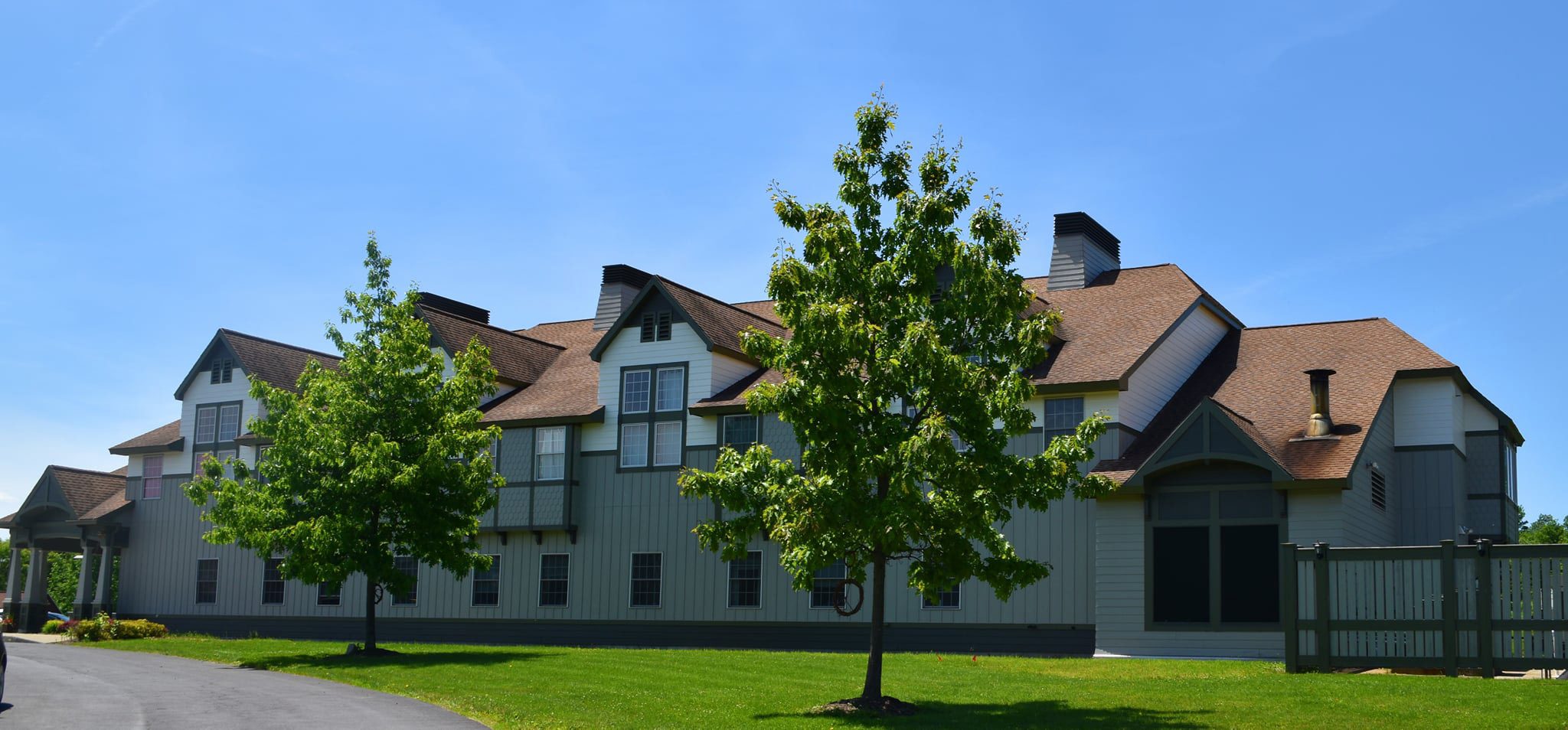
Earlier this month, Gov. Kathy Hochul’s office announced that addiction services centers throughout the state will soon receive a collective $10.25 million in state grants to boost their offerings (tinyurl.com/2fdq65a3), and among those awardees is Tompkins County’s Cayuga Addiction Recovery Services (CARS).
CARS we be receiving $350,000 in state aid to bolster its Mobile Medication Unit (MMU), which is in addition to $200,000 in state aid it received earlier this year for the same initiative. CARS Communications Manager Brad Walworth explained CARS’ plans for mobile resources and how these state funds will help.
According to Walworth, CARS’ MMU will be 33-feet-long vehicle consisting of three rooms: “a medical exam room in the front, an intake/counseling room in the middle and a medication dosing room in the back,” he said in an email.
“It will also have an onboard bathroom for drug screening and other use,” he continued. “The MMU will be kept in CARS’ Outpatient facility parking lot and will return to the lot every day following its route.”
Walworth elaborated further in an interview Tompkins Weekly, where he explained that the MMU is currently costing around $300,000 just to build, so that’s where the majority of the state aid will be directed.
“And then of course, we’re going to have dedicated staffing … because with the travel time and being in those locations, those are going to be full-time jobs, just on the medical unit,” he said.
CARS’ MMU is planned to stop in a variety of counties within the Southern Tier region, including Tompkins, Tioga, Chemung, Stuben, Schuyler, Yates and more. Walworth said the MMU will likely be ready to launch by February of 2023 and will run six days a week, spending at least an hour at each one of its stops. For the most part, the MMU will be providing primary care services through CARS’ Opioid Treatment Program (carsny.org/opioid-treatment-program).
Walworth said the MMU will be a crucial resource to provide treatment services to those most in need, particularly as addictive substances like opioids have become far more lethal with the introduction of fentanyl. Walworth said fentanyl’s effects on communities like those in Tompkins County have only worsened due to the pandemic.
“Fentanyl, especially, it’s just in everything these days,” he said. “So, even though we’re seeing most of the COVID challenges over, … what’s out there now is increasingly lethal. And a lot of substances are getting mixed together, and it’s just a devastating mix for people with substance use disorder. Now, the increase in overdoses, it’s still increasing. It’s horrific. It’s all over.”
CARS’ Opioid Treatment Program officially launched in January of 2020, and Walworth said that, since then, the state has greatly increased its investment in opioid treatment services, recognizing that there are many unserved or underserved areas throughout the state. Another positive move Walworth has seen from state administration is a focus on harm-reduction approaches to addiction treatment.
“[The] state Office of Addiction Services and Supports [has] really gotten on board with more of a harm-reduction approach and allowing us to do more of a harm-reduction approach,” Walworth said. “So, we’re looking at different ways to incorporate that in our services, which has been incredible. Methadone services through Opioid Treatment Program — methadone service is considered part of that harm-reduction approach — more Narcan out there, more knowledge about that out there, more training out there has been incredible. … The increased perceived value of peer services has been incredible. So, those are real positives.”
While CARS has a lot of reasons to celebrate, including its 50th anniversary this November, Walworth acknowledged that the organization is still facing its fair share of challenges, primarily with staffing.
“The big challenge, obviously, [is] getting enough nurses, … and I think that was brought on big time by COVID,” he said. “And it’s still affecting things we’re doing. We’re doing pretty well in that regard now, but still, we’re looking for more nurses [for our] residential program.”
COVID-19 also had a significant effect on the progress of CARS’ upcoming women’s residential program, which was in its planning stages before the pandemic hit (tinyurl.com/2j2cys2e).
“We’re looking at now, hopefully, breaking ground in 2023 and getting that program go open by 2024,” he said. “We’ll see. COVID really slowed everything down with the cost of construction, the cost of materials, and then once those things get delayed, everything is on a timeline, so you’re looking at everything from zoning approvals to everything else being a challenge with that. But [we’re] looking optimistically toward getting that women’s facility open finally … because it’s needed.”
Even so, Walworth is focusing on the positives, like COVID-19 ushering in a new focus on telehealth — with telehealth still being actively used today.
“The fact that it’s becoming more and more available now for people, those low percentages of people that are receiving services as compared to the people that need them, that number should be going up with all the telehealth out there now for people to be able to access that couldn’t before or were intimidated by the idea of going to a specific building and trying to fit that into their schedule,” he said.
Walworth also shared that while staffing has been a challenge for CARS, he doesn’t expect it to be an issue when it comes to its MMU.
“When I went to the nursing school job fair, I mentioned it,” he said. “All these nurses already had jobs lined up. But every one of them, when I showed them a diagram of what this unit is going to look like and told them what it’s going to do, they were all just incredibly excited about it. They know the need. And that’s one service I don’t think … will have any kind of challenges in getting staffing because it’s new, it’s needed, and it’s just another way New York state is going to be meeting people where they are by providing mobile services in those areas.”
Going forward, Walworth said CARS is working to expand its services so it can be an important resource for those struggling with substance abuse throughout the region.
“It’s huge, just for people to know that, ‘Hey, I can turn to them. I might not be in the place ready to access treatment, but I can still turn to CARS. I can still get I can get test strips there. I can get Narcan there. I can get an assessment there for services just to see where I am in a need for treatment,’” he said. “Maybe someone needs a higher level of treatment really to deal with what they’re dealing with.”
Walworth added that, if you or someone you know is struggling with substance abuse and has tried previous programs to treat it, CARS is there to help.
“You can come to CARS,” he said. “Just because you might have been through a program in the past doesn’t mean we won’t welcome you again. We welcome and welcome and re-welcome people. It’s an attempt to keep people safe. It’s an attempt to help people get where they want to be and an attempt to get people where they need to be in some situations.”
For more information about CARS, visit its website at carsny.org.
Jessica Wickham is the managing editor of Tompkins Weekly. Send story ideas to them at editorial@VizellaMedia.com.
Related Articles
Cayuga Medical Center nurses to rally, alleging anti-union tactics by hospital management
CMC nurses plan a rally, alleging unsafe staffing and illegal anti-union tactics as the hospital highlights recent patient-safety gains.
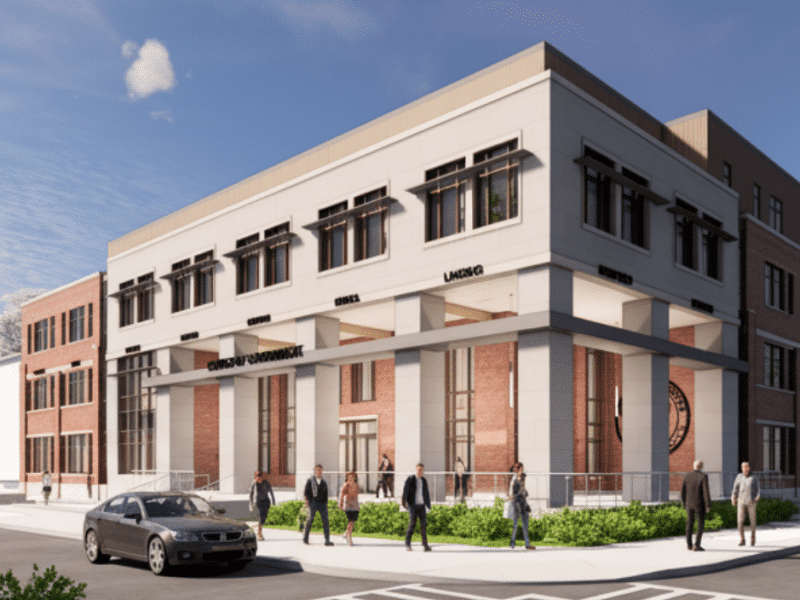
Design details unveiled for new Center of Government
Design details for the Tompkins County government building in downtown Ithaca are now public, with a county survey open for feedback.
Holiday traditions bring community cheer
Tompkins County holiday traditions light up homes, farms, and schools with festive cheer and community spirit.