
Celebrating history: Stewart Park added to the National Historic Register
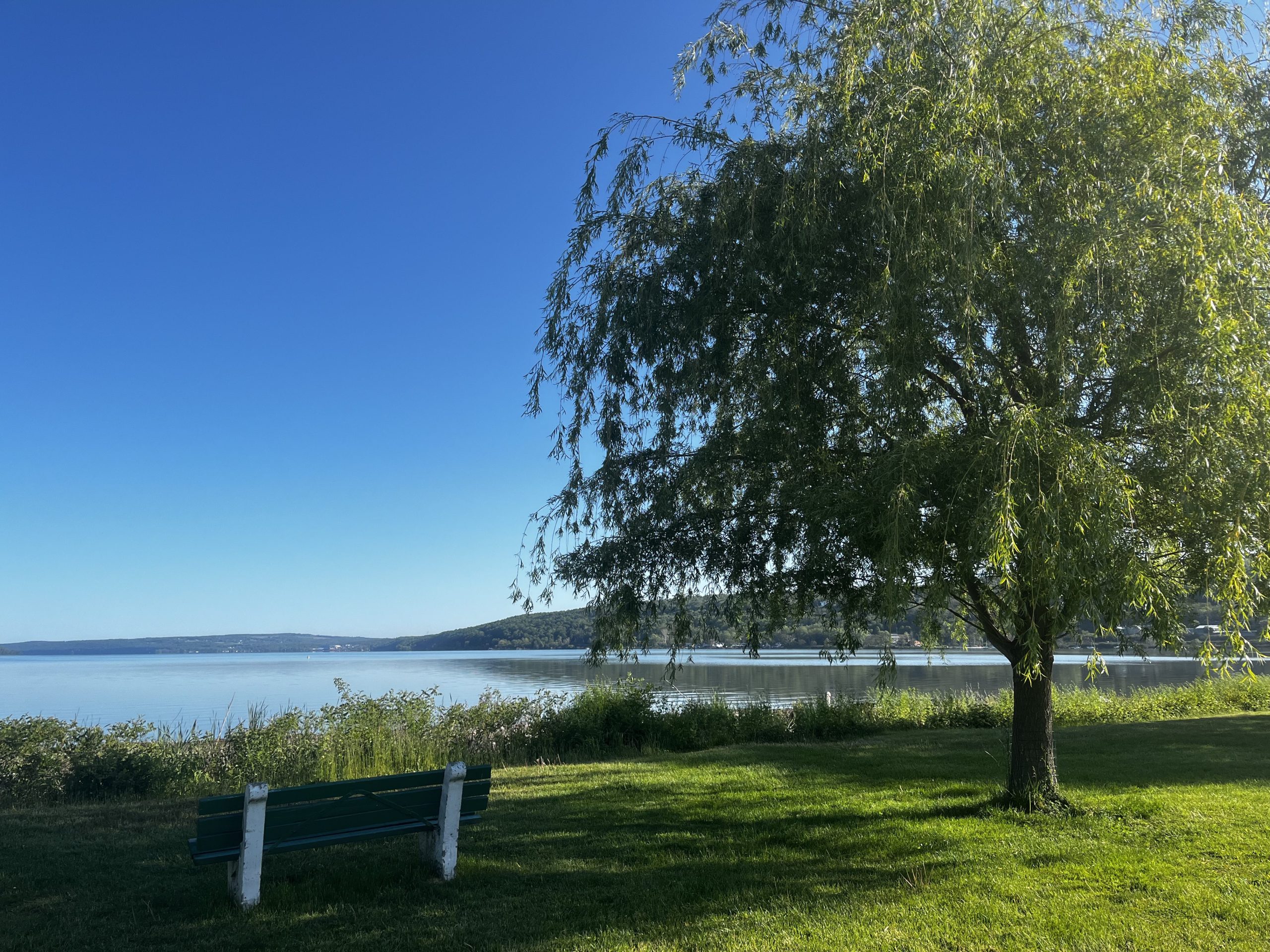
Friends of Stewart Park and the City of Ithaca recently announced that Stewart Park has been officially listed on the National Register of Historic Places as of May 5, 2023. The park was placed on New York’s State Register earlier this year.
Listing on the State and National Registers recognizes the importance of the park to the history of our local area and the country. The listing also provides the park with additional protections that preserve the integrity of park buildings, many of which were built in the late 1800s. According to Rick Manning, Friends of Stewart Park (FSP) executive director and co-founder, the National Register listing also means the park will be eligible for state historic preservation matching grants.
Susan Holland, executive director of Historic Ithaca, one of the local collaborating entities, said the national and state registry designations not only celebrate our local treasure, “but also the people that populated it, the people that built it, the people that did something to make it a park for everyone.”
“Getting on the National Register is really bringing it up to a level that’s highlighting our histories in this country,” she added.
The listing is the result of hard work and collaboration among FSP, Wharton Studio Museum (WSM) and Historic Ithaca. Since 2011, FSF and WSM Friends of Stewart Park and Wharton Studio Museum have led the effort to revitalize Stewart Park, in collaboration with the City of Ithaca, which owns the park.
“As the executive director of the museum and a board member with Friends of Stewart Park, I realized the missions are very, very similar. The main difference is ours is very specific to the movie piece of its history,” said WSM Executive Director and Founder Diana Riesman. “We became closer and closer, like sister organizations, and partnered in the revitalization of the entire park. I’ve been Friends of Stewart Park board president for I don’t know how many years and it’s just been wonderful. We work in close collaboration with the city of Ithaca too and have been able to conduct some exciting projects.”
The park has a rich history that is important to the county’s history, and it also weaves itself into a national, and slightly international, history.
The park was taken from the Cayuga people by the United States government in the 1790s and nearly 100 years later, the Cascadilla School purchased 40 acres to build the Cascadilla Boathouse. At that time rowing was a popular waterfront sport, much like it is today. At this same time, the Cayuga Lake Electric Railway Company was building an amusement park at another section of the park.
Electric railway companies, or trolley companies, were buying and building attractions within parks across the country. Their goal was to attract people to the lesser visited parts of towns and cities and to increase traffic during their slower hours. This national trend is what led to the creation of Stewart Park’s amusement park.
However, in the early 1900s, the Cayuga Lake Electric Railway Company dissolved and was replaced by the Renwick Park and Traffic Association. This new company leased part of the park as a film studio to the Wharton brothers in 1915. Their work was circulated on an international scale, which is a big deal when you think of “little Ithaca” and the other studios with names we now recognize such as Kodak.
Silent film producers Leopold and Theodore Wharton were widely known at the time. Ithaca was a hub for silent films in the early 1900s and is one of few places that still has a standing film studio from this era. That is what attracted Riesman to the building in the early 2000s.
“I did some research and work on my own and then with a co-founder, we created what was then called the Ithaca Motion Picture Project in 2009,” Riesman said. “Our mission was to really preserve and celebrate this local piece of history and its role in early American moviemaking. We started very small and had little events here and there and it began to grow substantially. In 2014, we got a charter from New York State saying that we could officially become a museum.”
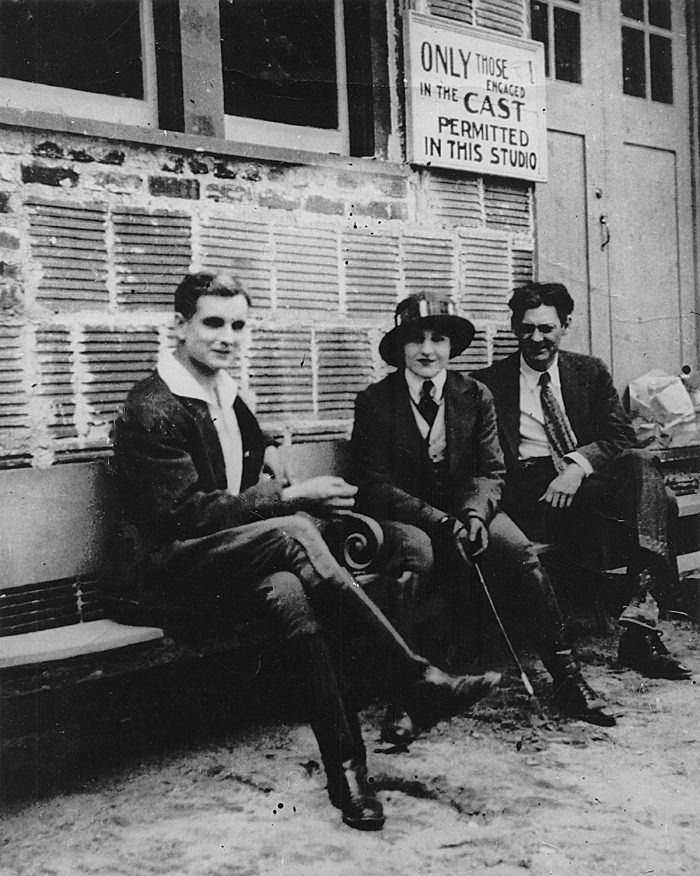
The Wharton Film Studio, which was not long-lived, closed around 1919. Despite the studio’s closing, the property was given new life when then-mayor Edwin Stewart declared it a park and began restoration efforts. The park was subsequently named after him when he passed away a month before the park officially opened.
Since the 1920s, the park has undergone many iterations and additions from a zoo, golf courses, and summer camp space, to the addition of the carousel. The park now boasts many amenities that make it an enjoyable place for everyone in the community — visitors and residents alike.
“We really saw it as a way to preserve and protect the park and to continue to improve it. We’re also thinking about marketing and tourism, which is really important,” Manning said. “These designations do matter to people who travel or enjoy history so it’s another feather in the cap of the park. It recognizes what Ithaca residents and visitors already know, that Stewart Park is not only beautiful, but historically significant.”
While the listing is a huge accomplishment for everyone involved with the park, and those who enjoy it, there are other projects in the works that FSP was excited to share. While the new park playground is complete, there are two areas still in the works: accessible playground bathrooms and the Splash Pad.
Because there is no swimming in the lake at Stewart Park, FSP decided that some kind of water-playground was needed for kids, especially on the hot summer days. The Splash Pad is a safe and all-accessible way for the park to have water-fun incorporated into its offerings.
Additionally, the WSM will be getting a permanent physical location when the Wharton Studio Park Center is created in the northernmost rooms of the Wharton Studio building, which will include local film exhibits, a small shop/office, year-round restrooms, a café with indoor/outdoor seating and the museum space.
The Wharton Studio Park honors the role that the Wharton, Inc. Studio and the city of Ithaca played in early American movie-making, according to Riesman.
“Stewart Park has been many different things over the years and the city has been maintaining it all this time,” said Jeanne Grace, the Ithaca City Forester. “We’re really grateful that [FSP and their partners] were able to pursue this designation, which recognizes the historic nature of the park and the value that the park has to the community. We’re hoping that it makes other grant opportunities available to us so that we can continue our work of preserving the historic nature of the park and improving it for the community.”
To donate to any park restoration project, the Splash Pad, contact info@friendsofstewartpark.org or to donate to the Wharton Studio Park contact Diana Riesman at driesman@whartonstudiomuseum.org. Donations can also be made on the website at https://www.friendsofstewartpark.org/splash-central.
Related Articles
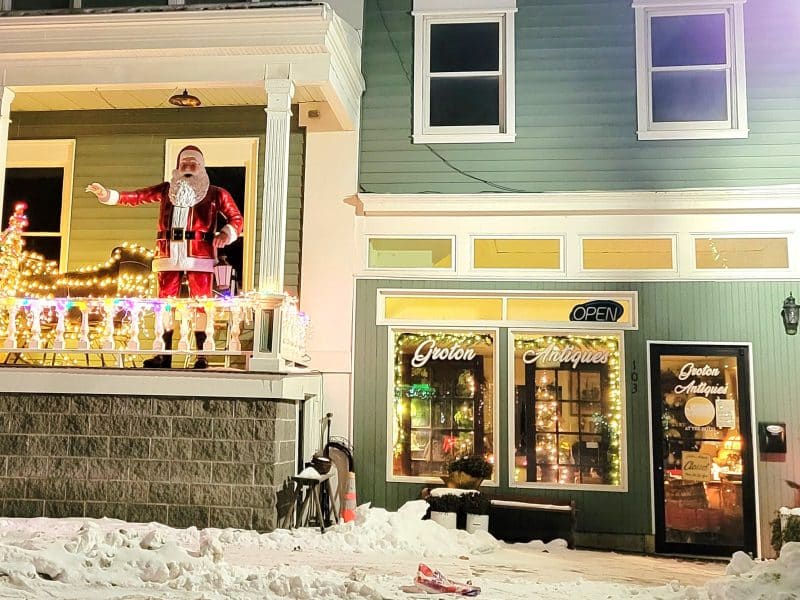
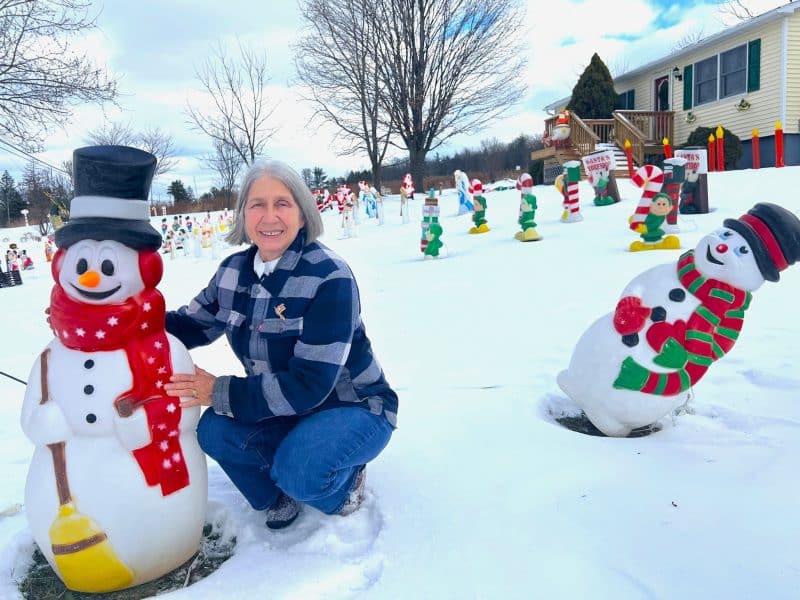
Holiday traditions bring community cheer
Tompkins County holiday traditions light up homes, farms, and schools with festive cheer and community spirit.
The gift of an experience: Local businesses offer hands-on holiday fun
Holiday experience gifts in Tompkins County include candle making, gourd crafts, and pottery workshops for creative seasonal fun.