
Collaboration helps those in recovery obtain, retain jobs
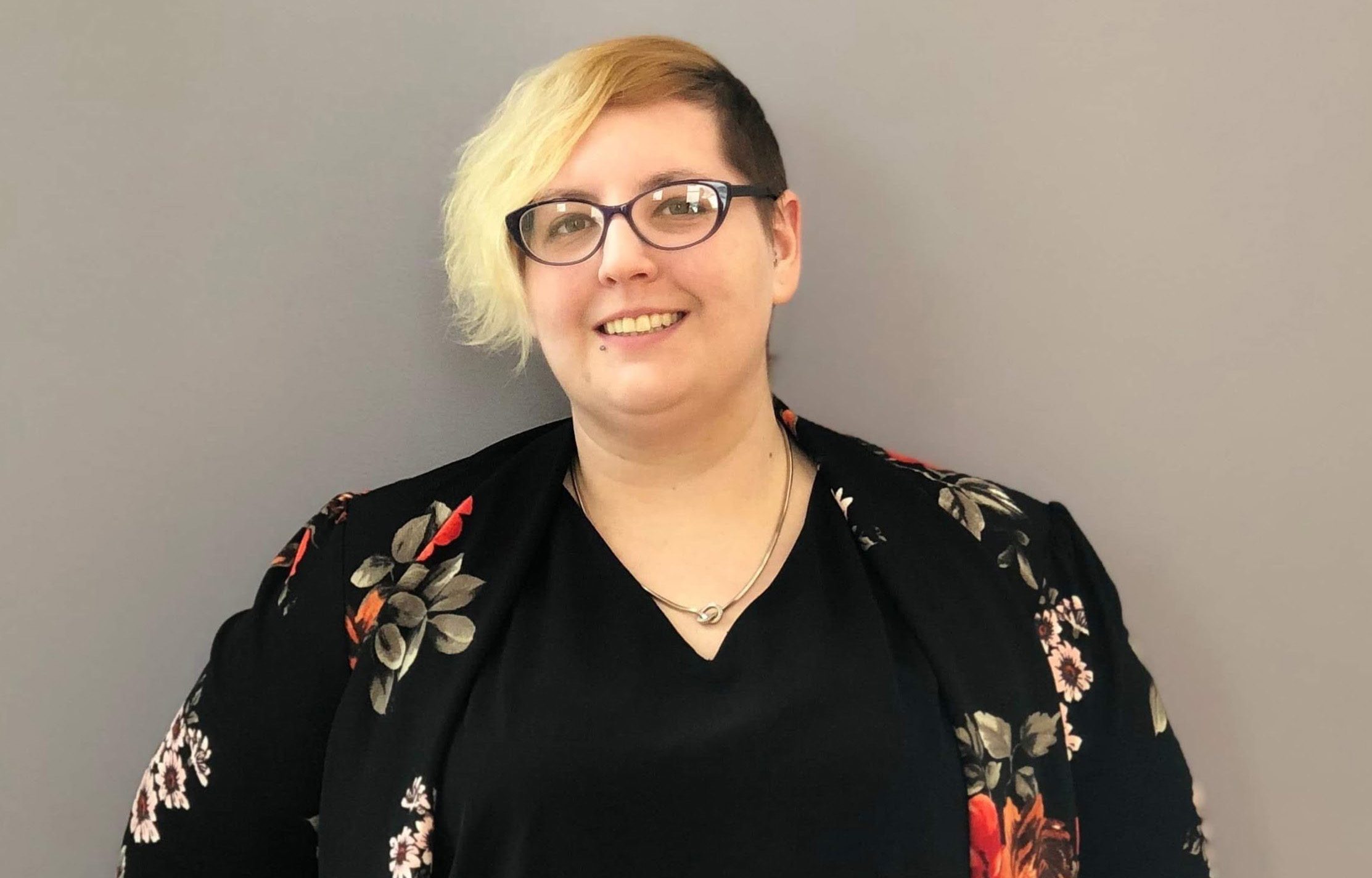
Over a decade ago, Ashley Dickson dropped out of Tompkins Cortland Community College, having struggled with substance use issues for most of their 20s. When they found recovery in 2015, they went back to TC3 to get a degree and help others like them on their own recovery journeys.
“I was an employee in Tompkins County at so many different places while I was actively using, and I wasn’t a very good one,” they said. “But when I found recovery, TC3 took a chance on me taking me back as a student. And my first job in recovery took a chance on me as a person in recovery.”
Dickson knows how much recovery-friendly educators and employers can impact someone struggling with recovery and has been working at TC3 as a Collegiate Recovery Program specialist to provide more resources for students in recovery.
Given Dickson’s experience, it was no wonder that last year, they and others at TC3 jumped at the chance to be a part of the Healthy Workforce Network, a local group of several area organizations and nonprofits that offers educational and training support to individuals in recovery to help them gain and retain employment. Recently, participating organizations began to roll out programming toward this end, and it’s already having an impact.
The Healthy Workforce Network, led by the Alcohol and Drug Council of Tompkins County (ADC), submitted a federal grant application through the Appalachian Regional Commission and U.S. Department of Labor to attract funding to the county for several area programs and resources, according to the ADC.
“We were inspired by our friends in Otsego County, who actually set up a version of this,” said Angela Sullivan, ADC executive director. “We took that idea, that little grain of ‘Wow, wouldn’t it be great if we had a better way to connect people in recovery and employers?’ because we know that having meaningful work is one of the key pillars of sustained recovery.”
Healthy Workforce Network members include the ADC, Challenge Workforce Solutions, TC3, OAR of Tompkins County/College Initiative Upstate, Workforce NY and the Tompkins County Chamber of Commerce.
As OAR Executive Director Deb Dietrich explained, OAR had actually started applying to the Department of Labor for funds for a similar purpose right around the same time that ADC was, and when the two organizations realized they had a common goal, they decided to work together and bring in others connected to the workforce and recovery communities.
Dietrich explained the long journey from the original application to implementation.
“We were granted the money about a year ago,” she said. “Between COVID and the bureaucracy, a lot of the first year was setting up policies and procedures, memorandums of understanding. One of the reasons we were granted the funding was because it’s kind of a unique model on pulling together so many disparate organizations who cover different pieces of working with people in recovery.”
Sullivan added that COVID-19 made the goal of the network much more pressing, as people in recovery have been facing considerable challenges due to the pandemic, as Tompkins Weekly has touched on before.
“Where we started was we had a less than 3% unemployment rate in Tompkins County, and so, we were looking to connect with a small, very targeted group of people who are unemployed to connect them to employment,” she said. “Now, we have a much higher [unemployment]. … So, it’s really changed to a much more holistic approach, where we don’t want people in recovery to get left behind in any economic recovery that happens.”
The Healthy Workforce Network offers college prep, TC3 admission and educational supports; job readiness, career exploration, training and coaching; on-the-job training grants for recovery-friendly employers; internships and apprenticeships; and ongoing addiction recovery supports.
Members of the network universally expressed the importance of supporting those in recovery on their employment journeys, which is why many of them chose to collaborate in the first place.
“It’s serving a population that we weren’t serving before, specifically,” said Jennifer Northrop, manager of employment and youth services at Challenge Workforce Solutions. “It’s part of our mission, helping create pathways for people to get employment who have some type of barrier. It’s good for everyone. It’s a win-win. So, it also allows us to partner in ways with other agencies around us that we might not have partnered with before.”
Jennifer Tavares, president of the Tompkins Chamber, echoed that sentiment, adding that the Healthy Workforce Network and the programs it supports can go a long way to benefit not just those in recovery but also the county as a whole.
“I think a lot of people probably are just unaware of the extent to which we have people in recovery working in all kinds of workplaces throughout the community already now,” Tavares said. “Having all of these support services and different organizations working together to really nurture the clients through the system and through getting all of the resources that they need, I think, is a really lovely opportunity for us as a community.”
At the Chamber, funds from the grant have allowed for a new iteration of its On-the-Job Training Grants (OJT). Under this program, training grants with a maximum payout of $2,000 will be available to businesses that are hiring a new employee and providing the training needed to be successful in their new role or that are promoting an existing employee within their organization, according to the Chamber.

While some programs and services through the Healthy Workforce Network are still rolling out, those who have benefited from the network and others in the recovery community voiced support for the collaboration. Mike Foster, employment specialist at Challenge, described what he’s heard in his circles.
“[It’s] been good in the sense that, ‘This isn’t what I thought it would be,’” he said. “The expectation is kind of like a lecture/listen scenario — ‘I’m going to sit down and somebody is going to read me a book, and they’re going to tell me what to do.’ … The flexibility of the program has been a big point of feedback from people and the program being more fun than what was expected from a typical program.”
Network members shared a desire to later expand services well outside of Tompkins County. In the meantime, organizations are focused on helping whomever they can get the resources and services they need to be successful.
“We are already looking for additional funding opportunities to be able to keep this going in the long term because these are really important services,” Tavares said. “There’s a lot of people who just need a little bit of help to gain employment and remain employed. And the hope is that this is a program that supports both the employee and their employer and making sure that there is a long-term, successful employment situation.”
To learn more about the Healthy Workforce Network and the resources provided by the participating members, visit the Alcohol and Drug Council at alcoholdrugcouncil.org/employment-in-recovery, OAR at oartompkins.org, Challenge at challengeworkforcesolutions.org, TC3 at tompkinscortland.edu/campus-life/collegiate-recovery-community or the Chamber at tompkinschamber.org/ojt.
For more information or to schedule an appointment to discuss the OJT grant opportunity, please contact David Walton at ojt@tompkinschamber.org or at (607) 273-7080.
Related Articles
Beginnings Credit Union holds ribbon cutting
Beginnings Credit Union celebrates a branch rebrand in Ithaca, providing improved services and engaging with the local community.
Cailyn McMahon: From Brooklyn to Groton for the love of sweaters
Designer Cailyn McMahon moves from Brooklyn to Groton to raise sheep and pursue her dream of making American-made wool sweaters.

New bakery and coffee shop brings community and homemade treats to Newfield
Morning Moon Coffee and Bakery opens in Newfield, offering homemade treats, coffee and a cozy community space run by Amy Heffron.