
Coltivare & TC3 Farm: a food pairing that works
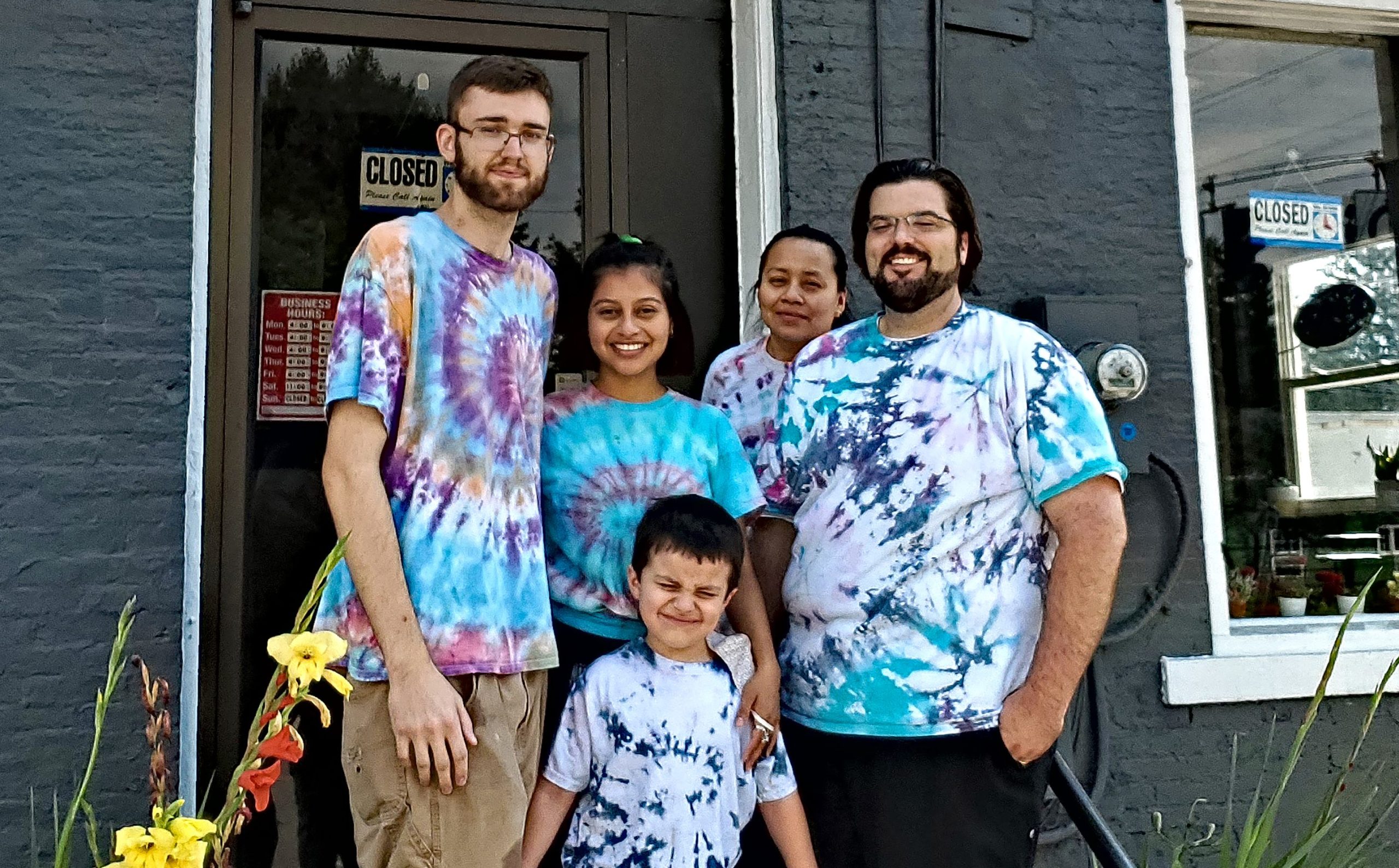
Coltivare, located just a block from the Ithaca Commons, serves American fare that is locally sourced and inventively prepared. Patrons can enjoy comfort food like the mac n’ cheese with smoked gouda and apple cider braised pork or choose something more adventurous like the marinated cauliflower with vegan cashew “cheese.”

What might not be obvious to the casual diner sipping a Finger Lakes wine or a creatively crafted cocktail is that Coltivare is more than just a restaurant. It’s also a culinary center complete with a teaching kitchen, amphitheater, wine cellar and special event space.
Professionals at Coltivare teach and give hands-on experience to Tompkins Cortland Community College students majoring in hotel and restaurant management, culinary arts and wine marketing. Students in these disciplines may be helping to prepare or serve food, working behind the bar or greeting and seating diners at the hostess stand.
The fourth major in the college’s Farm to Bistro program, sustainable farming and food systems, is taught at the TC3 Farm adjacent to the campus in Dryden. Working together, Coltivare and the TC3 Farm give students the opportunity for hands-on experience in every aspect of food production, distribution, preparation and marketing.
Key players in this dynamic partnership are TC3 Farm Manager Todd McLane and Coltivare’s Director of Operations Jason Sidle. Both men are passionate foodies but even more committed to teaching their students and supporting their communities.
“Students help with everything needed to operate a successful small farm,” McLane said. “Right now, we’re in the planning stages of crop selection and rotation, but soon, we’ll be doing bed preparation and getting the farm ready to wake up.”
While McLane said that it would be easy to only focus on providing food for the restaurant at Coltivare, that alone wouldn’t provide a well-rounded experience for students.
“We’re primarily a CSA (Community Supported Agriculture) farm with 50 to 60 members per year, but we also do restaurant and direct sales,” McLane said. “In addition to Coltivare, the farm also sells food to the college dining hall and the culinary arts program for its cooking classes. We also have a farm stand and sell seedlings to home gardeners and other small farms in the area.”
Still, the partnership with Coltivare is an important aspect of the program, with benefits to both entities.
“I have conversations with Executive Chef Patrick Blackman over the winter months about what crops he is interested in featuring and in what quantities. This year, he told me he’d take all the okra we could produce,” McLane said. “I like to grow a lot of funky varieties, like every shape, size and color of tomato and beet. It works well in a niche restaurant like Coltivare.”
An obvious benefit to the restaurant is the source of locally grown organic produce, but perhaps even more important is the knowledge and experience gained by some of Coltivare’s staff, like sous chef John Corbin.
“John is a graduate of the culinary arts program at TC3, but he also completed three internships at the farm,” Sidle said. “The knowledge he gained there definitely adds depth to the menus and recipes he creates. He knows the science of food and which flavor profiles pair well together.”
The restaurant is also able to greatly reduce its costs for garbage removal as well as its landfill footprint by returning composted food waste back into the fields at the farm.
“We purchased a composting machine several years ago,” Sidle said. “It has more than paid for itself, and it’s good for the environment. It reduces two huge garbage bags of waste down to a 5-gallon bucket of wet confetti-like material, which is compost ready.”
The restaurant’s affiliation with TC3 also helped it to get through the pandemic.
“The accounting and finance team helped us to obtain a PPP loan,” Sidle said. “Like most of the restaurants in town, we wouldn’t have survived without it.”
Coltivare was lucky to have its large event space, which allowed the restaurant to spread out and maintain the required distance and occupancy levels when it was able to reopen. Still, it has been a struggle, and Sidle is eager to get back to full capacity.
“The last year has been tough,” Sidle said. “When I talk to the staff, everyone says they just want to see people again. We miss our regulars. We miss being able to engage with the community doing fundraisers and hosting events.”
At the farm, McLane is also optimistic about the coming months. Last spring, COVID-19 caused the program to go online for much of the semester, meaning that McLane took over farm duties himself.
“I’m really excited to have students involved in the whole growing season,” McLane said. “With the uptick in home gardeners last year, our seedling sales increased three-fold, and I can use all hands on deck.”
McLane also sees a new appreciation for equitable food access and an opportunity for change as a result of the pandemic.
“Opportunities for folks studying food systems are going to be greatly increased. We’ve just seen how broken the system is,” McLane said. “I’m excited about the opportunities this will open up for my students.”
Coming up at the TC3 Farm (tompkinscortland.edu/tc3farm):
- CSA shares now available for the 2021 season (full and half shares, sliding fee scale)
- Seedling sales (order in late April for seedlings to be ready at planting time)
Coming up at Coltivare (coltivareithaca.com):
- Now open for takeout (Thursday through Saturday) and in-house dining (Thursday through Saturday)
- Now booking for events
- Watch for exciting new seasonal menus coming soon, including special menus for Easter and Mother’s Day
Popular cooking classes returning soon
Related Articles
Dryden Fiber looks back on another year of service
Dryden Fiber reflects on a year of growth as the municipal internet provider expands service across Dryden and Caroline.
Holiday traditions bring community cheer
Tompkins County holiday traditions light up homes, farms, and schools with festive cheer and community spirit.
The gift of an experience: Local businesses offer hands-on holiday fun
Holiday experience gifts in Tompkins County include candle making, gourd crafts, and pottery workshops for creative seasonal fun.