
Cornell group offers skills, and friendship, to local students with disabilities
Cornell’s Career Skills Club helps TST-BOCES students with disabilities gain job skills and confidence, per Tompkins Weekly.
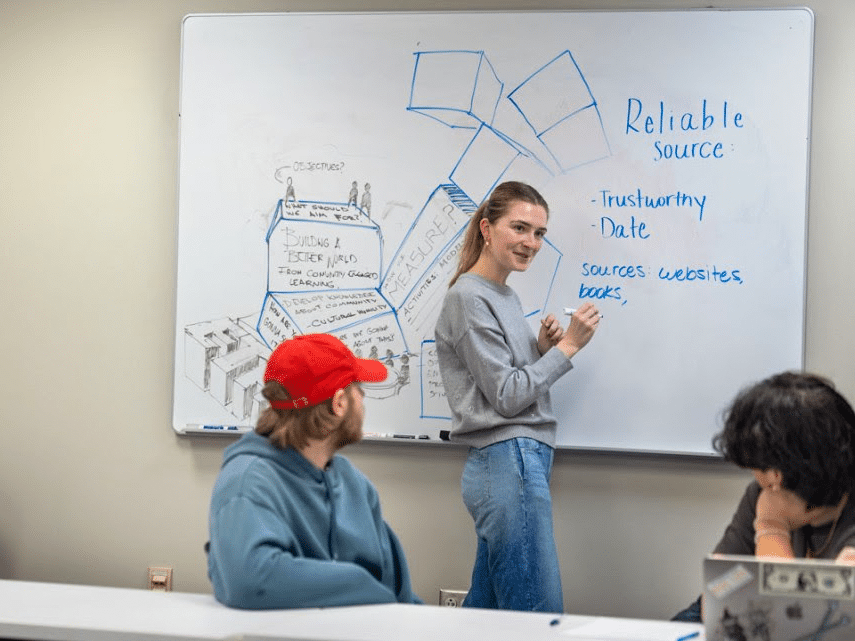
Isabelle Erskine ’25, president of the TST-BOCES Career Skills Club, leads a discussion with a group of TST-BOCES students with intellectual disabilities and their teachers on March 17 in Kennedy Hall.
Emma Dodici never wanted to miss school on Mondays.
She was enrolled in the Career Skills at Cornell program for students with intellectual disabilities at Tompkins-Seneca-Tioga Board of Cooperative Educational Services (TST-BOCES), and she spent Monday mornings with a group of Cornell students who were her friends.
“If we had something going on on Mondays, she’d say: ‘No, that’s when we go to Cornell,’” said Beverly Dodici, Emma’s mother. “Having neurotypical peers who made her feel like she was a part of the community – it really built her confidence and self-esteem.”
Emma, who has Down syndrome, graduated from TST-BOCES last year and is living independently at Otsego Academy in Edmeston, New York. The Cornell students who befriended her are members of the TST-BOCES Career Skills club, a student-run group supported by the Einhorn Center for Community Engagement. The club helps TST-BOCES students with intellectual disabilities develop communication and life skills, and a sense of curiosity and confidence that helps them as they transition out of school.
The program is part of a larger relationship between the TST-BOCES work readiness program and Cornell. The BOCES students spend Friday mornings at the Cornell Lab of Ornithology and three mornings a week working various jobs at the Statler Hotel. For their time, the BOCES students, all aged 16 to 22, receive credit toward their Career Development and Occupational Studies credential, which recognizes a student’s ability to enter the workforce.
“It’s imperative that we think about the futures for these students, because many of them are going to be on a different path,” said Helen Staller, a special education teacher at TST-BOCES. “If we can get them set before they’re done with high school, if we can make some of those connections and put that image of the future in their minds, then we can build that bridge – that’s why the class the Cornell students run on Mondays is so important.”
The Cornell students said the group is a source of growth for all involved.
“It’s very reciprocal,” said Isabelle Erskine ‘25, president of the club and a human development major in the College of Human Ecology. “We’re learning as much from them as we’re giving to them.”
“We become friends with the students as much as they become friends with us,” said Kathryn Erich ’26, the club’s public relations chair and a student in the ILR School. “This community helps me realize what’s actually important. It also makes me feel like I’m having an impact beyond Cornell’s campus.”
At 9 a.m. every Monday, the group gathers to practice basic interactions and skills – shaking hands, interviewing, filling out job applications, using a computer, writing and especially conversing. They also visit sites on campus to stoke curiosity.
The preparation has helped students find employment – sometimes at Cornell – and gain exposure to new places and people.
“We’ve had selective mutes who have opened up to the college students and been able to hold a conversation. We’ve had autistic students who have learned how to interact appropriately,” said Karen Bennett, a special education teacher at TST-BOCES. “We have a lot of students who say they’re anxious that they’re not going to be able to do something, like practice for an interview, but then they surprise even themselves.”
Beverly Dodici said she could see the progress in Emma’s communication at home.
“Neurotypical peers really know how to engage her and sustain a conversation, and especially in our culture, language is really used as a way to informally measure someone’s ability, and so when she’s not able to communicate, people feel she’s not as capable as she is,” she said. “The socialization skills, the practice the students gave her, really helped her hold conversations and be fully herself.”
Nikolai Huie, a TST-BOCES student with Down syndrome who participated in the program last year, said the group helped him gain independence and more. “They were family,” he said.
Please find the full version of this article at the Cornell Chronicle, https://news.cornell.edu/stories/2025/04/group-offers-skills-and-friendship-local-students-disabilities
Author

Related Articles
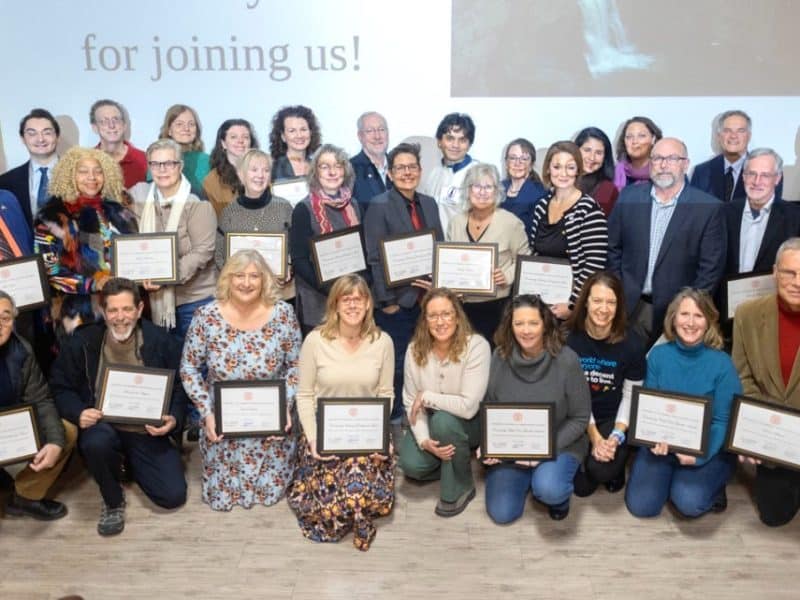
Town-Gown Awards honor housing, child care collaborations
Town-Gown Awards recognized Cornell and community partnerships supporting affordable housing and child care in Tompkins County.
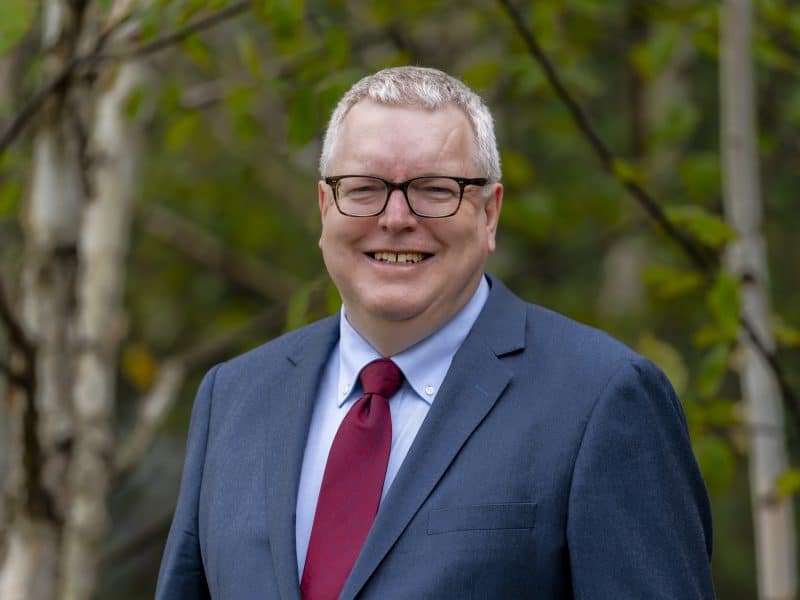
Lorin Warnick to end term as Cornell Veterinary College dean
Warnick Cornell dean Lorin Warnick will step down in 2026 after leading the veterinary college through growth, innovation, and major public health milestones.
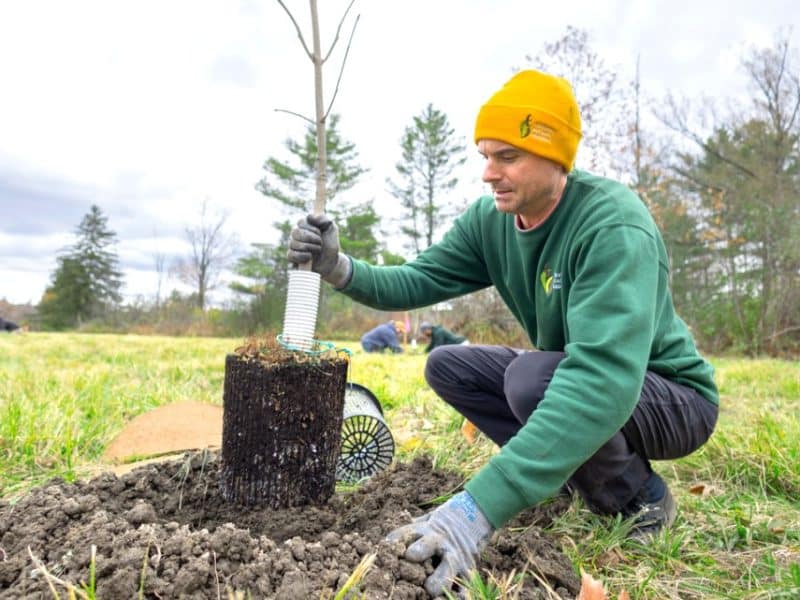
Cornell ash trees aim to beat back borer insects
Cornell plants ash trees with potential resistance to emerald ash borers, advancing statewide restoration through the Trees in Peril project.