
Cornell Community Relations staff share COVID-19 progress
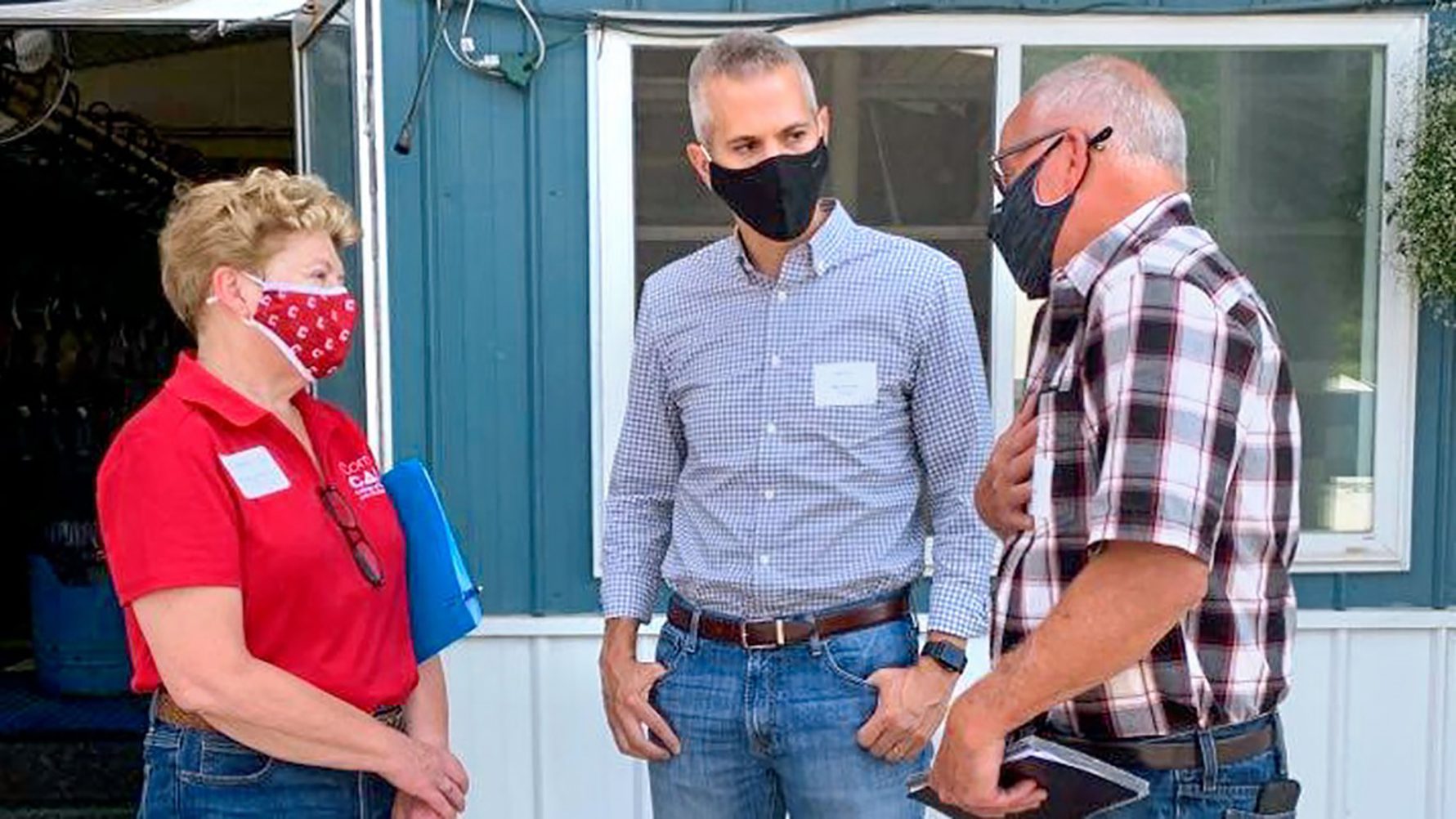
Friends and neighbors, hello again, and thanks as always for reading East Hill Notes and Tompkins Weekly.
In 1993, after working around the country and overseas, I moved to Ithaca, back to my native Finger Lakes, and wrote editorials, handled letters to the editor and organized quarterly community forums for the daily newspaper from 1993 to 2002.
I am grateful for the steadfast professionalism, solid reporting and sense of place found in this publication every week. It has been a steady, humanistic platform, especially since March 2020, when our collective worlds took a punch to the nose and changed our lives at several levels.
Tompkins Weekly has been a version of a community diary, capturing challenges, opportunities and a sense of home, through this memorable slice of history.
I have been equally impressed with the work of people from all walks of local life who have carried on through thick and thin for the common good. This includes my staff and its collective 100-plus years of Cornell experience and far more than that in terms of local life, as many of us grew up around here. As is the case with countless area employees, their jobs have changed, including, on many days, where they’ve been working, like home versus the office.
In keeping with the theme of Tompkins Weekly as a steady, local archive on our shared communities, I asked my colleagues to provide some examples of COVID-19-related work they’ve handled since March 2020 and what they’ve gotten out of the experience.
“Some of the work I have really enjoyed over the past two years has been the challenge of transforming long-standing events from in-person to virtual formats,” said Administrative Assistant Katelynne Brill. “From the high-profile Town-Gown Awards (The TOGOs), to smaller events like the Campus-Community Leadership Award and the New York State Hometown Alumni Award, each event we’ve transformed this year has been a huge success and, in some cases, has worked better being virtual. This transformation has proven to be a learning experience.”
Assistant to the Director Penny Givin said that she had minimal experience with Zoom and other virtual platforms prior to the pandemic.
“At the start of COVID, I was sent home to work remotely,” she said. “During this time, I had to teach myself how to schedule Zoom meetings with numerous people on a daily basis. I also had to teach myself how to set up and organize webinars that involved senior leadership and other Cornell staff. Having this knowledge has benefited the Community Relations office and myself in so many ways.”
Deputy Director of Community Relations Susan Riley shared how the pandemic has influenced the importance of the work she and others do.
“A variety of platforms, from Town-Gown Tuesdays to a myriad of neighborhood discussions on everything from students to testing, confirmed the importance of our work,” she said. “Our role, in part, has been to help Cornell leadership be sure messages were extended to the local community and that neighbor, business and other local concerns and questions were shared with campus colleagues. It has been gratifying that community members have sought us out throughout.”
Campus-Community Liaison Kate Supron spoke highly of the work of other community members.
“Talking with representatives on our weekly radio show, ‘All Things Equal,’ has highlighted the amazing response of our local community organizations, including the Cayuga Medical Center, Tompkins County Health Department, Meals on Wheels/Foodnet, Advocacy Center, Tompkins/Cortland 211 and many others,” she said. “Helping schedule sessions for Cornell and local leadership highlighted the importance of solid relationships and clear communications. Throughout, my colleagues and I have repeatedly prioritized outreach and transparency.”
Finally, I have been so impressed by the enhanced collegiality in all sectors of professional and volunteer work, for the common good. Since March of 2020, we have had little choice but to row in the same direction, often into a headwind, and the results have been impactful, memorable and inspirational.
Thanks to the Tompkins Weekly team for documenting a lot of that essential work along the way.
Gary Stewart is associate vice president of Community Relations for Cornell University. East Hill Notes are published the first and third Wednesdays of each month in Tompkins Weekly.
Related Articles
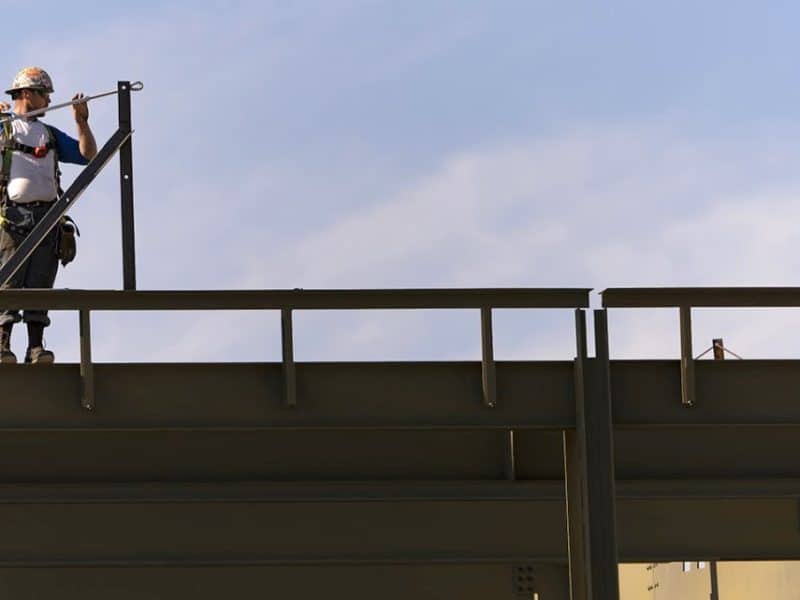
Meinig Fieldhouse built to protect iconic red-tailed hawks
The Meinig Fieldhouse hawks project shows how Cornell protected Big Red and other red-tailed hawks during construction.
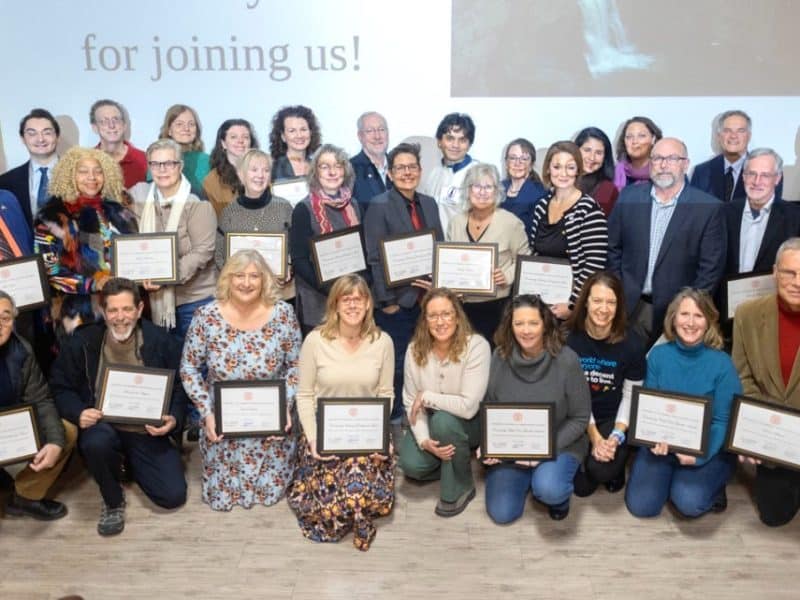
Town-Gown Awards honor housing, child care collaborations
Town-Gown Awards recognized Cornell and community partnerships supporting affordable housing and child care in Tompkins County.
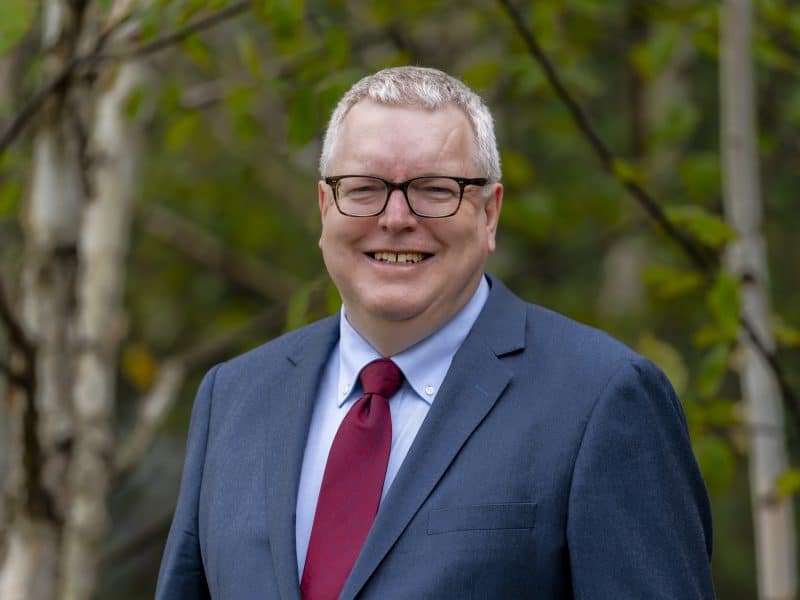
Lorin Warnick to end term as Cornell Veterinary College dean
Warnick Cornell dean Lorin Warnick will step down in 2026 after leading the veterinary college through growth, innovation, and major public health milestones.