
Cornell’s Community Work-Study Program: 50 years of Mutual Benefit
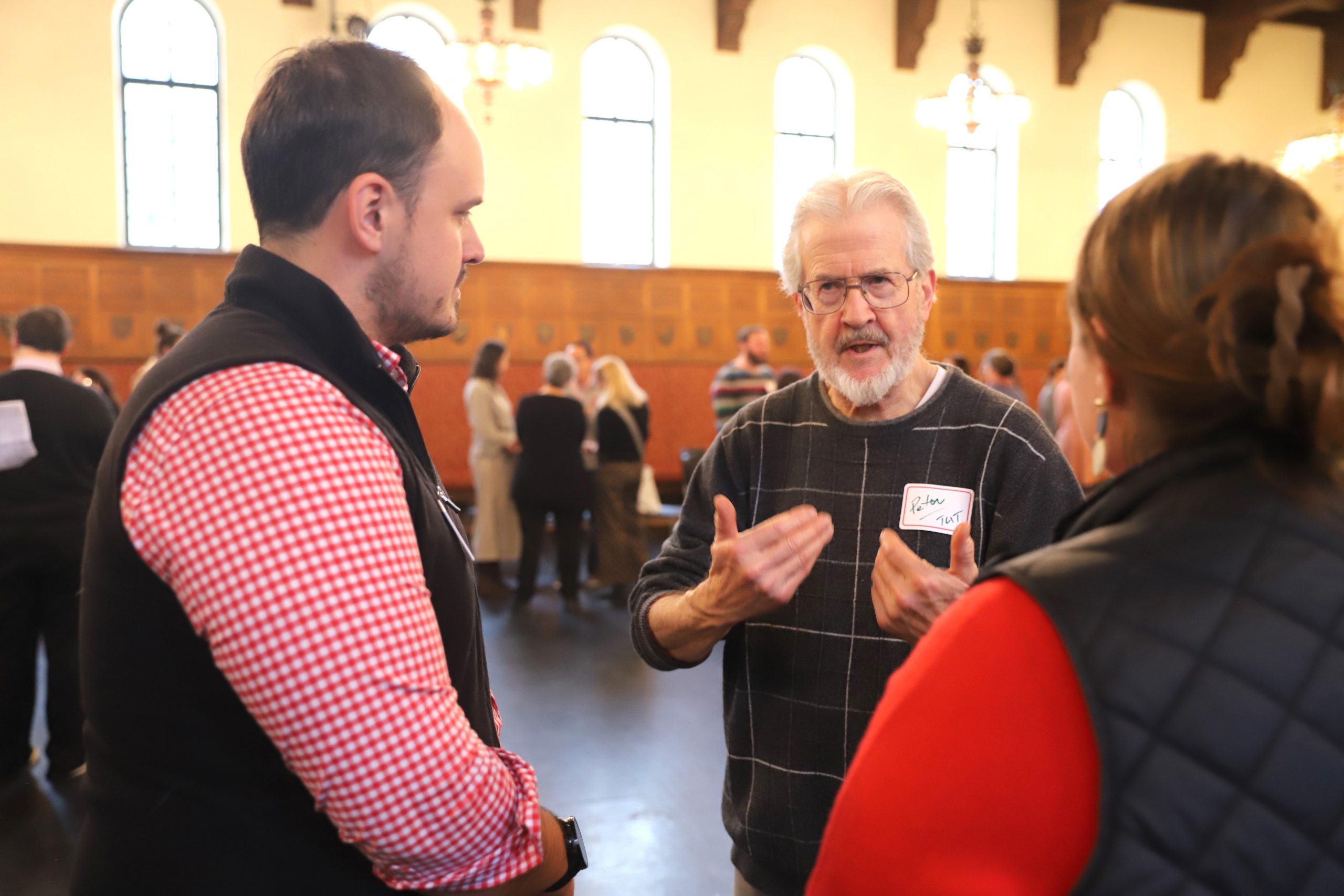
This column is a continuation of May’s column about Cornell’s Community Work-Study Program
The Community Work-Study Program (CWSP) enables Cornell undergraduates with federal work-study (FWS) as part of their financial aid package to work for local nonprofits, schools and municipalities and is administered by Cornell’s Einhorn Center for Community Engagement. Celebrating its 50th anniversary at the university this year, the program facilitates placements with about 50 community partners for some 250 students during the academic year, and for 70 during the summers. The community organizations receive subsidies of 75% to 100% of the students’ wages for jobs that improve the quality of life for community residents, with a focus on the low-income population.
An additional benefit of many jobs facilitated by CWSP is helping students become part of the broader community, said Nicole MacPherson, Cornell’s CWSP coordinator who’s based in the Einhorn Center for Community Engagement.
“It’s a chance for the students to switch gears from a Cornell focus to a community focus,” said Rob Covert ’89, chief of the Ithaca Fire Department, who has hired several undergraduates as records clerks through CWSP to help make his organization “as paperless as practical.” During one summer of full-time work, Covert estimates, they processed around 35 legal-size boxes of documents, checking that digital scans are complete and properly tagged.
“We have a massive backlog that takes up an incredible amount of space, and we lacked the bandwidth to deal with it without assistance,” he said. The work has led to increased operational efficiency, faster response times to public requests for information and more physical space for other purposes.
Covert also strives to draw students further into the community. “They’re always invited to share a meal with the on-duty firefighters,” he said. Local residents, in turn, get the opportunity to meet students as individuals. “Anytime that Cornell students and members of the community have a chance to interact, it helps with town-gown relations. I think this has been a really good partnership.”
The Einhorn Center recently conducted a survey of Cornell CWSP alumni — the results underscored the lasting impact the program has on students post-graduation, one measure of the program’s success. “Having the opportunity to leave campus and get paid to do the work that was most impactful for me was life-changing,” read one response.
There’s also evidence that CWSP experiences can have a long-lasting impact on communities beyond Tompkins County. One respondee said the program “helped mold my passion for working with children which led to me becoming a school social worker,” while another said it “changed the trajectory of my career completely. It reaffirmed my desire to enter the field of education.”
To get involved as a community employer, visit the Einhorn Center’s CWSP webpage.
The Community Work Study Program is one piece of the Einhorn Center’s extensive community engagement portfolio. The center serves as a coordinating hub that connects students with high-quality community engagement opportunities through coursework, research and co-curricular activities, and also supports faculty and staff with funding opportunities that build their capacity as community-engaged educators and scholars.
Related Articles
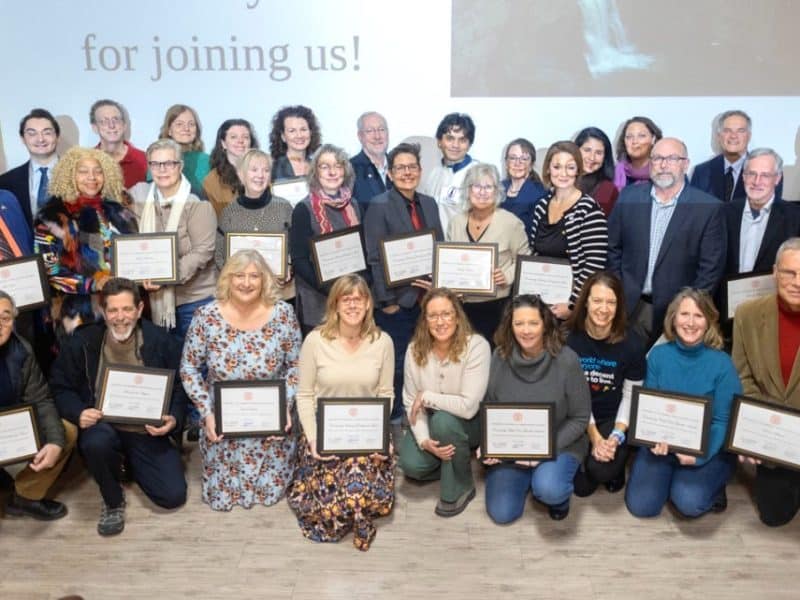
Town-Gown Awards honor housing, child care collaborations
Town-Gown Awards recognized Cornell and community partnerships supporting affordable housing and child care in Tompkins County.

Lorin Warnick to end term as Cornell Veterinary College dean
Warnick Cornell dean Lorin Warnick will step down in 2026 after leading the veterinary college through growth, innovation, and major public health milestones.
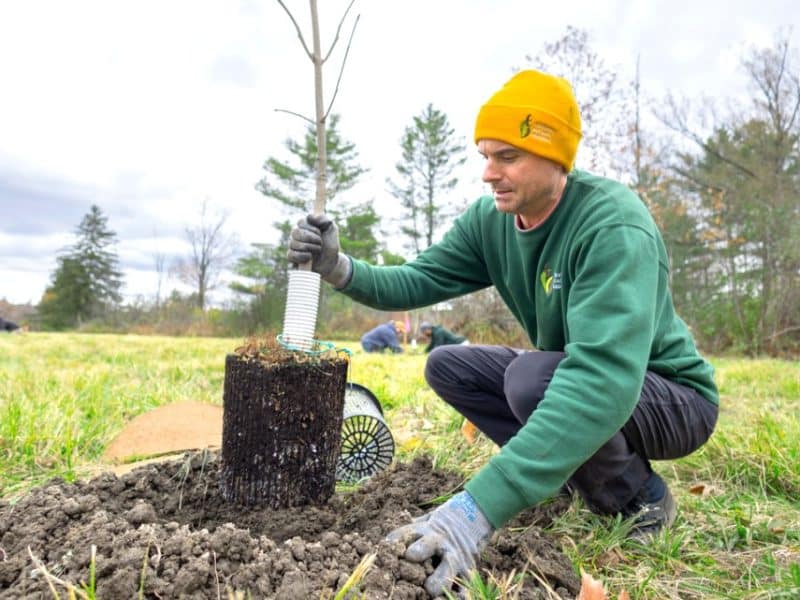
Cornell ash trees aim to beat back borer insects
Cornell plants ash trees with potential resistance to emerald ash borers, advancing statewide restoration through the Trees in Peril project.