
Cornell’s Schafer reacts to Ivy League cancellation

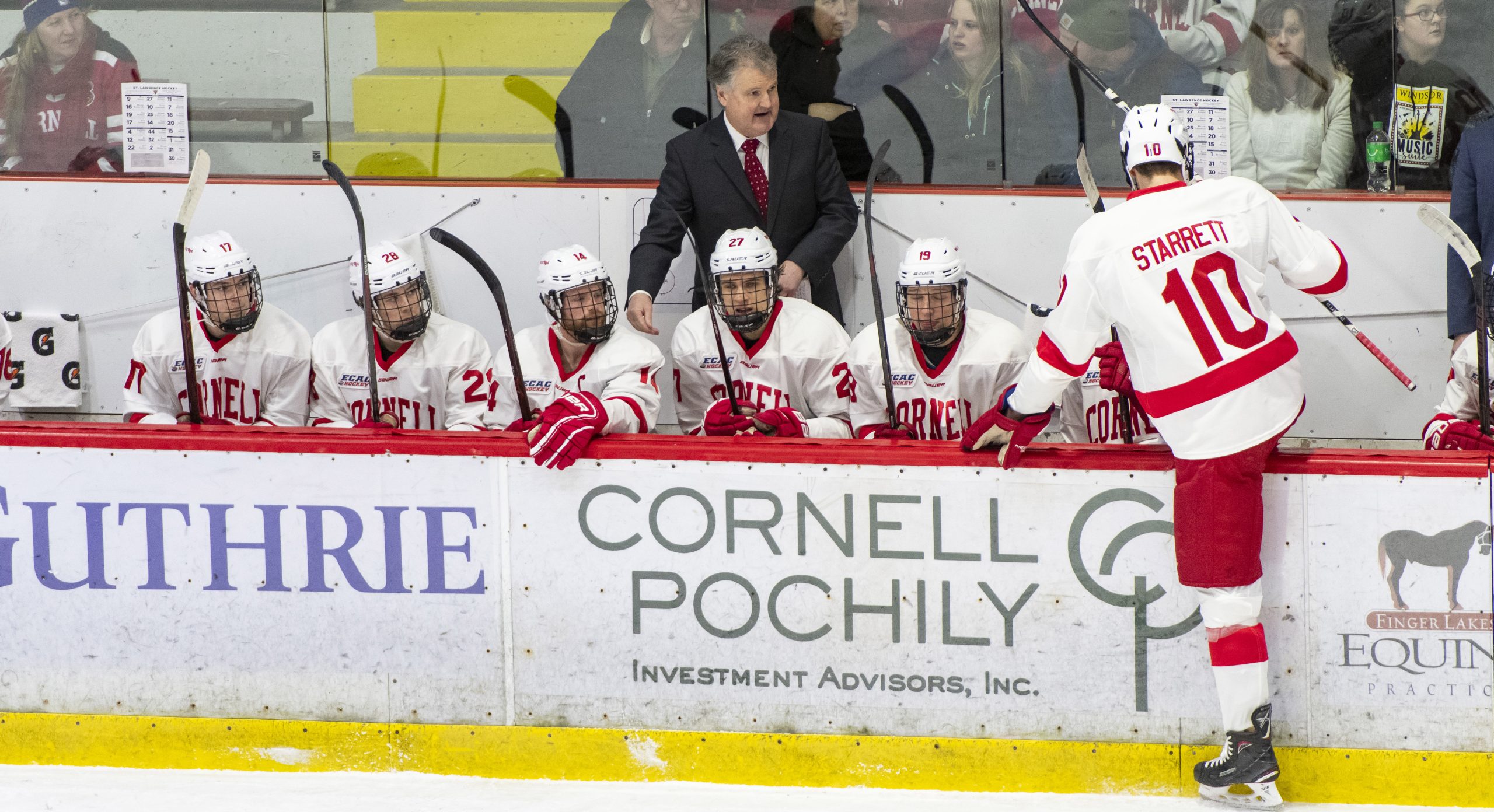
The college hockey season is underway, and Cornell University is not a part of it. The Eastern College Athletic Conference (ECAC) that Cornell hockey is part of moved forward with just four teams after the Ivy League’s recent announcement to cancel all winter sports.
The year began in such a promising way for the Big Red, with both the men’s and women’s hockey teams ranked as the best teams in the nation. Both national tournaments were subsequently canceled, and now, the players will miss out on a full season.
Men’s hockey coach Mike Schafer explained that emotions have been everywhere for the players, from frustration to anger to understanding. Part of what is making this experience so painful is that they are on the outside looking in as teams have begun playing hockey across the country.
“It’s definitely a really empty feeling to sit back and say, ‘What’s going on here with teams in our league?’” Schafer said. “They’re just an hour and 15 minutes away playing this past weekend. That’s the one that really stings is that teams that are very similar institutions, similar areas of the country, that kind of stepped forward, and they’re trying to make a goal. That’s the thing that stings the most here.”
Practices are still able to take place, fortunately, but formatting is different without any competition for essentially a full year.
“We’re sitting now almost 11 months away from the guys coming back in here,” Schafer said. “The training aspect to it takes a whole different aspect. You do team things and do that kind of teaching. Getting ready for a game and competition is nonexistent. It’s mentally taxing on these guys to know that they got to lift, they got to train, they got to get stronger, faster. But getting to do all the work and none of the fun — it’s a tough road.”
He went on to compare the experience for the players to a season-ending injury where it “seems like there’s no end in sight” while rehabbing. If Schafer had his way, Cornell would have found a way to compete without the Ivy League.
“I think some of the Ivy League schools had no interest in returning to play,” he said. “It was evident by how they hadn’t brought everybody back, how they only had one or two classes on campus. I applaud Cornell for bringing our students back. However, I wish we would have stood alone from the other Ivy League schools and made an attempt to try to play and not stuck with them where they had no intention to play.”
He went on to explain how the team could have been in its own bubble over Cornell’s lengthy Thanksgiving break with a majority of students leaving campus. But with the rise in cases across the country, Schafer wouldn’t be surprised if the NCAA ends up scrapping the season in the near future.
Schafer addressed the unique and unfortunate situation of having a promising season canceled from a coach’s point of view.
“You get two different emotions,” Schafer said. “You’re really feeling for your student-athletes. Just seeing what’s happening to them emotionally and their mental health. I can’t imagine what they’re going through doing classes at home and not being able to play. Then from a coaching perspective, there’s a lot of work to try to get all the pieces in play and get everything and just be on the verge of doing something that, as a program, they want to get accomplished just to see it just vanish into thin air.”
Schafer is now looking at 11 months without any games, so it’s back to the drawing board to see what he can tweak to keep Cornell one of the best programs in the country for years to come.
“Get back to building and just [understand] that there is absolutely nothing that we can do about it,” he said. “Get back to building and recruiting. Get back to building our guys and taking care of them mentally and getting them focused in the right direction. Starting to relook at everything that we do with our program. This might be the only time in our career that we can do this as a coaching staff. That’s what we’re going to do.”
It will be a long and arduous year without competitive hockey for Schafer and the Big Red. To go from national championship contenders to absent from competition in a span of months is a lot to handle for any program, but the leadership for Cornell hockey will ensure the team stays the course and comes back better than ever.
Related Articles

Fencing coach Ariana Klinkov: Dedicated to Cornell and the Groton community
Ariana Klinkov, Cornell women’s fencing coach, shares her journey and involvement in the Groton community.
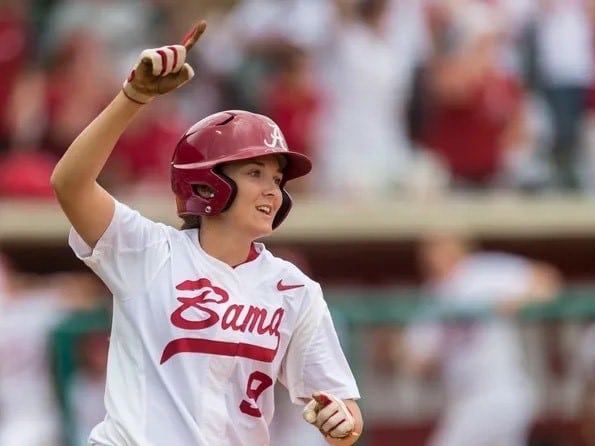
Dryden’s Marisa Runyon joins Cornell softball coaching staff
Dryden native Marisa Runyon returns home as Cornell University softball assistant coach, bringing NCAA playing experience.
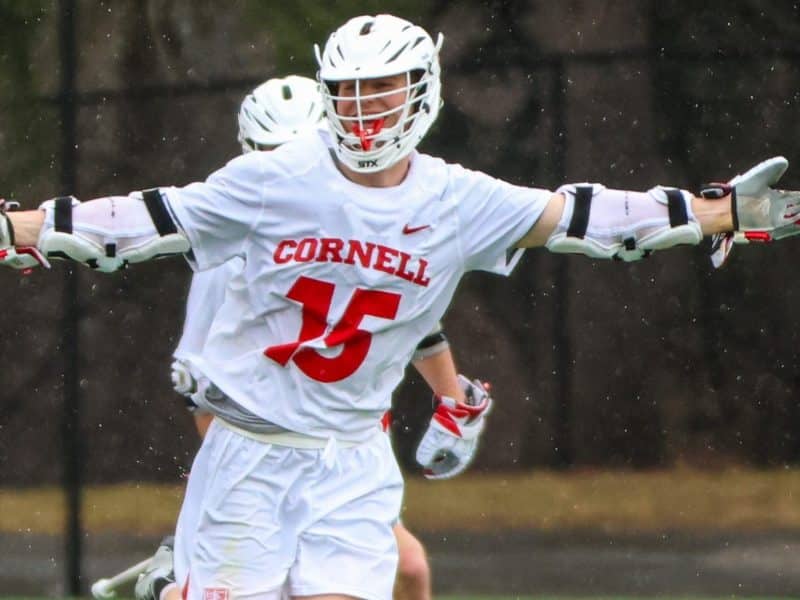
CHAMPS! Cornell men’s lacrosse wins national title
Cornell men’s lacrosse wins the national championship for the first time since 1977.