
County’s housing market reflects national trends
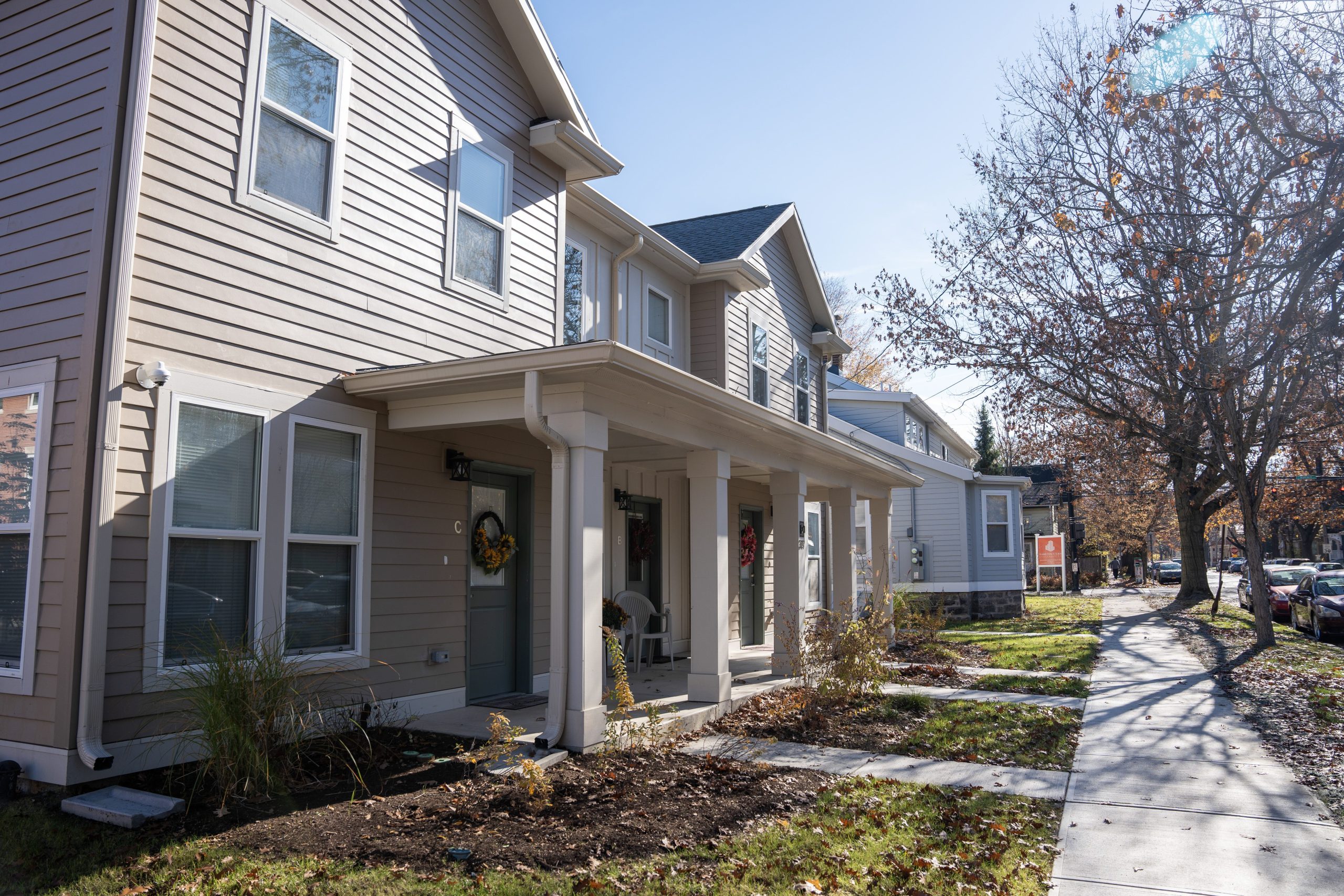
As we move into the spring homebuying season, real estate agents and buyers alike are watching the economy, which is constantly fluctuating due to increasingly high inflation, growing interest rates, geopolitical uncertainties and recession fears.
According to Tompkins County Housing, the trends the county has experienced for almost 10 years continue to persist into the 2023 housing market. The most recent records of housing trends are reflected in the “2020 Housing Snapshot” published by the county.
The snapshot is a compilation of annually tracked data on the housing market to stay on top of emerging trends and to ensure that assumptions and goals of the Tompkins County Housing Strategy remain valid.
“The Tompkins County Housing Strategy was endorsed by Unanimous Vote of the County Legislature in July 2017. Developed using information gathered through the 2016 Housing Needs Assessment, the 2016 Housing Summit, the County’s 2017 Legislature/Department Head retreat, and input from community members, this new Strategy aims to guide Tompkins County in meeting its housing needs through 2025,” according to the county website.
According to the 2020 Housing Snapshot, “The median sales price for a home increased by 10.9 percent between 2019 and 2020 from $230,000 to $255,000. The median sales price in Tompkins County is substantially higher than that of surrounding counties.”
The current median sales price for the county, according to the National Association of Realtors is $291,726, with the average monthly mortgage payment at $1,511. This payment amount is a $536 increase from 2022.
The good news is that there is a high demand for housing in Tompkins County, but the bad news is that this high demand, with a low supply of housing, is driving up selling prices. This does not mean that asking prices are drastically increasing; they have remained relatively steady and in line with assessed values. The issue is that the market is competitive, and those who can afford to out-buy middle market home-seekers are doing just that. Interest rates for mortgages are also increasing and sit at around 6%, when previously rates have rested at 3%.
“We have such a low supply of for-sale housing, and that’s been exacerbated because of higher interest rates, so now people are stuck in their homes,” said Jay Franklin, the Tompkins County director of assessment. “The life cycle of housing has stopped. The life cycle typically goes like this: You buy your first home and it’s a small starter home. You have a family, so you move to a bigger home to accommodate. The kids grow up and move out, so you want to downsize, but that high interest rate is causing people to stay in their house.”
This halted cycle is affecting the availability of available for-sale homes. With such a high demand, when homes do go on the market, they are bought quickly and often far above their asking price.
“The biggest issue is affordability as prices continue to rise. Buyers are getting pushed out of their price point, their affordable price points,” said Steven Saggese, a licensed New York state broker associate with the Warren Group of Ithaca. “For example, if a buyer can only afford $300,000 and any property coming on the market at $300,000 is escalating upward, as opposed to negotiating downward (which is typical), then these buyers are being pushed out of their price range.”
The supply of houses on the market is also a factor. According to a presentation created by Brent Katzmann of Warren Real Estate for the county and local real estate professionals, there is a one-month supply of for-sale housing to meet the demand. A stable market would provide enough for-sale housing to last five to six months before being bought and taken off the market. This stable market keeps sales prices reasonable and gives buyers time to find the home they want without pressure to buy quickly.
“We are still at historically low levels of inventory, and that is part of what keeps people from listing their homes,” Katzmann said. “Many have not been able or willing to do that because they also become a buyer at that point – and what if there’s nothing for them to buy? I think a lot of people are holding off or waiting for the market to cool off.”
Holding off from selling or buying means that rental demand is also rising, along with the cost of rent, with some new developers charging market rate to make building an apartment complex a good investment.
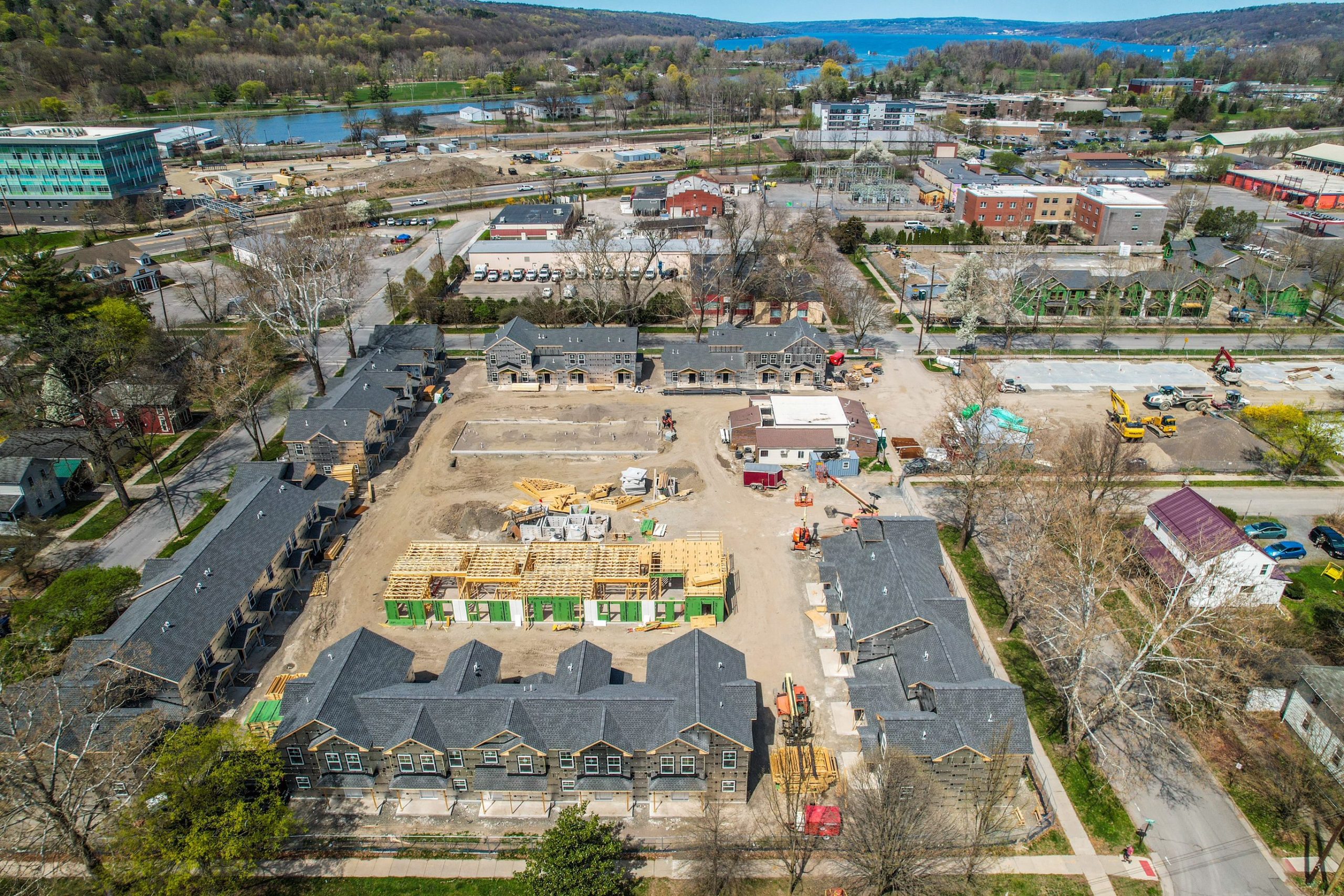
“We’ve done a great job focusing on building apartments, building wealth and investors, but we haven’t done a good job on building the infrastructure so that people can build single-family homes,” Franklin said. “It’s a huge endeavor to create a subdivision, so we’re not creating new subdivisions. All we see are little one-stop houses popping up here and there.”
Building owner-focused housing is a huge task and has many components that need to come together for a housing development to be built. Roads might need to be expanded or completely new ones might need to be built, power lines must be added, septic and sewer connections must be put in. . . the list continues. For all of these pieces to come together, there are also municipal hurdles and potential zoning blocks that can keep housing from being built.
“If we want to make housing more affordable, the one thing that we could do is to increase our supply of that,” Franklin said. “We need that to be a priority for our local government in order to be able to produce housing on a scale that will make a difference.”
While supply and the hopes of building a fresh supply of homes sit in the wings, current homeowners and buyers continue to struggle with taxes and mortgages. Tax rates have a large impact on whether or not families or individuals can afford to buy their homes.
“Reassessments also play a role here. So the county will look at anything that may have sold in the last year and use that as one data point for looking at similar property throughout the county. They’d say, ‘Well, if house A sold this year and house B looks like house A, then it probably would have an elevated value,” Katzmann said. “We would use that to estimate the current market. Overall, the assessed values increased about 10%.”
So, what does that mean? It means our marketplace is 10% higher than it was a year ago. Municipalities will then look at this information and their budgetary needs to calculate what percentage of the property’s value will be taxed. This is typically not a problem, but as municipalities’ and counties’ expenses rise, then so will property taxes.
Historically, New York state has urged counties to keep property taxes low, usually at or below 3%. However, with Gov. Kathy Hochul’s new budget, counties will have to pay more for Medicaid and must fund that increased expense. Most counties plan to do this through increased property taxes.
Increased taxes, high mortgage rates, and bidding wars have created a housing market where a family with the median income can no longer afford the median-priced homes. For many, according to Katzmann, around 50% of income would be spent on housing. This does not include food, utilities, child care costs or many other factors. However, Gov. Hochul also wants every municipality to increase their amount of housing by one percent over the next three years.
“I’m not worried about that because that’s likely to happen just from the rentals being produced,” Katzmann said. “The other side of that is there is this slight threat of the state saying, ‘If you don’t meet this goal, we have the right to come in and override your zoning laws to make it happen,’ and people would not be thrilled about that.”
Katzmann emphasized that the important thing for counties to do, especially Tompkins County, is to look at the zoning laws that are in place and see where owner-occupied housing can be built.
“We really do need to create housing, particularly because by doing that you will also build a stable financial base and have more people living here who are invested in the community and putting their time and money into it,” Katzmann said.
Related Articles
Holiday traditions bring community cheer
Tompkins County holiday traditions light up homes, farms, and schools with festive cheer and community spirit.
The gift of an experience: Local businesses offer hands-on holiday fun
Holiday experience gifts in Tompkins County include candle making, gourd crafts, and pottery workshops for creative seasonal fun.
Code Blue shelter opens amid praise, concerns and ongoing debate
Ithaca’s Code Blue shelter opens with larger space, showers, and case management to help residents during cold weather.