
COVID, staffing shortages continue to limit summer programming

Prior to the pandemic, many families throughout the county looked forward to summer, especially the wide range of summer camps and programming for their kids and teens. Unfortunately, COVID-19 upended that, severely limiting the summer programming and camp options in 2020 (see tinyurl.com/2l8g2pac). 2021 saw some improvement, and this year has seen an even closer return to normal, but plenty of challenges remain.
Tompkins Weekly spoke with providers and local leaders to see how this summer’s offerings compare with past pandemic years as well as what hurdles many are still coping with. As they explained, factors like staffing shortages have continued to limit the programming community groups can offer families.
Progress
Generally, child care and summer camp providers reported significant progress compared to 2021 and especially 2020.
“In the first year [of COVID-19], there was significant restrictions on group size,” said Heather Mount, executive director of Coddington Road Community Center (coddingtonroad.org). “And so, at that point, we were able to obtain a grant to purchase additional tent shelters that we use for our camp anyway. … Now that the pandemic restrictions have been released, we actually have increased the original shelters back to their pre-pandemic level and have used those additional shelters for overflow. So, we’re actually able to take more children than we used to.”
Summer programming and camp enrollment has also greatly increased compared to past years. Teresa Morehouse, interim CEO at the YMCA of Ithaca and Tompkins County (ithacaymca.com), said she’s seen increased enrollment at YMCA’s summer camps.
“In 2021, we had around 25 to 30 children in camp for nine weeks last year,” she said. “This year, we have 40 kids in 10 weeks of camp. We’re doing very well with very good enrollment this year. And we’re seeing some new children, some returning kids that were in after-school programs.”
While the pandemic is ongoing, sources said that they’ve made lots of adjustments to accommodate safety protocols and are better prepared to adapt to any future issues.
“Everyone on our team has become much more comfortable and expert at effectively using technology,” said Julie Dale, CEO of Girl Scouts of NYPENN Pathways (gsnypenn.org), which locally runs Camp Comstock in Ithaca (facebook.com/campcomstockgs/). “We ‘learned by doing’ using Microsoft Teams for our staff to communicate and meet virtually daily. … We also learned that we can effectively and efficiently work from home and have closed some regional offices over the past two years to further save funds.”
Providers’ and leaders’ hard work and willingness to adapt haven’t gone unnoticed. Sources reported practically universal gratitude from community members, especially families.
“We have never heard so much about how much people in the community value the programming that their children are involved in, missed the programming, how grateful they were when we were able to get back up and running,” said Liz Klohmann, director of the Ithaca Youth Bureau (ithacayouthbureau.org). “They’re doing things they haven’t been able to do in a couple of years. … And you just see their faces light up and their excitement. And that brings me joy.”
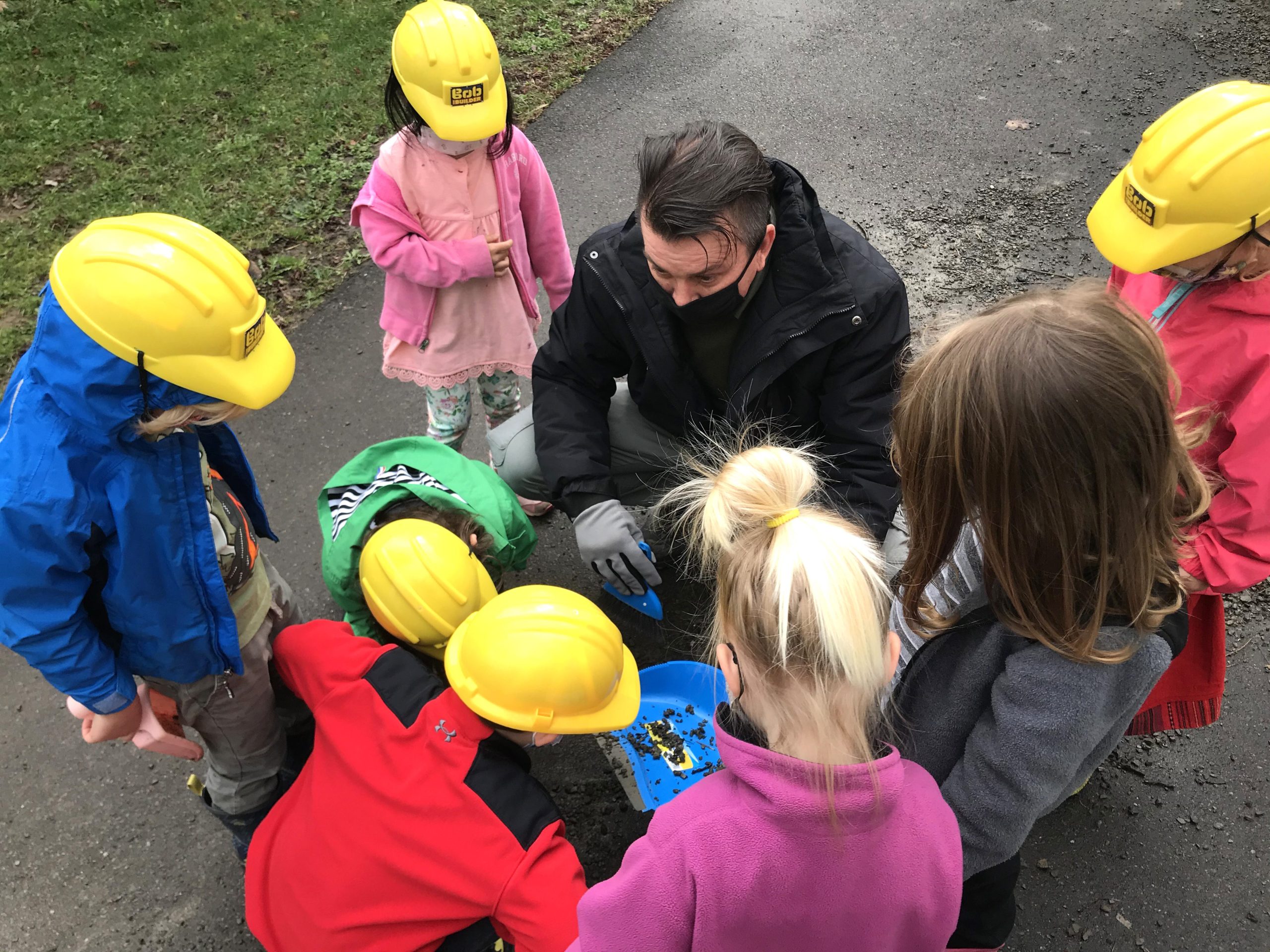
At the Greater Ithaca Activities Center (GIAC, cityofithaca.org/327/Greater-Ithaca-Activities-Center), Youth Program Coordinator Brandon Blas said he’s received great feedback from families, particularly in regard to GIAC extending the length of time kids stay at GIAC per day.
“We’ve been receiving a lot of positive feedback [for] extending the day — giving that one less thing for caregivers to worry as far as the financial difficulties that they’re having to worry about trying to pay an additional fee for after-camp care — and our fees not changing as well,” he said. “We haven’t raised our fees either. So, that’s been very helpful for caregivers, having a place that’s affordable, that works for the length of time they need to have child care for and the quality of programming that we offer as well.”
Challenges
Despite the progress many have seen, as alluded to previously, there are still a plethora of difficulties holding providers back, the biggest being staffing. Ann Turcsik, child care specialist with the Child Development Council (childdevelopmentcouncil.org), explained that back in 2019, the federal government issued new requirements for child care providers, such as comprehensive background checks, additional training and fingerprinting (see tinyurl.com/2nbghkbs).
“With the comprehensive background checks, all the extra training, just across the board, it’s been a lot of additional work to help, especially for providers that have been providing care, and everything has changed,” she said. “So, it’s a lot more paperwork, a lot more time, a lot more testable systems. But that’s what we’re here for.”
Those extra hoops to jump through is just one of the reasons why many providers are dealing with staffing shortages, some so severe that they have to limit or entirely cancel programming.
“I believe our biggest challenge is attracting highly motivated team members to work at our council and camps,” Dale said. “This year has been unprecedented in the lack of interested young adults looking for work. I know we’re not the only organization or industry facing this.”
In Camp Comstock’s case, staff levels are so low that the entire 2022 camp had to be canceled, which was disheartening for many in the Girl Scouts NYPENN team.
“It was with an extremely heavy heart that we made the very difficult decision in early June to cancel sessions at Camp Comstock this summer,” said Jamie Alvarez, senior director of marketing and communications. “Thankfully, we were able to move any registered campers to overnight sessions at our other properties or refund them. … It truly was the perfect storm of many factors, but ultimately that gap Julie talked about with having a big lack of interested and qualified young adults to work with our year-round outdoors teams to provide the staffing required to safely and successfully run the programs at Comstock this summer.”
At the Ithaca Youth Bureau, Klohmann said that lifeguard shortages have forced the bureau to cancel its usual swim lessons.
“Even pre-COVID, there was a lifeguard shortage nationally, and COVID just really highlighted it, if you will,” she said. “And so, pools across the country are struggling, and we’re no different. We do not have enough staff to offer swim lessons. And typically, we have swim lessons offered every morning, and one of our day camps, all the children would receive a swim lesson. We’re not able to do that this summer. And that’s a purely a staffing issue.”
At Ithaca Waldorf School (ithacawaldorf.org), School Director Laura Hayes explained that while staffing shortages haven’t reduced programming, it has held back expansion efforts.
“We had hoped we could open up a grade summer program where older students could join, but we actually are lacking teachers,” she said. “I think that’s what COVID brought is the lack of faculty. Everyone is pretty spent after these years. These last few years, I think, not only on the students did it take a toll. It’s really also the teachers who [deal with] all these extra precautions, the higher alert and awareness. I think it just takes a toll on everyone.”
Kate Shanks-Booth, director of the Tompkins County Youth Services Department (tompkinscountyny.gov/youth), said that though it’s unclear exactly why there are such widespread staffing shortages, wages, like increased restrictions, are definitely a contributing factor.
“I think a lot of industries and a lot of labor markets are having the same problem, where it’s difficult to find someone to work when you can … go to Dunkin’ Donuts and make $16, $17 an hour,” she said. “And so, they’re competing in a labor market [where] they can just make more money in other spaces. And just that million-dollar question at this point — where did all the workers go? So, I think we will slowly over the next few years probably see that wane and the numbers probably will come back. But, right now, the camps have done several job fairs.”
Aside from staffing, some providers shared challenges related to the pandemic, but those have been far less impactful compared to 2021 and 2020. Other sources reported issues related to rising costs and supply shortages, particularly those who are working to expand or improve their offerings. At GIAC, for example, Blas said opening the pool has been delayed due to some supply issues for parts.
“We were waiting for our pump to get replaced, and the pump actually made it, but they had an issue with the pump when they were getting [it] installed,” he said. “It had to get shipped out for repair, so that’s kind of delayed us opening our activity pool, but I was able to connect with Cass Park and Ithaca City School District. … So, right now, we have half the camp going in one day, the other half on the other day.”
Looking Ahead
With these challenges in mind, sources offered several possible and existing ways to help make providers’ and families’ lives easier. Some developments coming up include an income eligibility increase for child care assistance through the Department of Social Services and more state aid for the child care sector (see tinyurl.com/2nbghkbs for more information on state aid).
“We’re expecting for many more people to be applying because of the income eligibility is going up significantly,” Turcsik said. “So, we’re expecting hopefully, some of the camps will have more children that will enroll with them, if they’re open for the month of August, and hopefully, we will see just more subsidy being used here in the county, and families will access that because maybe families before that were just over the income limit now will be eligible. So, we’re hoping for an uptick and that’s what we’re hoping we’re going to see.”
Beyond that, sources shared more they’d like to see done, especially increased aid and education about the needs of the sector. Mount said that “child care needs to be seen as a public need,” but right now, it isn’t. She drew special attention to the state’s intention to improve wages for child care workers and how lack of financial support for that change could negatively affect providers.
“One of the other ideas that they have is to send money that will be able to help increase salaries for early childhood staff,” she said. “That’s a fantastic idea at the start. The terrifying back end is that if that funding is only one time or short term, then we have to deal with the sustaining those increases in costs long term. And the only way we’ll be able to do that is if we increase tuition. So, I think that local, state, federal level, all around, I think they need to look at the long term need to invest in early childhood, rather than the short-term, Band-Aid solutions that they’re looking at right now.”
While sources await action from the state and federal levels, several said that there is something that residents can do to help — apply.
“If you’re somebody who is looking for a summer job, or somebody [who] used to work in a summer camp, just consider, reach back out,” Shanks-Booth said. “I think there probably was some concern about going back to work and working with kids. We in Tompkins County have a pretty high vaccination rate for our youth. We do have some youth from surrounding counties that come to our camps, and those numbers for vaccination rates aren’t particularly as high as ours. And so, the camps last year put protocols in place and had really good turnout.”
Jessica Wickham is the managing editor of Tompkins Weekly. Send story ideas to them at editorial@VizellaMedia.com.
Related Articles
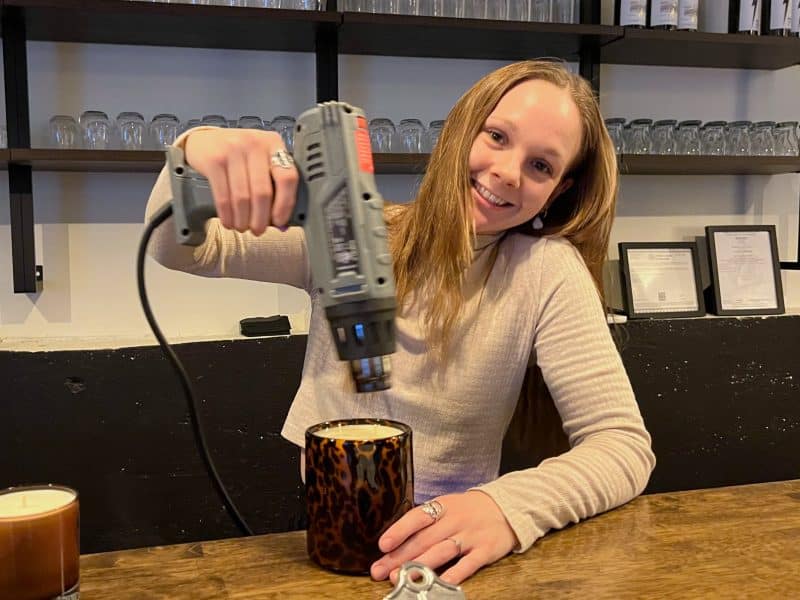
The gift of an experience: Local businesses offer hands-on holiday fun
Holiday experience gifts in Tompkins County include candle making, gourd crafts, and pottery workshops for creative seasonal fun.
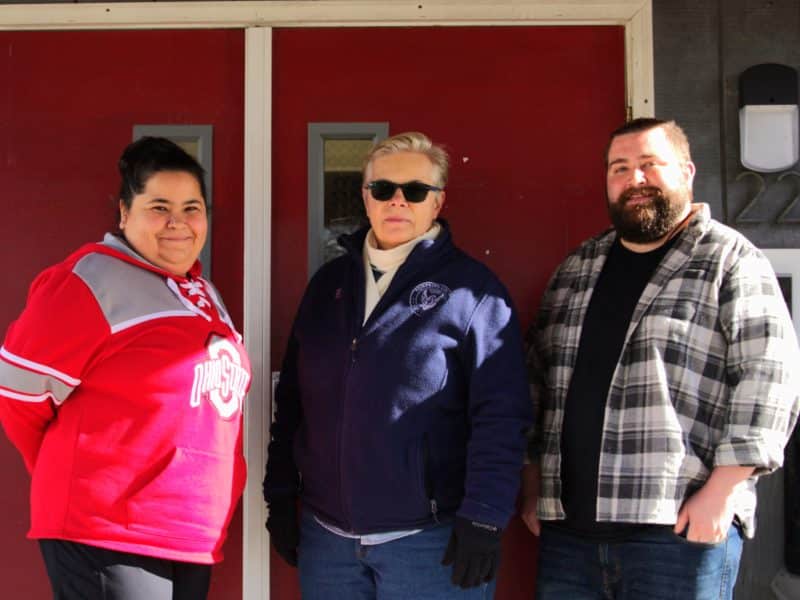
Code Blue shelter opens amid praise, concerns and ongoing debate
Ithaca’s Code Blue shelter opens with larger space, showers, and case management to help residents during cold weather.
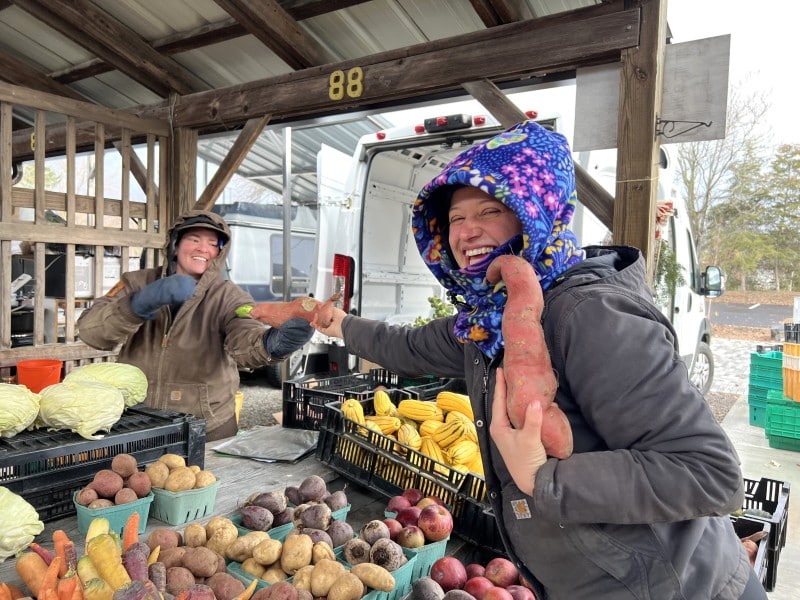
From the market to kitchen to trails, community gives thanks
From free meals to Turkey Trot and farmers market, Ithaca Thanksgiving community giving highlights generosity across the city.