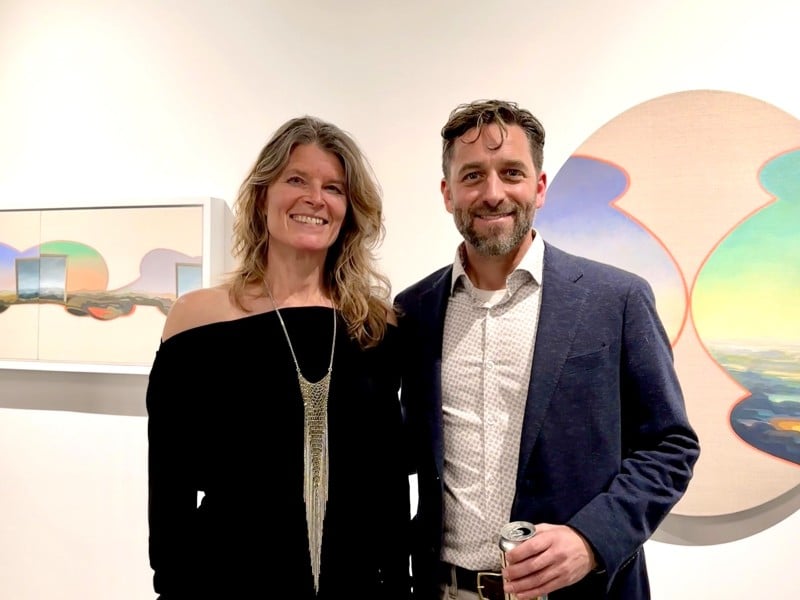
Dasha Dimke, Suddenly Gone
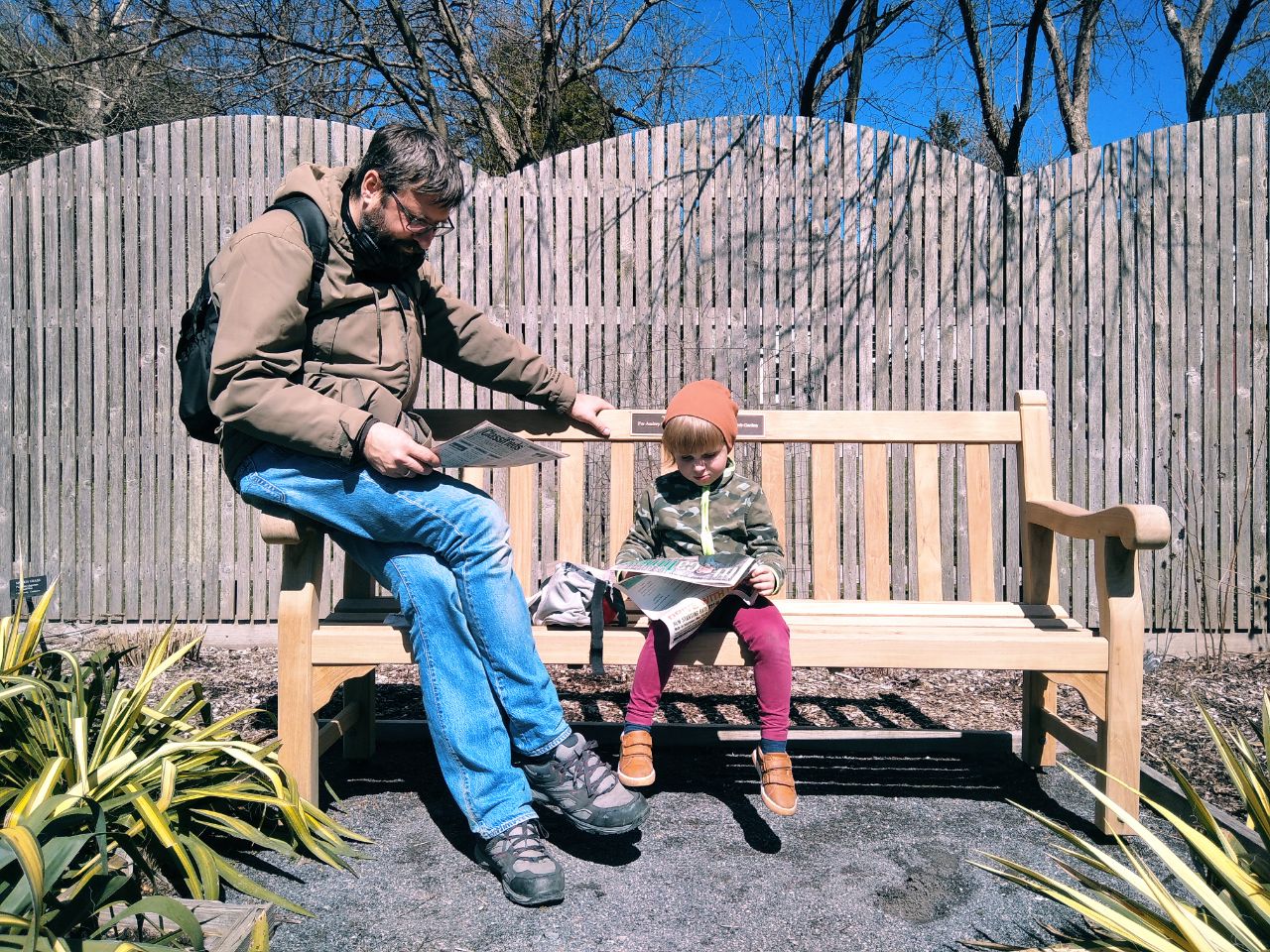
Dasha Dimke’s paternal grandparents met and fell in love in a transitional concentration camp managed by the Gulag, a Russian agency. Dasha’s grandmother was a Jewish survivor, and her grandfather was a Russian German, who was exiled to the “camp,” along with approximately 1 million others, after World War II began.
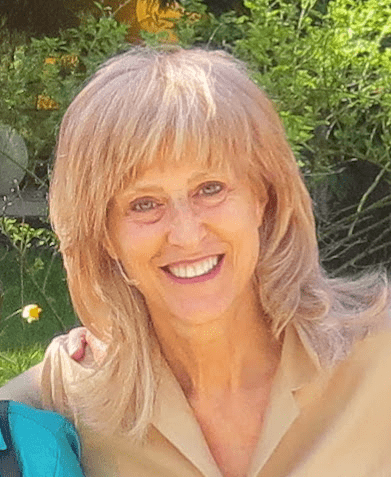
After Dasha’s grandparents married, they relocated to a village, near the city of Irkutsk in Siberia, beautiful and remote, about 4175 miles from Moscow, the capital of the USSR. Dasha and her younger brother, raised by their grandparents, relished the freedom and the culture in Siberia, a region of Russia, on the continent of Asia.
Dasha met her future husband Kirill Titaev when they both worked on a research project on the lives of people living on the border between Mongolia and Russia. They both studied and became researchers and scholars at the European University at St. Petersburg, about 4233 miles from Siberia.
After Kirill and Dasha married they reveled in their lives —They loved working and living in St. Petersburg, raising their young son, Mark (named for Mark Twain, since they both read and loved many American authors) and traveling frequently to international meetings in Lviv (Ukraine), Boston, and Venice. Kirill, a sociologist and commentator on the interplay of courts and society, women and policy, and Dasha, a well-respected, sought after anthropologist, with one non-fiction book and two collections of short stories to her credit. This young couple happily juggled their parenting, partnering, teaching, and researching. That is, until Russia invaded Ukraine.
When a draft notice came in the mail addressed to Kirill, the young parents made life-changing decisions in a tiny amount of time.
“People who protested the Russian Invasion are now in prison or fled the country, if they could get out, or they have remained silent. To leave Russia, one needed a passport, visa, and money for a ticket,” Dasha said. “We were lucky. We had a passport, a Shengen visa (for travel in Europe) and a friend with a car, who was ready to take us to Finland. We packed our bags and in four hours we left our lives behind us.”
This young family settled in Finland. A lovely European country on the edge of Scandinavia, many times invaded over the centuries, Finland is the most recent country to join NATO, doubling the NATO borderline with Russia.
“We needed a job and we frantically searched for it. We sent letters to many colleagues. If we didn’t have a little son, it would be easier. We didn’t have time to hope or despair, we only had time to act,” Dasha said. “When Kirill received a letter stating that Cynthia Grant Bowman from the Cornell Law School was ready to invite him as a visiting scholar for a year, it was a miracle. “
When they became concerned with the length of time processing a visa to the U.S. was taking, they made the tough decision that they must quickly attempt another strategy. With no advocates, no embassy support, no income, they packed their scant possessions and relocated to Estonia. Formerly part of the Soviet Union, and across the Baltic Sea from Finland, Dasha and Kirill hoped their dwindling savings would last longer there.
In the meantime, the brutal Russian invasion of Ukraine grew more horrific, young Russian men drafted to fight were increasingly wounded and killed. A mass exodus of an estimated 900,000 Russians left their country by October 2022.
Dasha recalls boarding the plane for the U.S.“It’s hard for me to describe my feelings. Because everything was so fast, so painful and so scary. I never thought that we would have to run away from home. I never thought such a war would be possible. I was scared for everyone: for Ukrainians, Russians, friends, those who will die and those who are dying. And I had no idea what awaits us in Ithaca.”
In November 2022 Dasha and family arrived in Ithaca, thanks to Cynthia Grant Bowman, the Dorothea S. Clarke Professor of Feminist Jurisprudence at Cornell University’s Law School, and her colleagues, who extended an invitation to Kirill and his family to come to Ithaca.
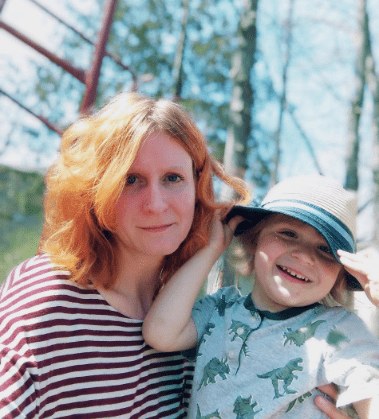
Dasha cannot say enough about the preparations Cynthia Bowman orchestrated — housing in walking distance to stores on a bus line, referrals for daycare, among the many offers of support. But daycare is free in Russia and affordable in the countries in which this couple have worked. Here, Mark’s part-time daycare exhausted a large part of the family’s income. A medical exam, required for admission to daycare, cost $500.00. Visiting immigrants are not eligible for Medicaid, and the insurance that would be available to refugees is very expensive. Even with all the good fortune, to be strangers in a strange land is unpredictable, challenging, lonely, arduous. None of which Dasha mentions.
“When we arrived, everybody helped us. They gifted us dishes, cutleries, linens, blankets, and everything that you need in the new home. Cynthia and Betsy organized the everyday life of our family to make it so comfortable. Additionally, they connected us with a very friendly and supportive Russian-speaking community in Ithaca. Ithaca became an incredibly nice place with incredibly friendly people to us. We have never thought before that any space could be so nice for newcomers.”
Even though Dasha and Kirill have impressive mastery of English, spoken and written, Dasha was eager for more verbal language practice, to enhance their sudden transition into American lives.
“Betsy Kafka Hillman introduced me to Open Door English, in downtown Ithaca, where I study English as a Second Language. Betsy paid for my classes. It was the best birthday present I have ever received.” Dasha, whose spoken English is delightful, practices conversation to enhance her job prospects, and so she can assist her son Mark, as he learns a new language in a new land. “Mark and his best friend in daycare, who is Chinese, mostly speak with their hands.”
“Everyone at Open Door English is so welcoming. The teachers are very skilled professionals, and my fellow students are lovely. Other students speak Arabic, Korean, Chinese, Russian, Mandarin, Polish, Spanish, Portuguese, Italian and many different languages…ODE is so much more than building language skills. It’s about Building Community.”
As we read about this beautiful, accomplished suddenly refugee family, they have begun the demanding, anxiety-producing task of finding jobs, so that they can stay in the U.S. We wish them well, and we hope their story will inspire other Ithacans to consider sponsoring persons who must flee their homeland.
Before Dasha, Kirill and Mark head off to their next temporary home, Dasha may share more details about Open Door English, so that we can support this outstanding program for other newly arrived families.
Related Articles
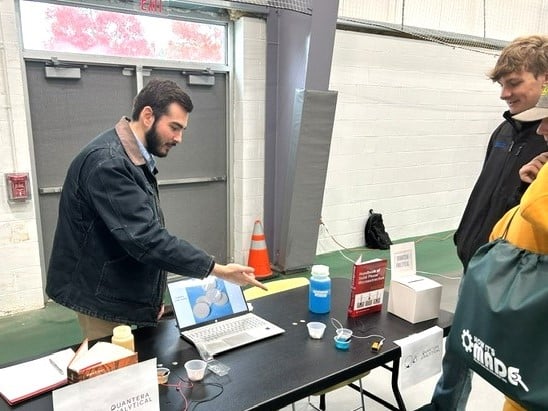
Quantera’s new tech promises faster, safer chemical testing
Quantera Analytical is developing faster, safer chemical testing technology in Ithaca with roots at Cornell University.

“A Silent Force”: Gail Belokur brings creative leadership to the United Way
Gail Belokur, a Hometown Hero, brings compassionate and creative leadership to the United Way of Tompkins County.