
Demand for mental health services continues to increase
Editor’s Note: A previous version of this story listed the incorrect number for the Mental Health Association in Tompkins County’s Warm Line. The number has since been corrected at the end of the article.
A year ago, in honor of National Suicide Prevention Month, Tompkins Weekly looked at the ways the pandemic was affecting Tompkins County residents’ mental health, but a lot has changed since then.
In 2021, the county continues to struggle to meet the steadily increasing demand for mental health services. As providers describe, COVID-19 has had both direct and indirect effects on residents’ mental health, and keeping mental health at the forefront will go a long way in helping the county fully recover from the pandemic.
Increased demand
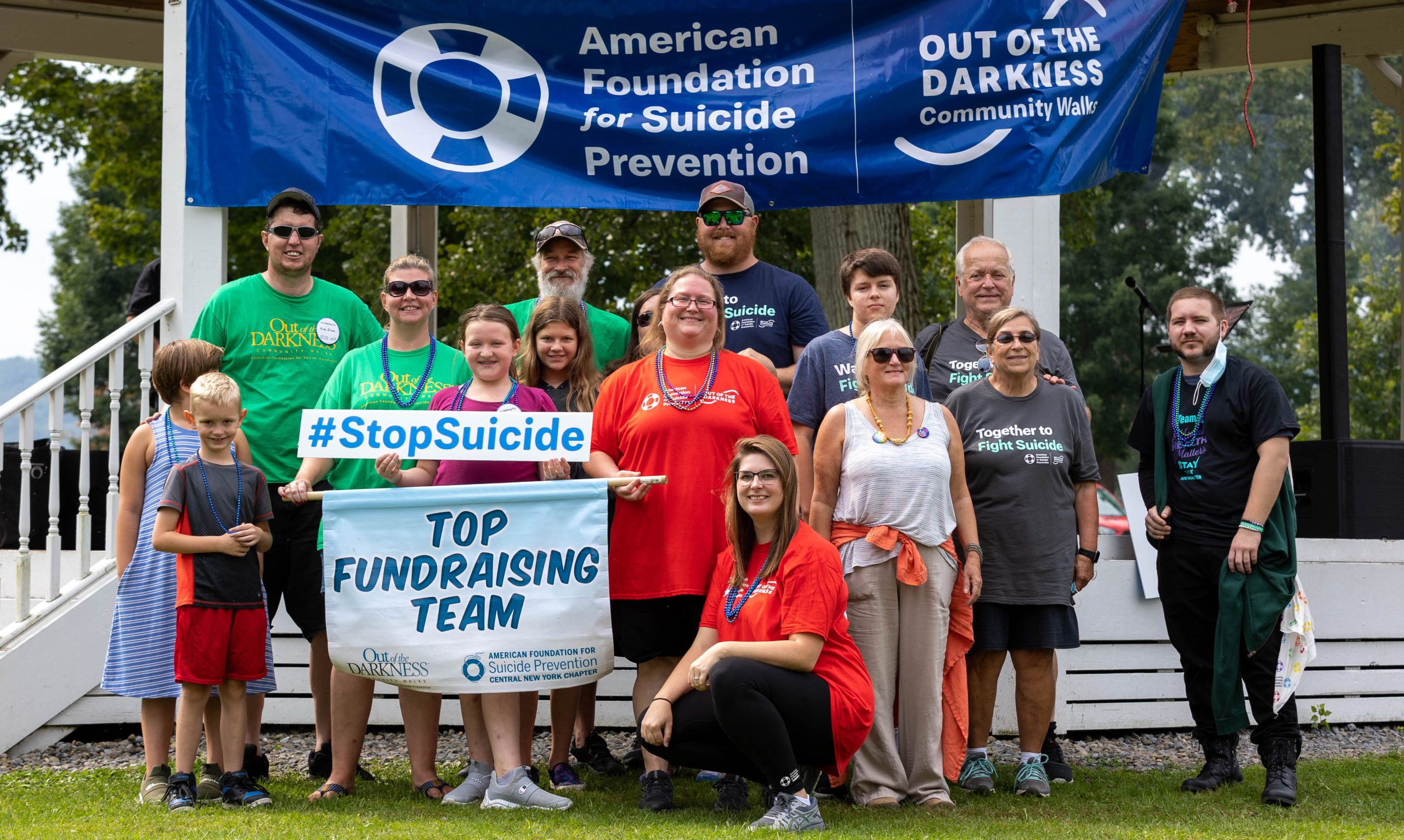
Across the board, mental health providers throughout the county have seen a significant increase in demand for their and others’ services. Karen Heisig, associate area director of the American Foundation for Suicide Prevention’s (AFSP) Greater Central New York Chapter, explained some of the trends she’s encountered.
“More people were reaching out to the numbers like the National Suicide Prevention Crisisline,” she said. “We saw an increase in overdose, and we saw an increase in domestic violence. So, it wasn’t just suicide in particular that has been affected in the last year. … People are waitlisted for a long time, and not just in Tompkins County, but everywhere. It’s very hard to get in with a therapist or somebody. So, there’s definitely a need out there.”
As far as why the demand continues to increase, providers offered a few answers. First, the pandemic has created additional stressors for residents, leading more to seek care and worsening the conditions for those who already struggled with their mental health.
“Some of the people that are newly engaging with the system are talking about, ‘I lost my job,’ or ‘I’m not sure if I’m going to lose my job’ or ‘in order to do my job, I have to do X, Y and Z now that I didn’t before’ or ‘we’ve been struggling in our family and now, we’re together more, and being together more is bringing forward the challenges that we had, making them more acute for us to deal with,’” said Frank Kruppa, Tompkins County mental health commissioner. “So, I think it’s a wide range of issues that folks are facing.”
Further complicating the situation is the rise of the Delta variant in the county. Jenai Rossow, a licensed clinical social worker, said that the COVID-19 vaccine was “a ray of hope” for many residents, but “the rise of the Delta variant has put people on edge again.”
“They don’t know what to expect,” she said. “We have this huge spike in cases in Tompkins County, but people are still expected to go to work, kids are still expected to go to school, extracurricular activities are still happening. And people are really unclear about whether or not those things are actually safe to do now that we’ve had the variant and it’s still ongoing and how that relates to the vaccine.”
Beth McGee, executive director of the National Alliance on Mental Illness (NAMI) Finger Lakes, said that she’s seen the effects these changes have had particularly on the younger population.
“One of the things that I think is really difficult right now is the fact that children are really bearing the burden of this pandemic in a way no one else is,” she said. “They have no control. They have no say over their lives, really. And they just have to do what they’re told, and then figure out how to manage it and cope with it. And then, we don’t support them with any services and care that speaks to the trauma that they’ve experienced and are experiencing now.”
Another factor is the decreased stigma surrounding mental health, as Melanie Little, director of youth services at the Mental Health Association in Tompkins County (MHATC), explained.
“Talking about mental health has become a lot more normalized because everybody’s in it,” she said. “We’re all facing really high levels of stress because of everything that’s been going on. So, whether that means people are more interested in doing preventative actions in order to protect their mental health, or people are really struggling and reaching out for help, I think that those things have become a little more normalized, so that has also contributed to the increase in demand.”
Providers said that the reduction of this stigma is a silver lining of the pandemic’s effects on the county’s mental health.
“We are seeing a lot of people, thankfully, reaching out and asking for help, making calls that they may have been thinking about making for months and have not yet done but are now feeling comfortable to do,” said Dr. Aaron Rakow, owner of MindWell Center in Ithaca. “And there are so many providers in our region that are providing excellent care and are being able to accommodate a lot of those needs.”
Services, providers adjust
The prevalence of the COVID-19 vaccine has meant that most providers have finally been able to expand their offerings, particularly in-person services, while still maintaining many of the virtual offerings put in place last year.
“Everyone has quickly moved online — and many of us are never going back to an office again,” said Richard Gallagher, a licensed marriage and family therapist. “And everyone, from public mental health agencies to people in private practice, worked very hard to maintain access to care in this community throughout this pandemic.”
At Suicide Prevention and Crisis Service (SPCS), Executive Director Beth Harrington said that her organization is continuously working to expand the hours of its crisisline to 24 hours a day, seven days a week.
“Right now, it’s 15 hours a day, but seven days a week,” she said. “How fast can we train people? [Some] people … pick it up really fast. … And then, there’s others that after a while, it turns out, that’s not what they need to do. So, we do have other volunteer opportunities within the agency, but it’s a staff issue, and to their credit, they’re wonderful. And the volunteers we get are just really caring people that want to help. And that’s what we do.”
At MindWell Center, Rakow said he and his staff are focused on getting care to the community using a wide variety of methods to help increase accessibility.
“We’ve been utilizing much more of what we call teletherapy options over the past, I would say, one to two months, in particular, as we’ve seen the Delta variant increase,” he said. “We’re also thinking about how to innovatively get into the community so that people are less and less required to come to our offices, either virtually or in person. And instead, we are putting ourselves and our clinicians into places where people already are every day, so, schools and institutions of higher ed and private companies, and even municipal governments.”
Though providers remain dedicated to meeting the county’s mental health needs however they can, it can still be stressful to try to take care of themselves as well as others. Dr. Erin Forquer, a counseling psychologist at MindWell Center, explained the experience she and others she’s spoken to have had.
“Both therapists and just health care workers in general have been through a lot,” she said. “We’ve held a lot of people’s pain and struggling and fear and loss and grief. It’s really helpful to work with other therapists, though, because they really can keep you in check. They notice if you are acting differently, if you’re not as social, if you’re staying in your office for lunch. … We try to keep each other in check in a supportive way.”
At SPCS, a crisisline counselor who asked to be identified as J spoke to the importance of crisisline volunteers maintaining their own mental health.
“Shooting for being a 24-hour service means that there needs to be enough staff so that folks don’t get burned out and we end up losing staff that, otherwise, would have stayed on,” J said. “It’s not the kind of thing that you can really just do eight hours a day and go on with your life. It’s something to be taken really seriously. And we want to be at our best, too; we want to be able to be there and present for each person that calls for every moment that goes by in that call.”
More is needed
As county providers work to increase their services, many said that there’s more they would like to see done to further address the county’s mental health challenges. For one, providers said that mental health in general needs more financial investment at every level, and there needs to be particular emphasis placed on increasing services covered by insurance, Medicare and Medicaid.
“A lot of us have established relationships with clients via telehealth, which has been a great help in terms of servicing people who are not in your direct area,” Rossow said. “But what has happened is that a lot of the emergency protocols that have been put into place to allow people to see people virtually have expired. … And so, there have been clients that I’ve seen over the past year who have now gone back to college face to face or are located in a different state.”
Several sources also drew attention to the wide array of resources in the community and the collaboration that exists between providers. SPCS Office Communications Assistant Vanessa Taylor said that that was a big reason why she joined SPCS in the first place.
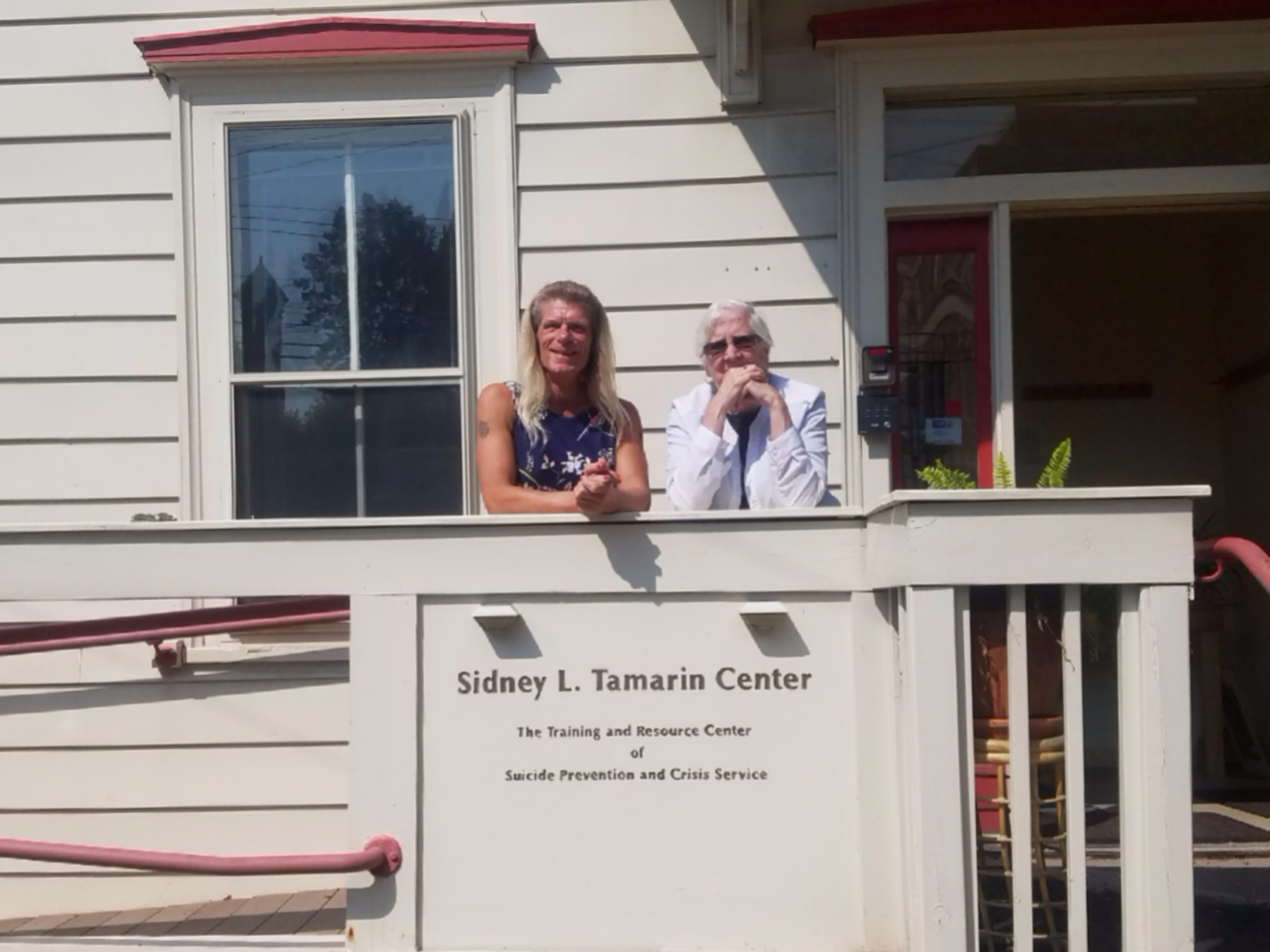
“For me, one of the things that appeals to me about living here is the fact that we place an emphasis on having various social safety nets available to help people more so than I’ve seen in many other counties in upstate New York and many other places where I’ve lived,” she said. “For me, that’s a big attraction factor to this area. And working here just gives me that opportunity to play a small part in being a part of that.”
McGee said that properly investing in mental health may require great financial investment, but it’s well worth it, especially during the pandemic.
“Until and unless we really pivot our focus on mental health, mental wellness, we will not recover from the pandemic,” she said. “It’s just not possible. We can rebound economically, by numbers, but the amount of money that it costs to dig ourselves out of poor mental health and sacrificing individuals in our community, it’s just not realized. It’s not understood that you’re not really recovering when you throw those costs into it.”
Ask for, give help
Providers encourage those facing mental health challenges to reach out — whether to family, friends or service providers like counselors. Harrington said that counselors, like those that operate SPCS’s crisisline, are there for “active listening.”
“They don’t fix the problem,” she said. “They don’t tell you how to do it. They encourage you to talk through. They validate whatever is being told to them. That is what that person is feeling, so they validate those feelings. They try to find positivity in it and encourage the caller to do that within themselves and to start thinking about solutions to their own problems.”
Gallagher added that it’s good to explore all your options and get the help that best suits your needs.
“Not every therapist clicks with every person, and I hate to see people get help and then they see a therapist who they don’t click with personally and go, ‘ah, geez, even help doesn’t help,’” he said. “So, I encourage people to shop around and find a therapist who gets them and works with them.”
If you’re looking to help support someone else with mental health challenges, sources offered advice for that, too. Heisig said that the best thing you can do is to simply be there and listen, and don’t be afraid to ask a person about their mental health.
“All too often, we suggest that the person who’s struggling be the one to reach out,” she said. “Be the person to reach out to somebody if you think they’re struggling. Offer to go for a walk with them. Offer to take them for a cup of coffee. Just listen. Sometimes, somebody just needs to get some things off their chest and talk. And don’t be afraid to ask them, ‘I know you’re very overwhelmed. There’s a lot going on in your life. I’m worried about you. Are you having thoughts of suicide?’ Talking directly about suicide does not plant the seed, so if you’re really concerned about somebody, that question can be life-saving.”
Little added that another great way to approach someone struggling with their mental health is to provide practical help.
“If someone was sick with the flu, you might help them get groceries,” she said. “You might help them make some phone calls, cook them dinner, help out around the house. These are things that can all be really, really helpful if we’re dealing with serious mental health issues as well because, just like when you have the flu, sometimes mental health can make it just as hard to get out of bed and to do those things.”
If you or someone else is struggling with their mental health, there are numerous county resources available to you. SPCS’s crisisline, (607) 272-1616, can help those who are having thoughts of suicide or are just feeling overwhelmed and need someone to talk to. The National Suicide Prevention Hotline, (800) 273-8255, is also available for anyone in crisis.
MHATC’s Warm Line, 607-277-7337, provides emotional support for those not in immediate crisis. For more information about the services available in Tompkins County, visit MHATC at mhaedu.org, the Tompkins County Mental Health Department at www2.tompkinscountyny.gov/mh, SPCS at ithacacrisis.org and NAMI Finger Lakes at namifingerlakes.org.
Related Articles
Holiday traditions bring community cheer
Tompkins County holiday traditions light up homes, farms, and schools with festive cheer and community spirit.
The gift of an experience: Local businesses offer hands-on holiday fun
Holiday experience gifts in Tompkins County include candle making, gourd crafts, and pottery workshops for creative seasonal fun.
Code Blue shelter opens amid praise, concerns and ongoing debate
Ithaca’s Code Blue shelter opens with larger space, showers, and case management to help residents during cold weather.