
Sponsored Sponsored content The Real Cost of Owning an EV and Why It Can Save You Money
From maintenance to fuel savings, Dovi Motors breaks down how electric vehicles stack up against gas cars over time

When people think about buying an electric vehicle, the price tag can be a sticking point, as EVs often cost several thousand dollars more than their gas-powered counterparts. But according to Jesse at Dovi Motors, that’s only part of the story.
“If you’re only looking at the sticker price, it’s easy to think EVs aren’t affordable,” he says. “But once you factor in fuel, maintenance, and incentives, the picture changes.”
The reality is that while EVs may cost more upfront, they often save drivers money over the course of ownership. Here’s a closer look at the numbers, the long-term savings potential, and the key factors drivers should consider before making the switch to an electric vehicle.
Fuel Savings That Add Up
For many households, the cost of gas represents a significant portion of car ownership expenses. Switching to an electric vehicle can dramatically reduce these ongoing fuel costs, allowing drivers to redirect money toward other priorities in their budget.
Charging an EV at home is not only convenient but also far more efficient than frequent trips to the gas station. Over time, these savings can become substantial, making daily commuting and long-distance travel more affordable.
Charging an EV at $0.10 / kWh is dramatically cheaper than driving a gasoline car at $3.50 / gallon. Typical outcomes: EV cost per mile is usually ~2.5–4¢/mile, while gasoline cars run ~11–23¢/mile depending on mpg. That means roughly 70–85% lower fuel cost per mile for the EV in many realistic cases.
Beyond the financial benefits, home charging provides unmatched convenience. Starting each day with a fully charged vehicle eliminates the need to schedule stops for refueling, simplifying routines and giving drivers greater flexibility.
Combined with the reduced environmental impact of driving electric, these advantages make EV ownership an ideal choice for both families and individuals.
Lower Maintenance, Fewer Headaches
Savings don’t stop with fuel. Maintenance costs are another area where EVs outperform traditional vehicles. EVs offer significant advantages when it comes to maintenance. Electric motors have far fewer moving parts than internal combustion engines, which means no oil changes, no spark plugs, no timing belts, and generally fewer components that can fail over time.
While tires, brakes, and wiper blades still need routine care, the costly repairs that often accumulate with gas-powered vehicles are largely avoided with EV ownership.
Battery health is an important consideration, but most EV batteries come with long-term warranties, often covering ten years or 100,000 miles. For most drivers, this provides reassurance and contributes to lower overall maintenance costs throughout the life of the vehicle.
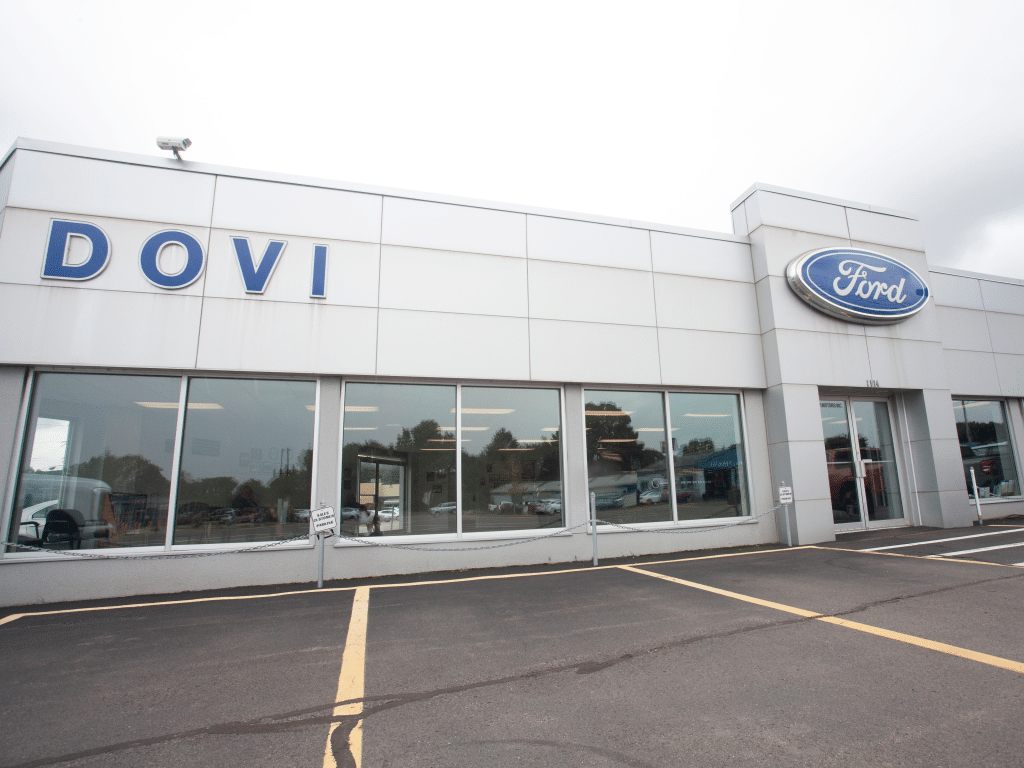
The Dovi Motors dealership.
The Upfront Investment Pays Off
Buying an EV requires a larger investment up front, but the long-term benefits can make it worthwhile. Over time, savings on fuel and maintenance start to offset the initial cost of the vehicle. When potential state and federal rebates are included, the total cost of ownership can be very competitive with, and in some cases even lower than, a traditional gas-powered car.
For drivers who keep their EV for eight to ten years, the cumulative savings can reach thousands of dollars. Those who drive long distances regularly see even greater benefits, as fuel costs drop dramatically and maintenance needs remain minimal. Over the life of the vehicle, the upfront investment begins to pay off in real, measurable ways, making EVs a smart choice both financially and practically.
Factors to Consider Before Buying
Every driver’s situation is different, and the benefits of an EV can vary depending on driving habits. Commuters who travel long distances or drive daily are likely to see the most savings on fuel and maintenance. On the other hand, drivers who only put a few miles on their car each week may not notice as dramatic a financial difference, though they may still benefit from lower maintenance costs and the convenience of home charging.
Access to charging infrastructure is another important consideration. While the number of fast-charging stations continues to grow nationwide, drivers who frequently take long road trips may need to plan their routes carefully to ensure access to chargers along the way. Home charging can offset this concern for many, providing a reliable, overnight solution that makes daily use simple and predictable.
Additionally, personal priorities such as environmental impact, vehicle performance, and long-term cost savings should all factor into the decision. Choosing an EV is not just about the upfront price, it is about matching the vehicle to lifestyle needs, driving patterns, and long-term goals to ensure the investment is practical and worthwhile.
Seeing the Bigger Picture of EV Ownership
Going electric is about more than upfront costs. Home charging adds convenience, maintenance is simpler and less expensive, and EVs have a smaller environmental impact than gas-powered vehicles.
When you factor in fuel savings, lower maintenance, and potential incentives, an EV becomes a smart, cost-effective investment. Drivers can see how an electric vehicle fits their lifestyle while providing long-term financial benefits.
Dovi Motors helps local drivers look beyond the sticker price and make informed decisions that balance practical needs and savings.
Visit www.dovimotors.com to learn more about EV options, or stop by the dealership to talk about the real cost and real savings of going electric.

Dovi Motors Inc. in Cortland NY is a Ford dealership that sells new and used cars & trucks that are available to lease or buy. Call 607-376-7875 or Visit: dovimotors.com
Related Articles

Sponsored Sponsored content A holistic approach to wellness
William George Agency offers youth recreation programs that boost fitness, mental health, and confidence through holistic activities.

Sponsored Sponsored content Can the Grid Handle EVs? Debunking the Myth
Explore how Dovi Motors is leveraging modern infrastructure and smart EV technology make charging safe, efficient, and manageable for drivers and utilities alike

Sponsored Sponsored content Tech gifts for the holidays – and why fiber internet makes them even better
Explore the best holiday tech gifts and see how fast fiber internet from Empire Access helps your new devices perform their best this season.