
Dryden, Groton address school bus driver shortage
The current school bus driver shortage is impacting many schools across the country, including school districts like Dryden and Groton.
According to Dryden Central School District (DSCD) Superintendent Joshua Bacigalupi, DCSD averages about 20 bus drivers per school year. This school year, DCSD is down “five to seven bus drivers” at a time, he said.
Groton Central School District (GCSD), which employs around 20 bus drivers per school year, has seen a decline of between “four to five bus drivers,” said GCSD Superintendent Margo Martin.
This has led Dryden and Groton schools to partner with each other for an inter-municipality agreement for bus drivers, which, according to Bacigalupi, is a memorandum of understanding between the two schools.
Part of the agreement, which Bacigalupi said is effective immediately, is an hourly wage increase for bus drivers. Martin and Bacigalupi both confirmed that their respective school districts and labor unions recently signed off on the agreement.
“It allows us, when we need it, to call upon Groton to supply drivers and buses to ensure students get picked up and brought to school,” Bacigalupi said. “Groton would then call upon us if drivers and buses are needed.”
The bus driver shortage that both school districts are currently facing has led transportation supervisors, mechanics and other school district staff members to drive school buses to get students to and from school.
“That’s just not sustainable over a long period of time,” Bacigalupi said of the staff members who don’t drive school buses on a regular basis.
Martin noted GCSD has enough bus drivers “to do our runs,” but she is concerned more bus drivers will be leaving soon due to retirement.
“On average, I received three to four drivers who agree to be subs or just want to drive a little bit,” Martin said. “But now, I’m looking to lose more than I’m replacing. The need is going to get greater down the road.”
Martin mentioned that, sometimes, GCSD has had to “pull people from working on buses to driving buses,” saying it’s “how we’ve been able to get by.”
DCSD’s bus driver situation got to the point where the school district had to conduct “double routes,” which led to students having shorter school days and students choosing to do remote learning due to DCSD not having “enough drivers to get kids [to school],” Bacigalupi said.
Aside from regular bus runs, each school district also has runs for special programming at various BOCES facilities, various day treatment facilities, sporting events and more, Martin said.
Students who are sick or were suspended from school and who don’t have a family member available for pickup also rely on buses to bring them home, Bacigalupi said.
“The need for drivers has grown exponentially over the years as we try to provide equity and stability in a child’s education,” Martin added.
Martin said the main reason for the bus driver shortage doesn’t stem from the pandemic, but the pandemic “doesn’t help either.” Bacigalupi noted the problem isn’t wages, as wages haven’t been a factor in “keeping drivers in other districts.”
“Once [people] are trained to have that CDL license, they go to private sector companies for jobs,” he said. “With the labor shortage of bus drivers, it’s just indicative of what everybody is experiencing across the nation in terms of bus drivers.”
Martin added the bus driver position is “a tough job,” noting it is a split-shift position.
“We need people to come in from 6 to 9 a.m. and then come in from 2 to 4 p.m.,” Martin said.
Bacigalupi added, “It’s hard to find people who are willing to sit in a vehicle full of children and not face them and have everything happen behind them.”
Martin and Bacigalupi originally thought of a region-wide agreement that would assist multiple school districts amid the bus driver shortage. Bacigalupi, however, noted agreements with other school districts would have to be one on one, just like DCSD’s agreement with GCSD.
“There are a lot more obstacles to negotiate through eight or so districts instead of two,” Martin said.
Martin did mention that the agreement between the school districts could be used as a model across the region, which Bacigalupi said would include other school districts within a 15- to 20-mile radius “for it to work.”
“I think this model with Dryden could be an answer to this problem,” Martin said. “We’re hoping this model takes off and other districts hop on board.”
DCSD and GCSD are currently accepting applications for those who want to become a school bus driver. Interested individuals can apply through either school’s website or in person at the district offices. Visit dryden.k12.ny.us for Dryden and grotoncs.org for Groton.
“We’re moving forward and excited to do this [agreement],” Bacigalupi said.
Dryden Dispatch appears every week in Tompkins Weekly. Send story ideas to editorial@vizellamedia.com.
Author

Related Articles
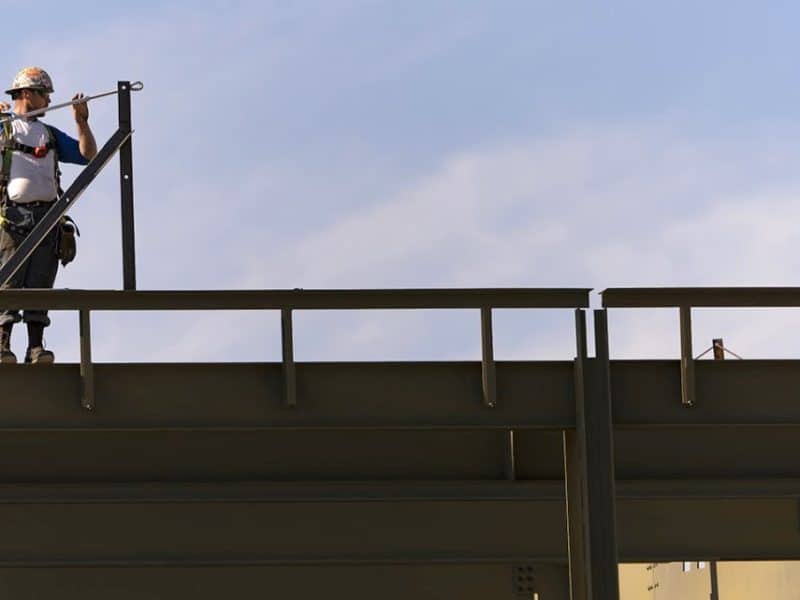
Meinig Fieldhouse built to protect iconic red-tailed hawks
The Meinig Fieldhouse hawks project shows how Cornell protected Big Red and other red-tailed hawks during construction.

TC3 reaches transfer agreement with Hobart and William Smith Colleges
TC3 transfer agreement guarantees acceptance and scholarships for graduates entering bachelor’s degree programs at Hobart and William Smith Colleges.
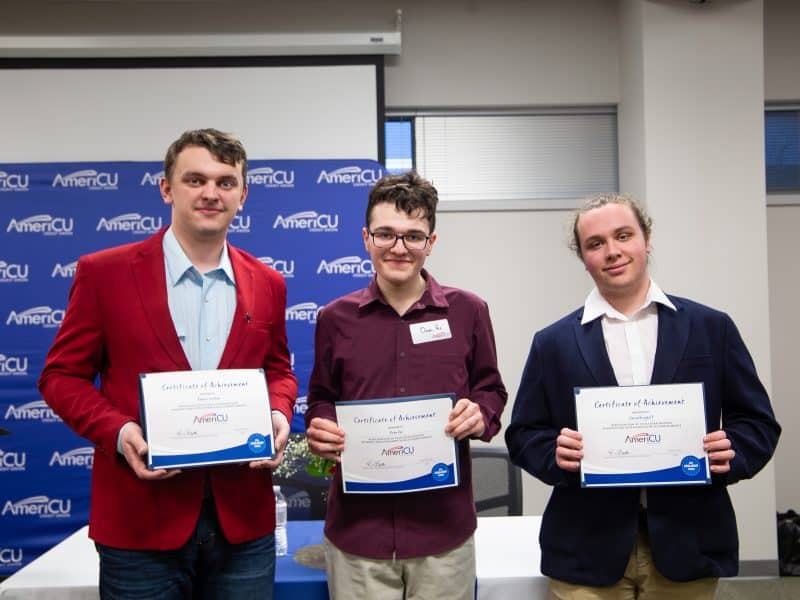
AmeriCU proudly connects students with annual scholarship opportunity
AmeriCU scholarship program awards $1,000 to students pursuing college or vocational education. Applications are open through March 15.