
Dryden resends bid package for Route 13 pedestrian bridge
Dryden pedestrian bridge project faces delays after bid protest but officials cut costs by $300K. Construction could start this fall.
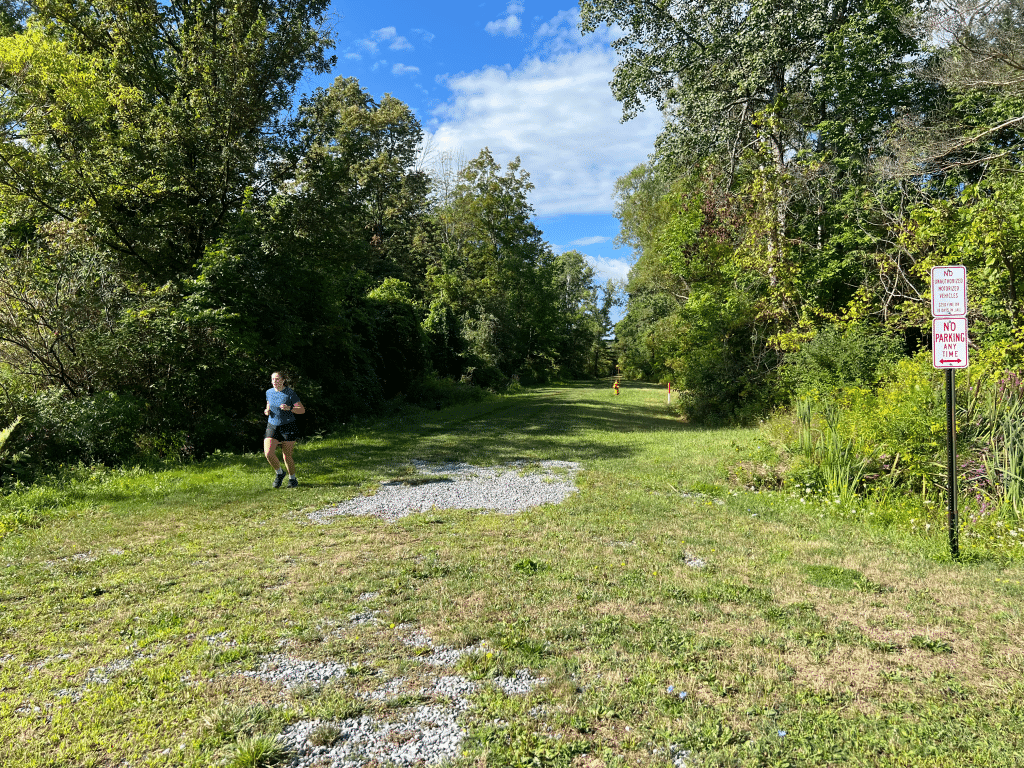
Dryden town officials were ready to accept a contractor bid for a new pedestrian bridge, but one of the other bidders protested the lowest bidder’s submission, noting that a supplier form was missing from their application.
A few months ago, the town of Dryden was preparing to select the lowest contractor bid for the long-awaited project to construct a pedestrian bridge over state Route 13.
One of the bids was well under the anticipated $3 million-plus in costs for the project, while three other bids were outside the town’s price range.
The bridge will be located near the intersection with state Route 366. The project includes a partnership between town officials, Erdman Anthony consultants and others.
Dan Lamb, the town’s deputy supervisor, stated in the past that the bridge over Route 13 a “linchpin of the Dryden Rail Trail.”
When bridge construction is complete, the rail trail will span 14.4 miles and connect the eastern boundary of Dryden through the Jim Schug trail section and the villages of Dryden and Freeville, to Etna, Varna and the western boundary at Game Farm Road, finally linking to the East Ithaca Recreation Way to Cornell and Ithaca.
The New York State Department of Transportation is overseeing the project, due to Route 13 being a state road.
The request for proposals (RFP) was sent out in early May, and the deadline for contractors to submit a bid was May 8.
“One bid was within our budget, and the other three bids were exceedingly outside of it,” Lamb said. “We wouldn’t have been able to move forward with the project if we were forced to accept one of the other three bids.”
When town officials decided to choose the lowest bidder, the DOT found that the bidding process “was not to their standards” in terms of items submitted, Lamb said.
One of the other bidders cried foul on the lowest bidder’s submission, noting that a supplier form was missing from their application. The petition led to the DOT stating that the guidelines issued in May “were not properly followed,” Lamb noted.
“Another bidder protested our selection of the lowest bidder, and they protested it on a couple of technicalities,” Lamb added. “It was a little bit frustrating because the low bid in May was acceptable to us, but there were some flaws with the application.”
The other contractor discovered that the form, which aggregated suppliers involved in the project, was not located within the lowest bidder’s contract.
Lamb said that the town and the DOT went back and forth for a month. The town petitioned to allow officials to accept the lowest bid and move forward with the project.
The DOT ultimately decided that the town had to scrap the original RFP and put together a new one to submit to the state for approval before it could be sent out for contractual bids.
Working with consultants, the town resubmitted a bid package for rebid to the DOT on Aug. 1.
The DOT responded by saying it needed a summary of the changes that the town made in the new RFP package. Since then, the town has not heard back from the state.
Lamb noted that the changes in the package included removing the parameters of the utility casings underneath Route 13 and that the town is planning more work on fence installation.
Through the tedious process of resending a bid package, the town was able to cut $300,000 in costs for the project, which put the total at about $3 million.
“The changes were kind of minor, but they were significant in that the price tag of the project was lowered,” Lamb said. “It’s a good thing. This additional time gave us a chance to revise the overall contours of the project and reduce the cost of it.”
Despite a delay in getting the green light from the DOT, Lamb said that the project is still slated to begin in the fall. The hope, Lamb said, is for the town to send out a new RFP in the coming weeks.
Lamb mentioned that other contractors might realize their previous bid “was a little too high,” which could bring their new bids under $3 million.
“We know that there are a number of potential contractors out there waiting for this project because they want to do it,” Lamb added.
Lamb said the potential contractor for the project can work in the fall “as long as the ground isn’t frozen.” From there, the town’s goal is to open the bridge to the public by spring 2026.
Alice Walsh Green, the chair of the rail trail task force, noted in the past that the decision to build the bridge came after consultations with the DOT, the Ithaca-Tompkins County Transportation Council and a county-funded engineering study of alternatives.
“After considering all available options, we determined that the bridge would allow the safest, most cost-effective and commuter-friendly way to cross the busy highway. It will allow trail users continuous access along the trail from Pinckney Road to Game Farm Road,” Green said. “We are also working on the final section of trail, starting with repair of a washed-out railroad bridge east of Pinckney Road and continuing through Etna to Johnson Road in Freeville, where it will join with the section completed in 2019.”
Author

Related Articles
FLLT purchases over 100 acres in the town of Dryden
The FLLT Dryden land purchase protects 108 acres near Yellow Barn State Forest, expanding conservation and public access.

TC3 reaches transfer agreement with Hobart and William Smith Colleges
TC3 transfer agreement guarantees acceptance and scholarships for graduates entering bachelor’s degree programs at Hobart and William Smith Colleges.

Holiday traditions bring community cheer
Tompkins County holiday traditions light up homes, farms, and schools with festive cheer and community spirit.