
Educators see success adjusting to new normal
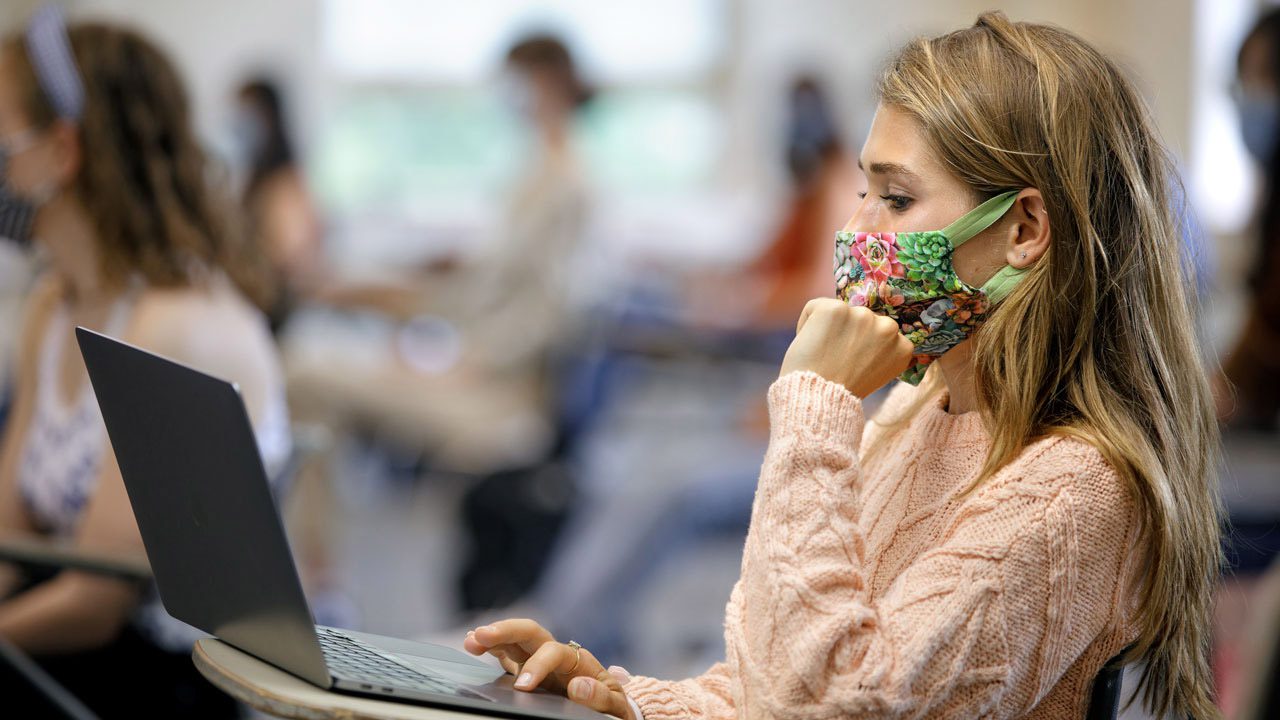
After many weeks and months of careful preparation, colleges and schools across the county saw their hard work pay off as fall instruction began this month.
Most started classes under a hybrid learning model — with Ithaca College being the only area college to opt for an all-virtual semester and Ithaca City School District holding virtual instruction until Oct. 5. And while some saw initial challenges, colleges and K-12 schools alike reported a successful start to the school year.
For the first couple of weeks of instruction, it was colleges that faced the largest challenge — COVID-19 cases among their student populations. Tompkins Cortland Community College resumed classes on Aug. 31, with Cornell University following on Sept. 2 and IC on Sept. 8. All three colleges saw COVID-19 cases among their students within a week of starting instruction.
Cornell identified a cluster of nearly 40 positive cases Sept. 3 and subsequently switched to alert level yellow. TC3 reported six positive cases Sept. 3 and switched to remote instruction for the rest of that week as a result. And at around the same time, IC announced two graduate students had tested positive.
In all instances, administrators acted quickly to investigate and contain the spread of COVID-19 among their students. Tompkins County Public Health Director Frank Kruppa said that, particularly with Cornell, urgency helped control the situation.
“I think that the good news out of that situation was that we were able to contain it,” Kruppa said. “Working in partnership with Cornell, we were able to do case investigations and contact tracing [and] identify who needed to be in quarantine. And with Cornell’s help, I think those quarantines were successful, and many of the new cases that were identified were in individuals that were in quarantine. And so, that means they weren’t out exposing other people before we knew they were positive.”
Even after the cases were contained and Cornell went back to alert level green, administrators chose to continue restricting in-person student gatherings to 10 students — lower than the previous green level of 30 — out of an abundance of caution, said Joel Malina, vice president for university relations. He said Cornell’s strategies — guided by science — helped the campus with what could’ve been a disastrous situation.
“Part of our success to date has been a result of a very extensive and aggressive surveillance testing program, which is playing out as we expected it,” Malina said. “We are testing over 30,000 of our campus community members each week. Undergraduate students are tested twice a week; certain faculty, graduate professional students and staff also twice a week, depending on whether they have a lot of interaction with our undergraduates.”
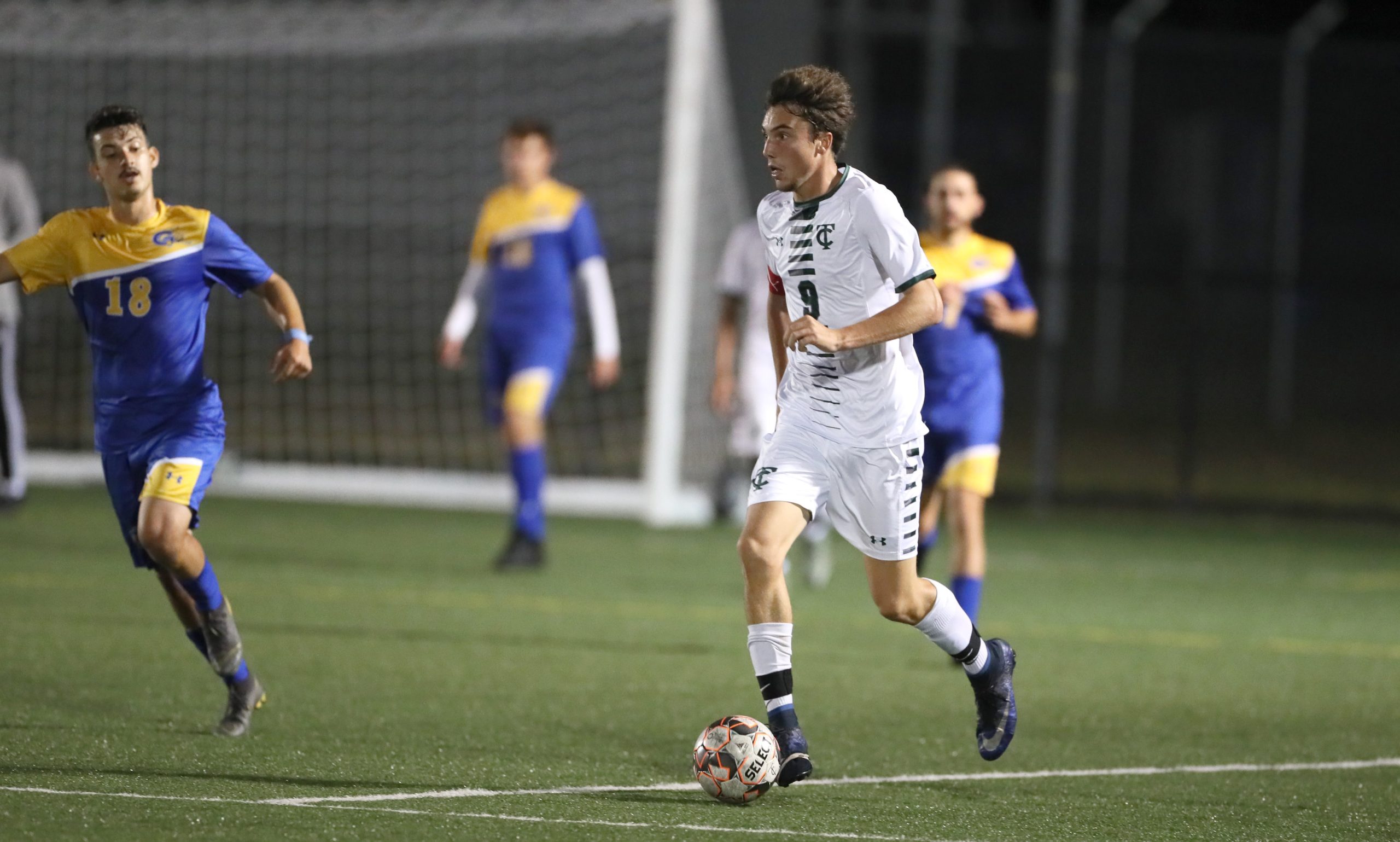
Deborah Mohlenhoff, TC3 associate vice president of college relations, reported a similar approach at her college with the brief switch to remote instruction.
“Because of that really quick action — we did have a couple of clusters of cases, actually, connected to both counties — what that allowed us to do is let the contact tracing play out,” she said. “By giving the counties time to do this, it allowed us to be on pause and learn a lot of things. So, I think we will be better for the rest of the semester.”
Aside from the COVID-19 cases, Malina and Mohlenhoff both said that the first few weeks of instruction went considerably well.
“The reports that I’ve heard are encouraging,” Malina said. “I’m hearing about students at the end of a class giving a faculty member a standing ovation, utilizing appropriate physical distance to express their thanks for all the efforts that have gone into this real incredible feat.”
Mohlenhoff said she’s seen similar results at TC3 for the first few weeks.
“They went well, despite the fact that we had to make that sort of abrupt pivot that first week,” she said. “But once that was settled, I think it’s going OK. We definitely know we need elements of our programs to be in person. … But it also gave us an opportunity to work out some of the kinks of some of these new hybrid classes that we have as well.”
On Sept. 27, it was announced that Groton Central School District became the first K-12 district in the county to have a confirmed COVID-19 case among its student population. According to a recent release, the student, from Groton Jr/Sr High School, did not attend school while symptomatic and is currently in isolation. School officials have worked with the Heath Department to contain the spread.
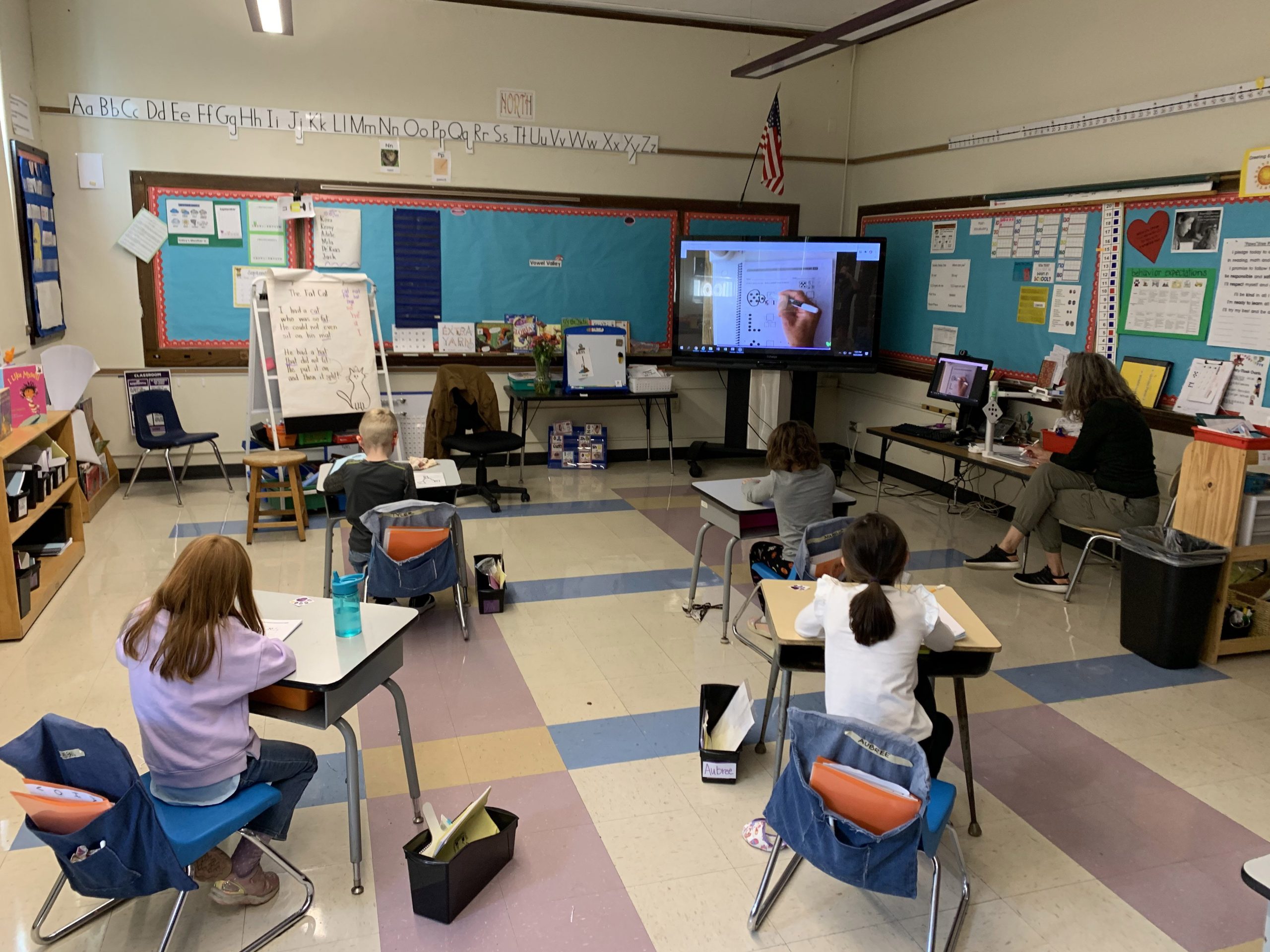
For districts still case-free, their beginning weeks have mostly revolved around making the school day as smooth as possible for students. Most administrators said their biggest initial challenge was technology.
“We’re just trying to meet all the needs of the parents at home, virtually, and we’re trying to make sure we meet the needs of the teachers and the students here,” said Eric Hartz, acting superintendent of Newfield Central School District. “We’re a small, rural school, so technology and us being able to even have connectivity with internet and service is difficult sometimes.”
Another challenge several leaders cited was trying to monitor and act on possible COVID-19 symptoms, particularly with allergy, cold and flu seasons complicating matters. Even presenting a couple of symptoms can put a teacher or student out for a few days, significantly different from past semesters.
“That’s creating some stressors as we try to juggle finding substitutes and coverage for those things,” said Joshua Bacigalupi, superintendent of Dryden Central School District. “That, in the end, is probably going to be the biggest factor in whether school districts are going to be able to remain open. If the guidance doesn’t change in regards to that, are we going to be able to sustain it as flu and cold season ramps up in conjunction with COVID-19?”
Kimberly Bell, superintendent of Trumansburg Central School District, expressed similar concerns.
“Seasonal allergies and common cold symptoms also cross over and can be deemed COVID-related,” she said. “This has been a source of frustration for our entire community. I am pleased to report that regionally, we are working together to provide the same guidance and list of rules to our families, faculty and staff. The safety and well-being of all of our families continue to be our priority.”
Other challenges were also logistical, like with air circulation systems, as ICSD Superintendent Luvelle Brown explained.
“The HVAC supply chain issues that school districts and many other organizations are facing have challenged our Capital Project timelines and the on-time delivery of HVAC supplies,” Brown said. “We have been continuing to work with vendors and our consultants to acquire supplies and keep projects moving.”
ICSD also faces a unique challenge due to starting with remote instruction. Ahead of in-person classes resuming Oct. 5, ICSD is working to make accommodations for staff members who can’t be in school, even recruiting new staff to ensure the shift goes as smoothly as possible.
“We can no longer offer all of our teachers the option to work remotely or in-person,” Brown said. “We’ve also shifted to the hybrid model at our middle and high schools to honor the extensive course selections for students, address the staffing challenges caused by leaves of absence, medical accommodations and certification areas by subject area.”
Despite these challenges, administrators said that school so far has gone well, some even saying it’s gone better than expected.
“I really thought maybe masks would be an issue,” Hartz said. “I thought kids would rebut against masks. I thought we might have some discipline. We’re not having any of those issues. Our kids are being wonderful. Our parents are being supportive. Kids are all coming with masks. They’re wearing them all day. … So, I just feel very, very fortunate. I really do.”
Tina Nilsen-Hodges, founder and principal of New Roots Charter School, shared Hartz’s enthusiasm.
“We planned extensively for supporting students in learning and understanding the scientific, social and emotional reasons for our safety protocols,” she said. “This work has resulted in 100% compliance, not in response to new rules and mandates, but in the spirit that truly reflects our New Roots’ commitment to respect yourself, respect others and respect our environment.”
The overall success of these past couple of weeks has led many area parents who chose remote instruction for their child to reconsider and ask to have their students attend in-person classes. While school capacity and capabilities make switching virtual students to in-person difficult, leaders interviewed said they plan to monitor the situation and possibly allow more students in person for the spring.
“I think maybe some families are feeling a little bit more comfortable that they’re not seeing a spike now that schools are back,” said Jeffrey Matteson, superintendent of TST BOCES. “Hopefully, that remains true. There’s no guarantees. But that will be our next hill to climb, trying to get more of the student body here.”
Educational leaders agreed that the biggest reason for the success they’ve seen this school year is the cooperation, patience and encouragement from staff, parents, students and other community members.
“It has not been easy; however, I could not be more proud of the effort and collaboration I have witnessed districtwide,” Bell said. “I have seen fantastic care and grace shown to our community, all while behind the scenes recognizing the extraordinary heavy lift conducted to ensure continual movement forward, creating the best opportunities for our scholars.”
Matteson shared a similar sentiment.
“What was reported to me from the people who are interacting with students is how pleased students are there, how the parents had been cooperative,” he said. “Our people have made all the difference, having that week to prepare and get reconnected, and then working together so hard to make sure we could have school as smoothly as we can get in the middle of a global pandemic.”
Parents, in particular, have been patient and respectful in their outreach to administrators. Both Hartz and Bacigalupi said that in the emails they’ve received, parents have expressed their understanding of the situation.
“We’ve had lots of questions, but people have usually started any email saying, ‘I know this is really hard. And we’re so grateful and thankful for all the work that you’re doing. We just have this one question,’” Bacigalupi said. “Since the start of the school year, I’ve only received two upset emails. And so, that’s really big for me.”
Sources interviewed for this story said that while the coronavirus necessitated considerable challenges on a tight schedule, the changes made will likely have long-term benefits for staff and students.
“Our biggest challenge was determining how to create opportunities for students to participate in on-site classes via livestream,” Nilsen-Hodges said. “It’s truly amazing how quickly staff and students have adapted, learning to use technology to integrate remote learners into the culture and activity of the classroom. Now, even students who need to stay home for a few days can attend class remotely while they are out.”
At TC3, Mohlenhoff said that the hybrid class model and the use of technology for virtual instruction for professors and tutors have proven to be crucial resources for many students.
“We’re excited about some of these technologies as the pandemic really fast-tracked us to implement,” she said. “And we think that in the long run, if we’re going to be helping with economic recovery and workforce development, that we’ve really positioned ourselves to be the highest level of flexible for any potential student in the future.”
Moving forward, sources expressed optimism for the future. Many are preparing for best-case and worst-case scenarios for the coming weeks and months — preparation that they said will help protect students and staff and ensure the best learning experience for students.
“My hope is that we begin to lay groundwork and plans for the spring semester,” Malina said. “[That] same level of tension, care, thought, helps ensure that when our students all come back, for the winter, for the spring semester back, we’ll be able to have another successful semester under our belt.”
Kruppa agreed, adding that the relationship between educational leaders and the Health Department is vital to ensuring future success.
“These are unprecedented times, and we’re doing things very differently than we’re used to doing it,” Kruppa said. “And we all need to be flexible, whether it’s the Health Department, the school district or the families that are trying to navigate through this. So, that collaboration and continued flexibility and patience is really what’s going to carry us through.”
Related Articles
Cayuga Medical Center nurses to rally, alleging anti-union tactics by hospital management
CMC nurses plan a rally, alleging unsafe staffing and illegal anti-union tactics as the hospital highlights recent patient-safety gains.
AmeriCU proudly connects students with annual scholarship opportunity
AmeriCU scholarship program awards $1,000 to students pursuing college or vocational education. Applications are open through March 15.
Street Beat: What’s one of the best holiday gifts you ever received?
We asked five random people. Here’s what they had to say.