
Einhorn Center bridges academic, student life
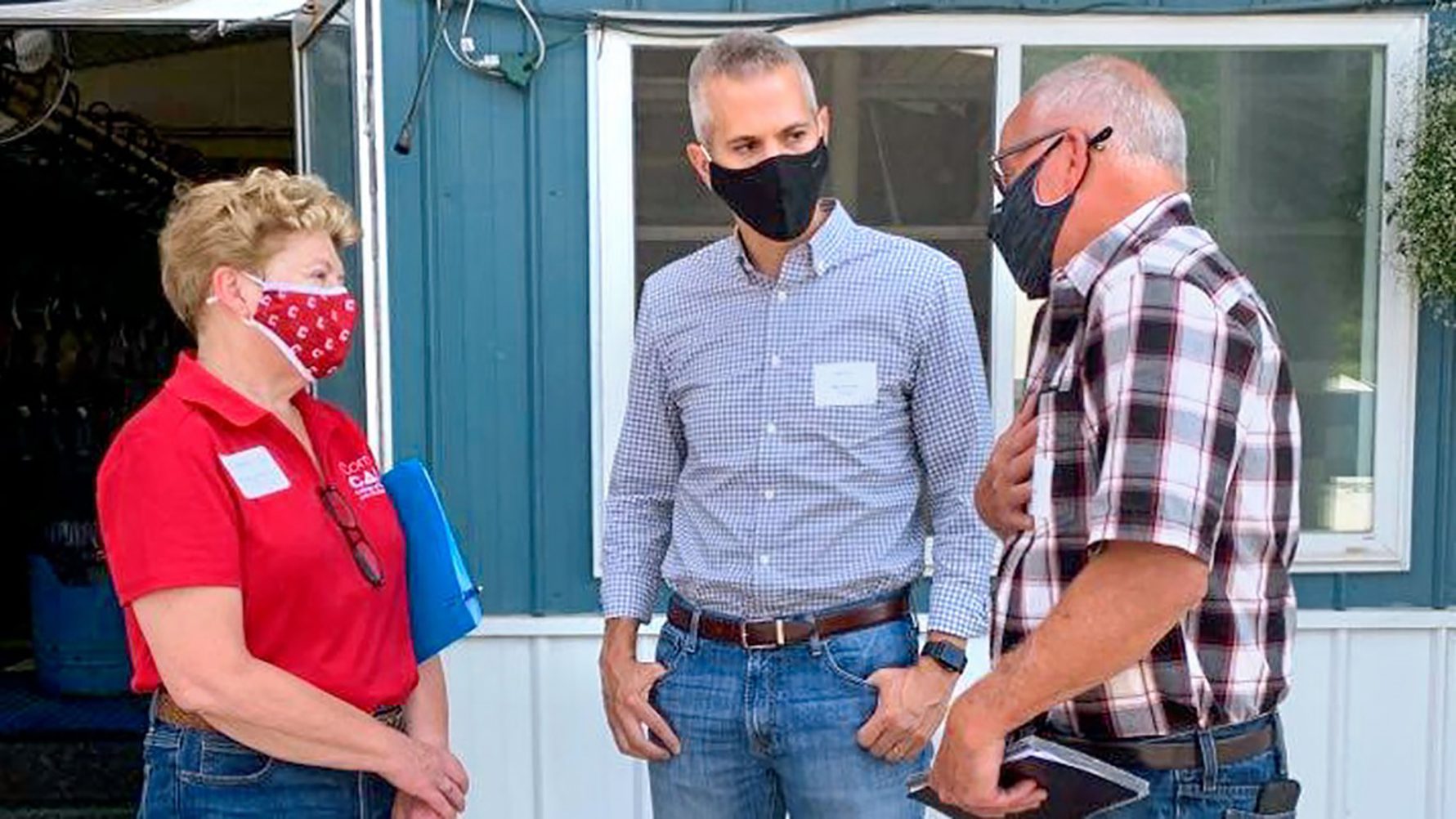
We are nearing the end of Cornell University’s 2021-22 academic year, as well as the first year of the David M. Einhorn Center for Community Engagement. I’m reflecting back with joy and gratitude for all the students, faculty, staff, community partners and alumni who are making positive contributions to a world in need of creative collaborations.
In July 2021, the Einhorn Center was formed through the innovative integration of the Public Service Center (PSC) and the Office of Engagement Initiatives (OEI). In short, Cornell has embraced something not seen enough in higher education: community-engaged programming spanning all parts of a student’s life, from academic to extra-curricular, which we now usually refer to as co-curricular.
It has long been known that any student’s scholarship, knowledge and commitment to service are augmented by collaborations with off-campus community partners. The new Einhorn Center is driven to enhance these reciprocal connections through running and supporting durable initiatives leading to community-engaged teaching, research and related programs.
In the past, these worlds have often been separate and distinct, leading to limited vantage points and a lack of synergies that could deepen opportunities for students to collaborate with, contribute to and learn from communities.
Over the past year and going forward, we’ve prioritized this stronger connectivity as it’s increasingly essential for off-campus partners, faculty, staff and alumni who are taking on meaningful work to think beyond traditional silos. Now, regardless of their major or interests, students can better engage with all segments of their Cornell experiences and connections, including in Tompkins County.
We’re confident that this strategy will increasingly prepare Cornell graduates who embrace an ethos of leadership with a public purpose and who have and will lead with a better understanding of our world’s challenges and opportunities.
Another substantial benefit of PSC-OEI integration through the formation of the Einhorn Center is engaging with longstanding programs and activities managed by the former PSC, whose colleagues I worked with through my former OEI position.
One example is the Class of ‘64 John F. Kennedy Memorial Award that was established by Cornell alumni who were influenced by traumatic world events when they were students. This year’s recipient, Conor Hodges, Cornell Class of ’21, is an exceptional representative for the type of student leader who has a penchant for public service.
As reported in the Cornell Chronicle, “An Army combat medic veteran from a justice-involved family, Hodges, who is Black, has dedicated his academic study, campus leadership and social justice advocacy to understanding and offering alternatives to the current model of policing.”
Conor also was the student representative on the Cornell Faculty Senate’s Anti-Racism Center Working Group and the state-mandated Public Safety Advisory Committee and completed four majors — government, history, American studies and the College Scholar Program — among other accomplishments. Students and community partners have been inspired by Conor and his work, as he exemplifies connecting personal experiences and scholarship with a sharp focus on the common good.
The Einhorn Center offers programs, workshops, consultations and funding, and connects members of the Cornell community with community-engaged opportunities, resources and peers, locally and globally.
One example of a local project with global relevance the center supported is a community-engaged research project led by Matthew Charles Reid, assistant professor of civil and environmental engineering, along with his students and partners in the Ithaca Water Treatment Plant and the city of Ithaca.
The project team collaborated on a forecasting tool to predict concentrations of manganese in a city’s reservoir. Data from the tool helps treatment staff decide on treatment approaches.
This undergraduate research opportunity is just one of many that exemplifies the opportunity to partner students, faculty and community partners to tackle pressing water issues that have reciprocal benefits for all of those involved. As the center’s work continues, I’m looking forward to connecting with many of you in the interest of our shared communities.
For more information on initiatives that the Einhorn Center supports, please visit us at einhorn.cornell.edu.
As executive director of the David M. Einhorn Center for Community Engagement, Basil Safi is primarily focused on providing leadership, planning and the implementation of strategies that support Cornell’s community-engaged learning initiative. He manages the Einhorn Center and its core programs and works with key campus partners to advance the university’s priorities in these areas.
East Hill Notes are published the first and third Wednesdays of each month in Tompkins Weekly.
Related Articles
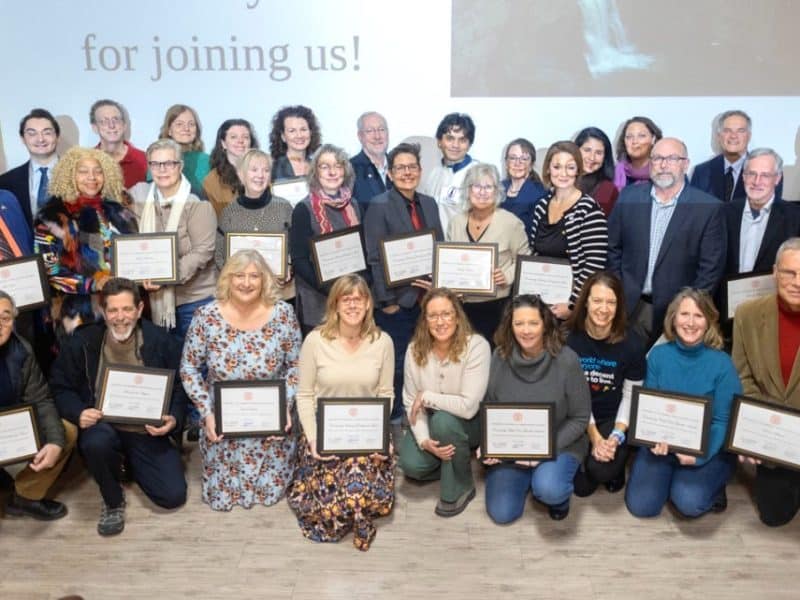
Town-Gown Awards honor housing, child care collaborations
Town-Gown Awards recognized Cornell and community partnerships supporting affordable housing and child care in Tompkins County.
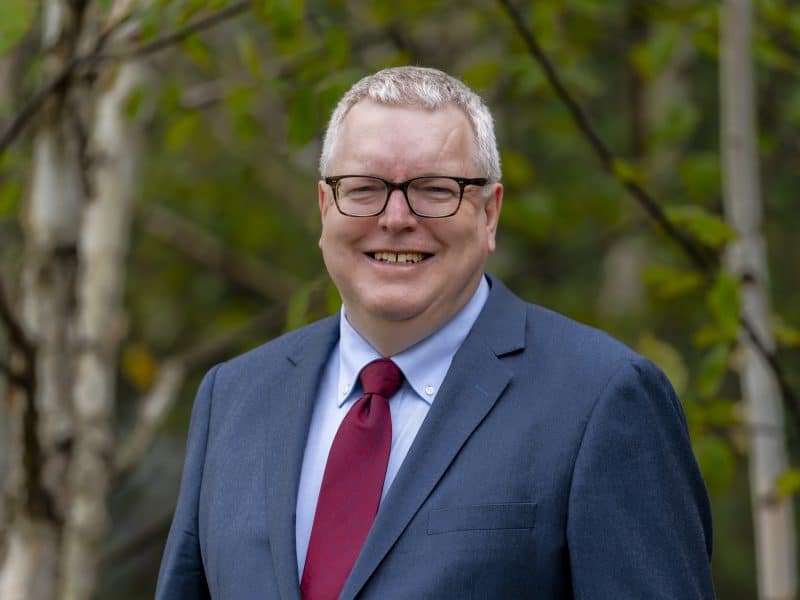
Lorin Warnick to end term as Cornell Veterinary College dean
Warnick Cornell dean Lorin Warnick will step down in 2026 after leading the veterinary college through growth, innovation, and major public health milestones.
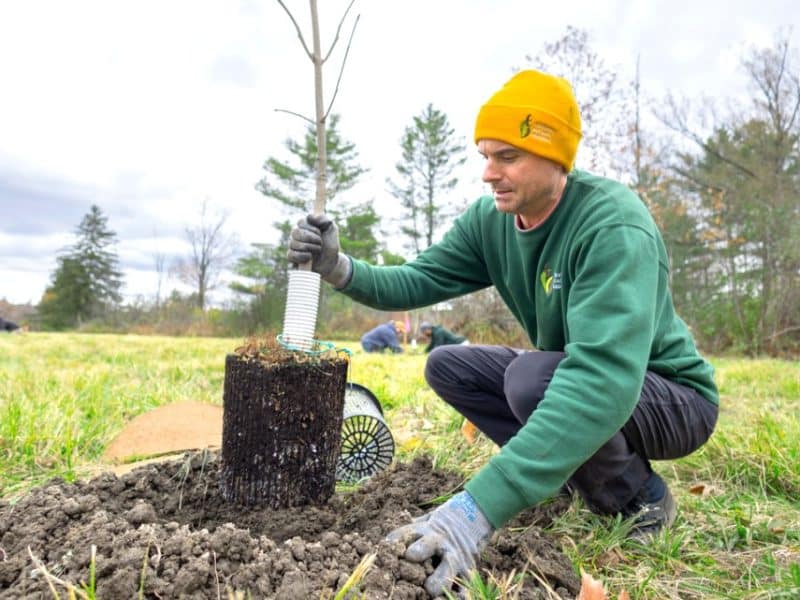
Cornell ash trees aim to beat back borer insects
Cornell plants ash trees with potential resistance to emerald ash borers, advancing statewide restoration through the Trees in Peril project.