
Sponsored Sponsored content Can the Grid Handle EVs? Debunking the Myth
Explore how Dovi Motors is leveraging modern infrastructure and smart EV technology make charging safe, efficient, and manageable for drivers and utilities alike
Can the Grid Handle EVs? Debunking the Myth
As electric vehicles (EVs) become more common, one question keeps coming up. Can the electric grid handle all these new cars?
Some worry that a surge in EV adoption could overload local and national power systems. After all, charging an EV requires a lot of electricity so how can the existing infrastructure keep up?
The reality is that the grid is far more capable than many think, and smart EV technology helps make charging manageable.
Understanding the Concern
It’s easy to see why some people worry. An EV battery can require 100 or more kilowatt-hours to recharge, and millions of EVs hitting the road can put a strain on the electric supply in some areas. However, the utility companies are well aware of the potential problem and they have robust systems in place for handling growth. Understanding how utility companies manage the growth of demand is useful.
How Utilities Manage Growth
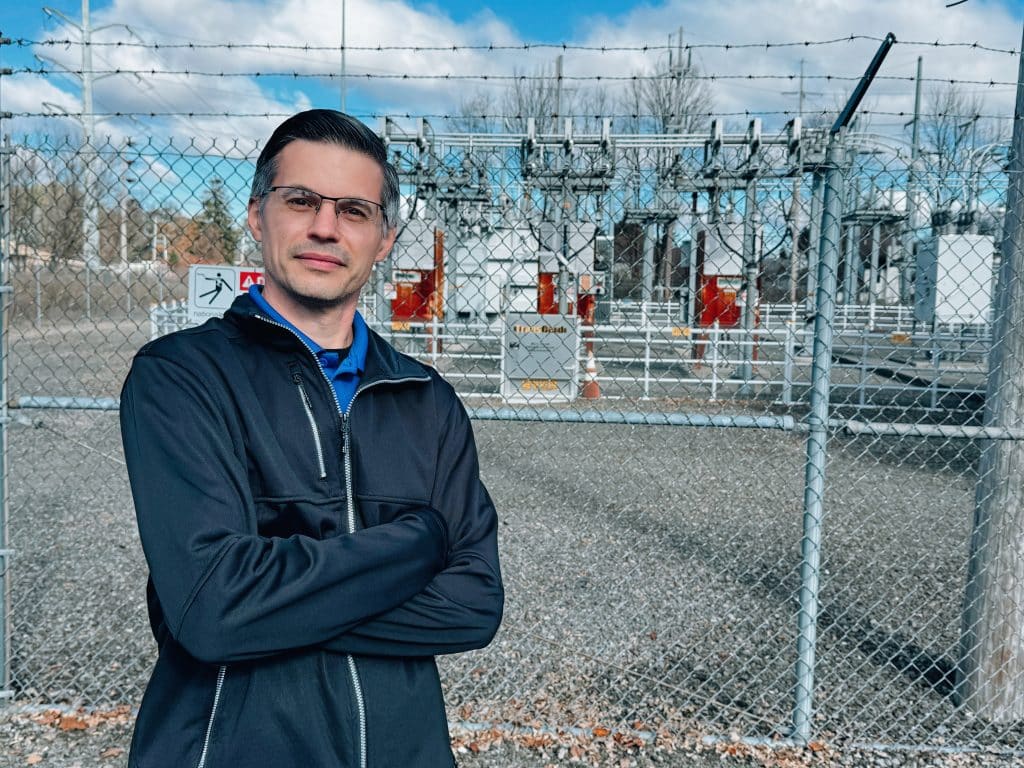
Any time a customer wants to add a transformer to the electric grid an approval is required from the utility company. Whether someone is building a new home, adding some EV chargers or upgrading the power available for their business, a signoff from the utility company (National Grid, NYSEG, etc.) is required before the electrician can begin work. Anytime these new service requests are made, an engineer at the utility company looks at the current load on the substation in that area and decides if that substation can handle the additional draw. This approval process is why EVs won’t “break the grid.” If the engineers that handle these approvals see that the demand is outpacing the capacity of the substation, they will simply start denying the service requests. Areas of the country with rapid housing or commercial growth often face these same challenges, but it doesn’t stop people from moving to those locations. The utility companies simply upgrade existing substations or add new ones. This process does take time, but EVs have smart charging technology that also helps.
How EVs Help Utility Companies
Utility companies have always struggled with the problem of inconsistent demand. During the evening when people are sleeping and businesses are closed there is an excess of power available on the grid. In heavily populated areas there are times during the day when there isn’t enough electricity to go around and blackouts or brownouts can be a problem.
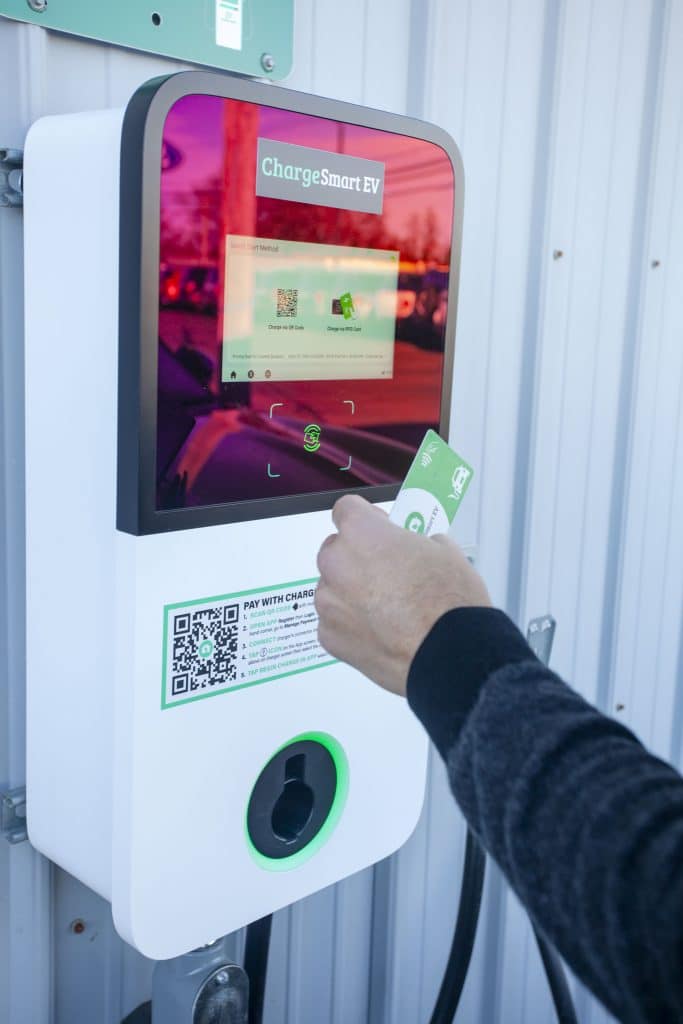
EVs can be programmed to charge overnight, when demand on the grid is lowest. This not only saves drivers money with off-peak rates but also helps utilities make better use of the energy already available at night. EVs are also able to precondition their cabins in the morning before owners leave for work. This again allows for less expensive operation for the EV owner and more demand during off peak hours for the utility. When utility companies have more predictable, consistent demand it drives down costs and reduces prices for everyone.
Future Potential of EVs
There are now technology companies developing software to utilize plugged in EVs. The goal is to help smooth out electricity demand even more. If everyone had an EV plugged in and changing while at work, that could represent many megawatts of electricity available for use. If the utility could utilize that energy for an hour during a particularly hot afternoon rather than starting up a coal fired power plant, the savings could be substantial. These technologies may even allow EV owners to get paid for changing their vehicle!
In Summary
The notion that EVs will break the grid is largely a myth. Modern utility processes, paired with intelligent charging, and preconditioning, make sure that EV adoption is safe and compatible with existing infrastructure. Drivers should focus on proper charging habits and using smart features to maximize efficiency, knowing that their EVs won’t strain the system and may even make it better.
EVs are here to stay, and the grid is ready for them. With the right technology and planning, drivers can enjoy the benefits of electric driving, supported by the power infrastructure that already exists around them.
For more information, visit dovimotors.com or the dealership at 263 Tompkins St, Cortland.

Dovi Motors Inc. in Cortland NY is a Ford dealership that sells new and used cars & trucks that are available to lease or buy. Call 607-376-7875 or Visit: dovimotors.com
Related Articles

Sponsored Sponsored content A holistic approach to wellness
William George Agency offers youth recreation programs that boost fitness, mental health, and confidence through holistic activities.

Sponsored Sponsored content Tech gifts for the holidays – and why fiber internet makes them even better
Explore the best holiday tech gifts and see how fast fiber internet from Empire Access helps your new devices perform their best this season.

Sponsored Sponsored content Restoring trust, empowering families
Discover how WGA children services empower families and support at-risk youth with therapeutic programs and family guidance.