Eye on Agriculture: Apples and more at Littletree Orchards
By Sue Henninger
Tompkins Weekly
NEWFIELD – The lack of precipitation is on everyone’s mind this year. Resulting drought conditions have been especially tough for area farmers.
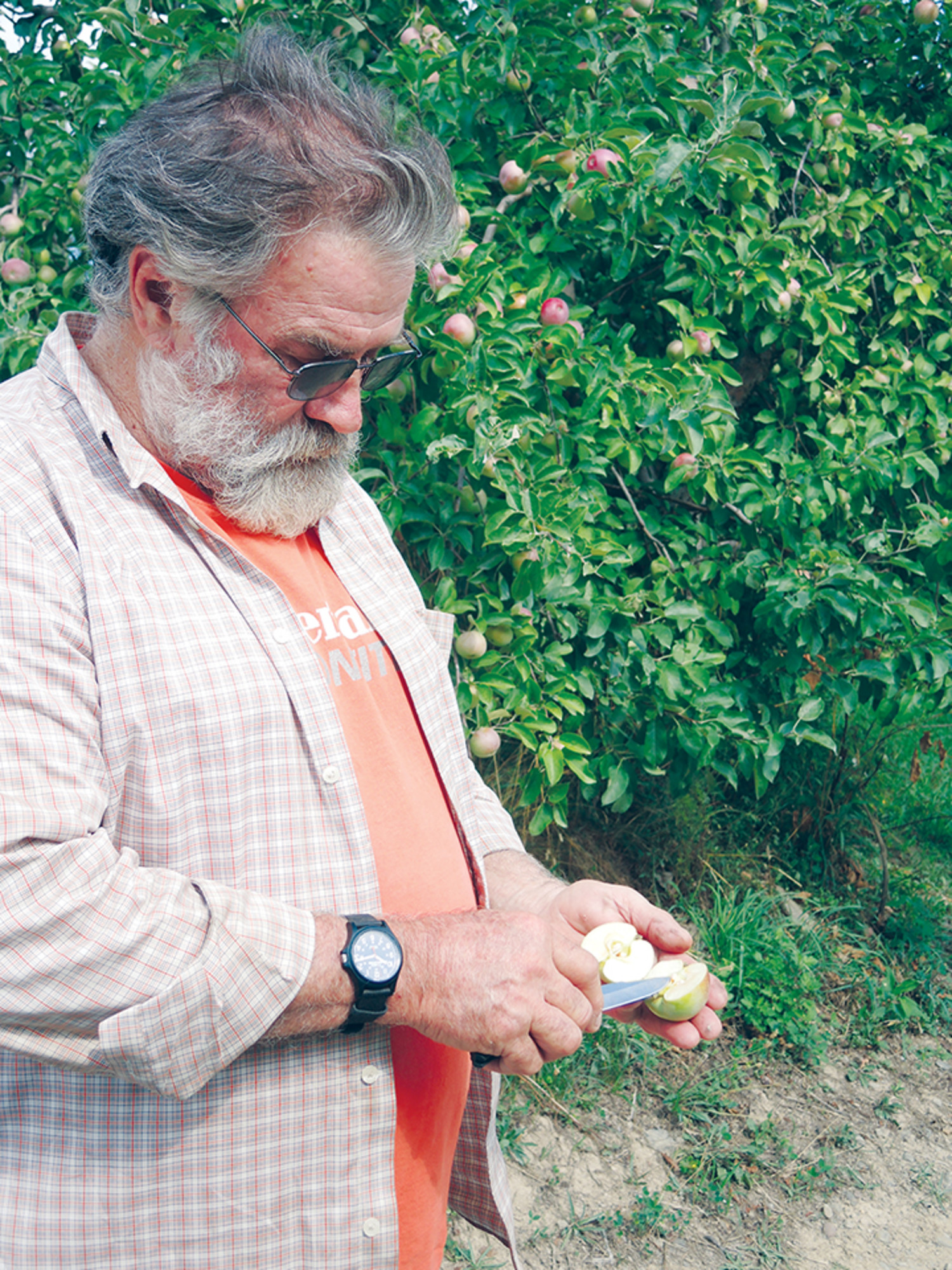
Dennis Hartley, who co-owns Littletree Orchards in Newfield with his wife Anna Steinkraus, said his ponds are “way down” from their normal water levels. Their apple trees are deep-rooted enough to initially draw water from the land around them. When that runs out, the trees must turn to the next source, the apples themselves.
Given this, the first-pick apples from the orchard are smaller than usual but the fruit is flavorful. Plus, as Hartley optimistically noted, “They’re easier to fit in a lunchbox or a purse!”
The weather conditions in 2016 offer a prime example of why having a more diversified approach to growing crops is so helpful to today’s farmers. This is especially true when the farm isn’t a hobby; it’s Hartley and Steinkraus’s livelihood.
“This is a business. We’re not here to lose money; we’re here to make it,” Hartley said. “This year will be a lean one so we need to find ways to maximize the products we sell.”
These include fruits like Asian pears, peaches, cherries and various vegetables, some of which have fared better than others. Additionally, the orchard store offers apple cider donuts and slushies, raw apple cider vinegar and flowers.
The Newfield farm is one of the only Apple CSAs (Community Supported Agriculture farms) in the area. Shares consist of apples, cider and apple chips, and are available from August to November. Apple fans can find Littletree at the Ithaca Farmer’s Market, and the orchard frequently features local musicians, gives tours to school and camp groups, and hosts community benefits (most recently for Ithaca Underground).
A typical workday for Hartley can include mowing, spraying and scouting (looking at the physiology of the apples and trees to see if there are any areas of concern) in the orchard. Fire blight, a virus that attacks fruit trees, is one threat. Insects are another, particularly the Oriental Fruit Moth, the Codling Moth, and the Apple maggot. Hartley is also on the lookout for Apple scab, which he calls the worse fungus disease for fruit growers in the Northeast, as it causes more fruit losses than any other apple disease.
Littletree uses Integrated Pest Management, along with a “low spray” technique. Hartley feels these are a less costly, more environmentally conscious way of growing apples. Herbicide isn’t used between trees either, so weeds often grow freely there. Though this might not look particularly attractive, Hartley noted that it’s quite helpful to the soil.
“We’re not organic yet but we’re moving in that direction,” he said. “It takes time to meet all the NOFA (Northeast Organic Farming Association) standards.”
There isn’t much downtime in an orchard, even in the colder months. Hartley explained that there is always a need for equipment upkeep, such as winterizing or ordering new parts for farm machinery. They usually start pruning their 10,000 trees in late December and continue until apple blossoms appear in March.
Time is also devoted to acquiring more knowledge by auditing college courses or reading periodicals like “Fruit Quarterly” and the New York Apple Association’s newsletter. Hartley regularly attends the New York State Agricultural Society’s Annual Forum and Winter Fruit Tours of other farmers’ orchards. He serves on the Ithaca Farmers Market board and on the Tompkins County Farm Bureau board, which advocates for New York farmers in Albany and Washington, by sharing the challenges they face with legislators.
Hartley and his family are extremely committed to what he calls “The Littletree Experience.” They hope spending a few hours on the farm, walking around picking and tasting the produce, along with asking questions about how a farm works, will give people of all ages a better understanding of nature and fruit production.
“You can’t just put a tree in the ground,” Hartley said. “You need to figure out things like what varieties of apples will fit best with what types of soil.”
One of his favorite parts of orchard ownership is greeting visitors year after year. Hartley has noticed a definite shift in how people pick Littletree’s 60 varieties of apples over the decades. In the 1970s and ’80s, people would pick bushels for canning “to put by,” but these days he sees more “small buys” (pecks or bags) that people can eat within a week or so. However, who is picking the apples frequently remains the same. Hartley said many young pickers grow to adulthood, then return to Littletree with their own children – sometimes their parents too!
This multi-generational apple picking tradition is especially meaningful to Hartley these days. He and Steinkraus are in the process of transferring ownership of Littletree to their own daughters, Amara and Athena Steinkraus. The family meets weekly to share updates about the farm, to discuss past and future concerns, and to talk about things that will impact Littletree, such as financing and hiring.
The Steinkraus daughters are fully immersed in many aspects of the business, including maintaining the orchard’s website and Facebook page. According to Hartley, social media is crucial to attracting new clientele. A number of people come to the Finger Lakes during apple season, either for a fall vacation or for college-related reasons like dropping kids off at school or for Parents or Alumni weekends.
“They Google apple orchards and it takes them right to our home page,” he said adding, “There’s a plethora of things to do here and we want to be part of that experience!”
—
This is the latest in a series of articles about farming and agriculture in Tompkins County.
Related Articles
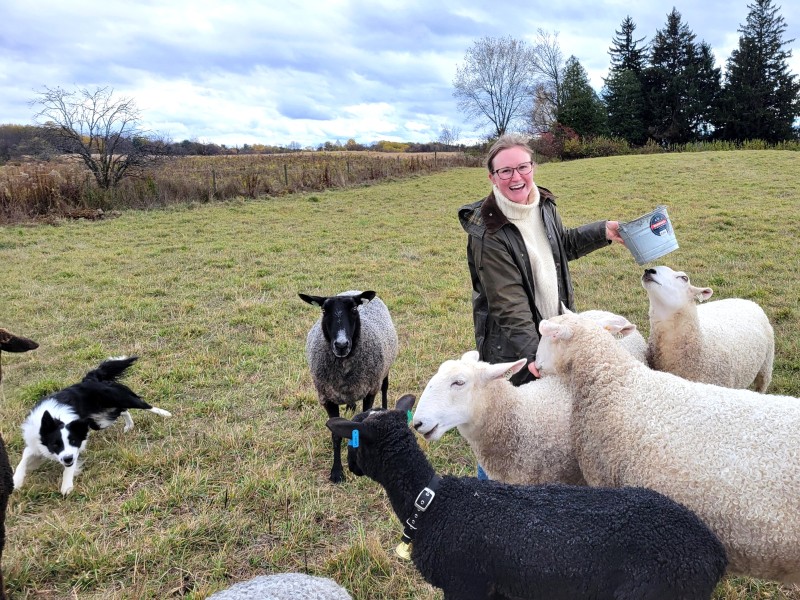
Cailyn McMahon: From Brooklyn to Groton for the love of sweaters
Designer Cailyn McMahon moves from Brooklyn to Groton to raise sheep and pursue her dream of making American-made wool sweaters.
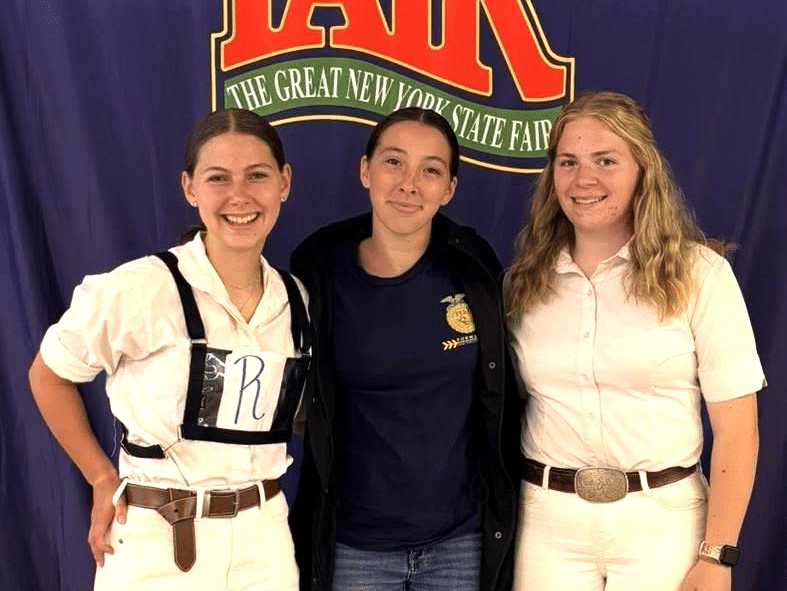
Groton’s Future Farmers of America at the New York State Fair
Groton FFA members excel at the New York State Fair Dairy Handlers competition and earn statewide recognition for their efforts.