
Fighting senior food insecurity during COVID-19
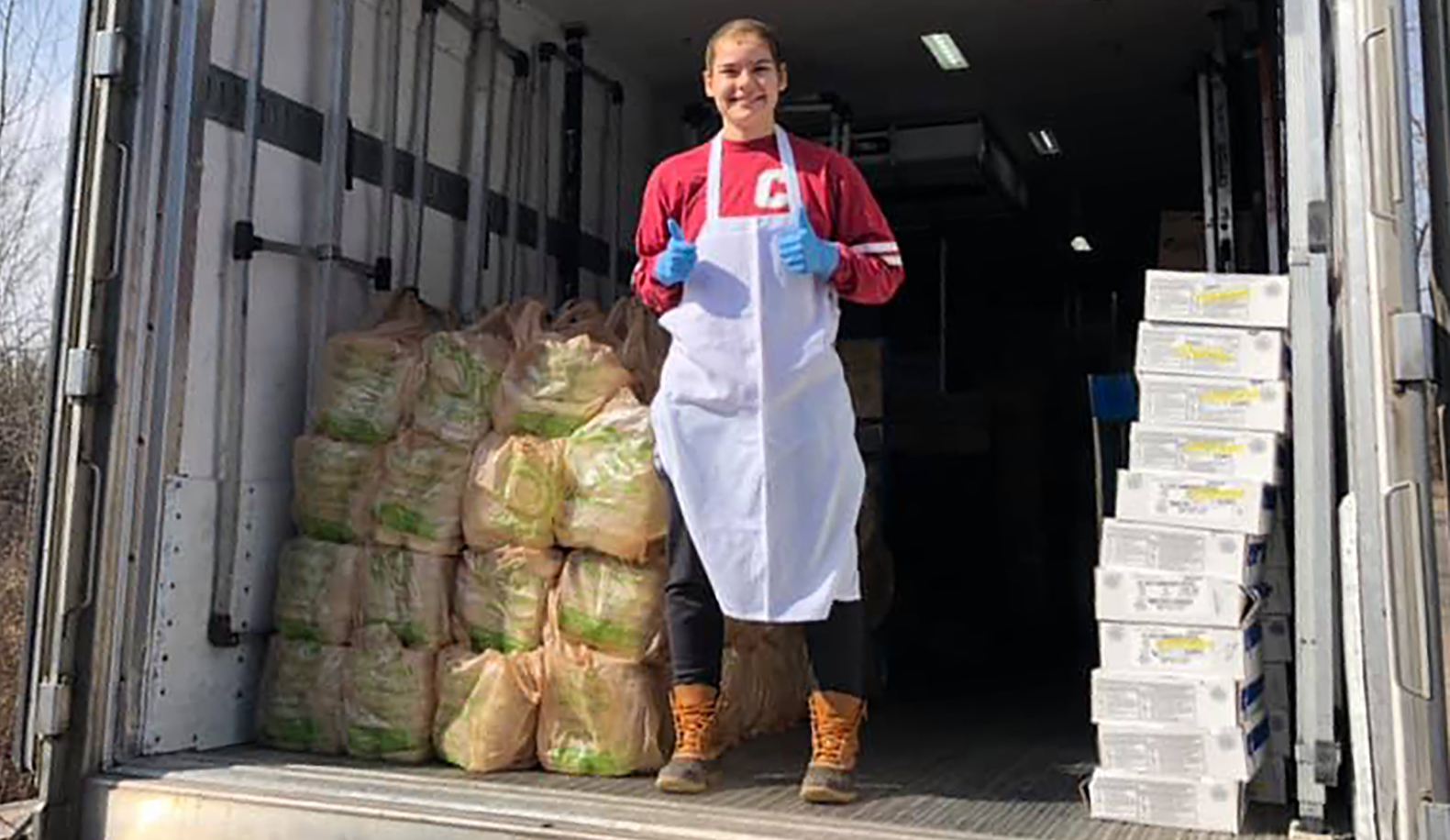
Foodnet Meals on Wheels, a nonprofit food delivery service for senior citizens, has been fighting senior food insecurity since its beginning, but that fight became significantly harder once the coronavirus hit.
COVID-19 brought in health and safety requirements like social distancing and physical isolation, causing more seniors to need Foodnet’s services. And as Foodnet Executive Director Jessica Gosa can attest, meeting that need has been a challenging feat.
Before the pandemic, Foodnet’s operations were business as usual. But when COVID-19 hit earlier this year, Foodnet was hit with a wave of unexpected uncertainty.
“It affected things on all levels,” Gosa said. “Even in February, we started having some meetings about, wow, is this going to be in our community? And what is that going to mean for our operations? And what is that going to look like? And then, just like everybody else in March, it’s sort of like the rug pulled out from under us.”
Right away, Foodnet leadership focused on keeping clients, volunteers and staff safe. Deemed an essential service by the state, Foodnet had to adjust on the fly to continue to provide meals to county seniors. Staff reached out to the county Emergency Operations Center soon after the state of emergency had been declared to help solidify a plan moving forward.
“We knew that we were going to do everything we could to stay open, which we feel very grateful for,” Gosa said. “And so, right away, it was about, how do we keep people safe? How do we shift our operations so we are limiting contact, still providing quality meal service and giving our clients and volunteers and staff peace of mind with safety precautions?”
Foodnet had to adjust practically everything it does, from its congregate meal program and home delivery to comprehensive nutrition services.
“It’s not going to be safe for us to have our social dining program, so we transitioned that program completely to home meal delivery,” Gosa said. “The clients were really, really appreciative that they could still get their meals delivered right to their home.”
For delivering meals, Foodnet not only implemented increased sanitations and cleaning, like what many organizations did, but also takes clients’ and staff’s temperature and monitors possible COVID-19 symptoms. Gosa explained these measures were meant to protect everyone involved from an outbreak.
“We also right away were concerned that that would be the reality, that we would have an exposure, that some of us would get sick that maybe our clients would get sick and we would have some sort of exposure,” Gosa said.
In preparation for such an outcome, Foodnet worked with the United Way of Tompkins County to put together emergency meal packs for all clients to have on hand in the event that there would be a pandemic-related closure.
“They have emergency funds that we were able to access, which enabled us to pack 8,750 meals, which is a 14-day supply for each and every client,” Gosa said.
Foodnet also had a reserve of meals on hand for new admissions, all frozen that can be preserved for much longer. It’s a service that Gosa said many seniors have been grateful for, and United Way and Foodnet staff showed incredible cooperation to get it done.
“It was just remarkable how quickly that project came together,” Gosa said. “I submitted the request. We got their approval within days. We had volunteers here packing thousands of meals. We got all of the meals within three days, and then all of those meals distributed.”
Next was moving the home delivery program to a rotating delivery schedule, implementing contactless deliveries and no longer delivering on weekends. Meeting the needs of seniors while also meeting health and safety guidelines was made all the more challenging when Foodnet also had to restrict the number of volunteers it could bring on, Gosa said.
For as much as Foodnet was able to adapt, it wasn’t an easy journey, and Foodnet’s new reality is significantly different from the services it usually provides.
“We really pride ourselves that it’s more than a just a meal, which means that each meal is delivered with a safety check and a friendly visit,” Gosa said. “And that’s very hard to do if you’re not making contact. We’ve had to be very creative in that.”
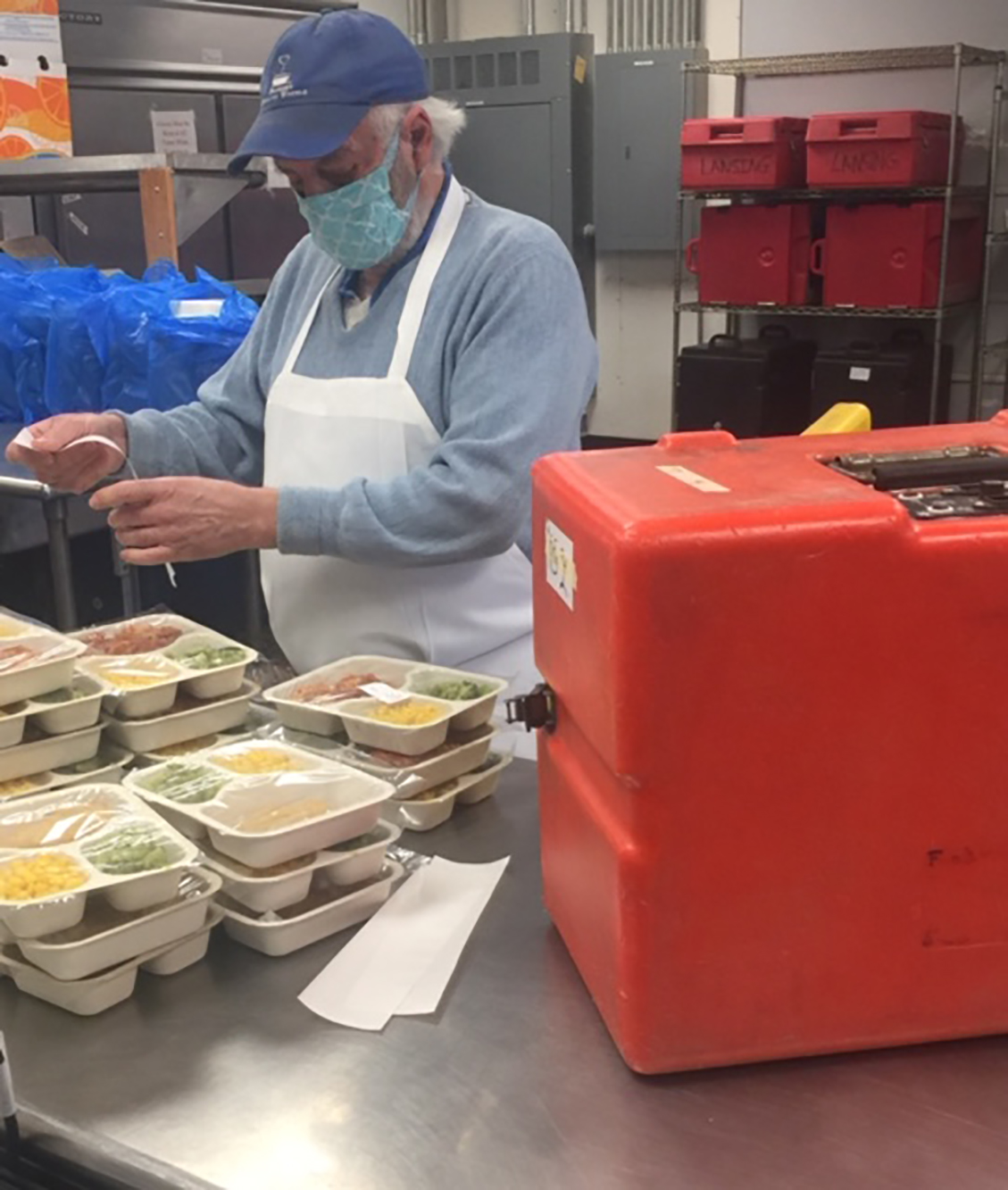
To make up for that loss, Foodnet partnered with organizations like the County Office for the Aging and the Ithaca Rotary Club to use virtual means to connect with clients, call clients on the phone, speak more with their family members and loved ones and bring in cards and written notes from the community to isolated seniors. This has also helped Foodnet to still provide nutrition counseling and other holistic services.
“As a whole, I wouldn’t say that we like this or are comfortable, but we have figured out a way to make it work,” Gosa said. “I would say in the beginning that first phase march was like crisis management, and then the second phase of it has seemed like knowledge and understanding, and now, we’re really to a place where it’s innovation and sustainability.”
Gosa said it was important to push through because the need Foodnet addresses – food insecurity and malnutrition of area seniors – was only exacerbated by the pandemic. In March, Foodnet saw about a 30% increase in the number of meals served, and even though that rate slowed down a bit, Foodnet is still serving approximately 1,000 more meals a week than pre-pandemic life.
“Many were already experiencing nutrition issues well before the pandemic, and it certainly wasn’t going to go away during the pandemic,” Gosa said. “It’s not just about having lack of resources, meaning financial resources. There’s also social and medical and environmental contexts to malnutrition. So, we saw it as critical that we find a way to continue this service.”
Moving forward, Gosa said that Foodnet is still facing another large challenge – financial uncertainty.
“One of the benefits of staying open is we keep running,” she said. “While we’ve been very fortunate to be stable, we would be really naive to think that we’re going to come out of this whole thing without having some budget challenges in the future. And so, that’s where we have to be really proactive and be planning and thinking around those things.”
Coupled with that concern is the coming fall and winter, seasons when other sicknesses like the cold and flu increase, possibly increasing the health risks to seniors as well. Gosa said that it’s the dedicated Foodnet staff and its partners that have helped the organization to best prepare for whatever comes their way.
“I have full faith in our team,” she said. “I’ve been just blown away at the strength of what this team is able to do and how remarkable the staff are, how selfless the team is. … I’ve just been humbled and just honored to lead a team like this. … I feel confident that we’ll be able to make it through those challenges.”
For more information about Foodnet Meals on Wheels, visit its website at foodnet.org.
Related Articles

Design details unveiled for new Center of Government
Design details for the Tompkins County government building in downtown Ithaca are now public, with a county survey open for feedback.

Holiday traditions bring community cheer
Tompkins County holiday traditions light up homes, farms, and schools with festive cheer and community spirit.
Cayuga Medical Center improves patient safety score
Cayuga Medical Center Leapfrog Grade rises to “B,” showing improved patient safety and nursing care quality.