
Finger Lakes Land Trust reaches historic milestone
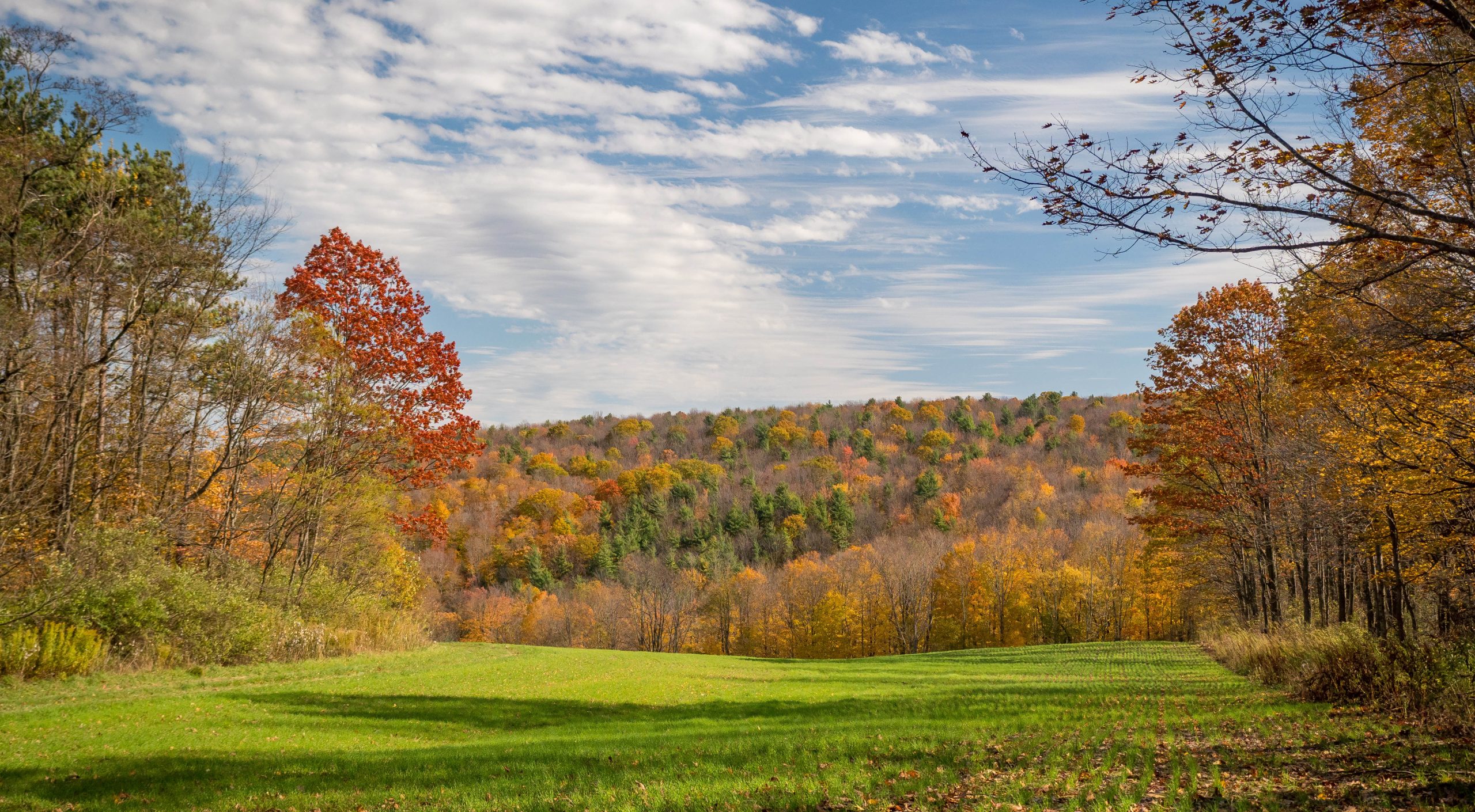
In late November, the Finger Lakes Land Trust (FLLT) announced it had reached a major milestone on its mission to protect land and water across the region. With the organization recently completing a protection project of a 324-acre property in Dryden, FLLT has surpassed 25,000 acres conserved forever.
The FLLT has a long history in the community. It started as an all-volunteer organization in 1989 and has since grown into an accredited conservation organization, with its first effort being to protect Lick Brook Gorge in Ithaca, according to a recent press release.
Over the years, FLLT has worked with private landowners to secure over 150 conservation easements, which limit future land use to protect conservation values. The organization has also opened 46 miles of trails and protected over 3 miles of lakeshores. Learn more about FLLT’s history at www.fllt.org/25000.
The Land Trust has always focused its efforts around protecting critical habitats for fish and wildlife, conserving lands that are important for water quality, connecting existing conservation lands and keeping prime farmland. As FLLT Executive Director Andrew Zepp explained, that mission didn’t waiver when the pandemic hit. If anything, the organization has actually been flourishing.
“More people have been out on our preserves hiking than probably ever in our history,” Zepp said. “We’re getting some of that appreciation back in the way of support. So, while like any organization or nonprofit, the pandemic has a whole series of major challenges, in general, I think we’re faring pretty well.”
Any challenges FLLT’s faced during the pandemic have mostly centered around logistics, as managing its 12-county coverage area has become more difficult. The Land Trust has also had to curtail its educational programming, and COVID-19 has slowed down the legal proceedings necessary for FLLT’s real estate work. But overall, the past year has gone well, Zepp said.
“We’ve been heartened by more vocal support,” he said. “And I think it’s because people have not been traveling, some people have been working less, and some of that time has been used to get out and explore these conserved lands. And people really appreciate that, myself included. I’ve spent more time on our trails during the pandemic, and it’s been wonderful to take a break and do that.”
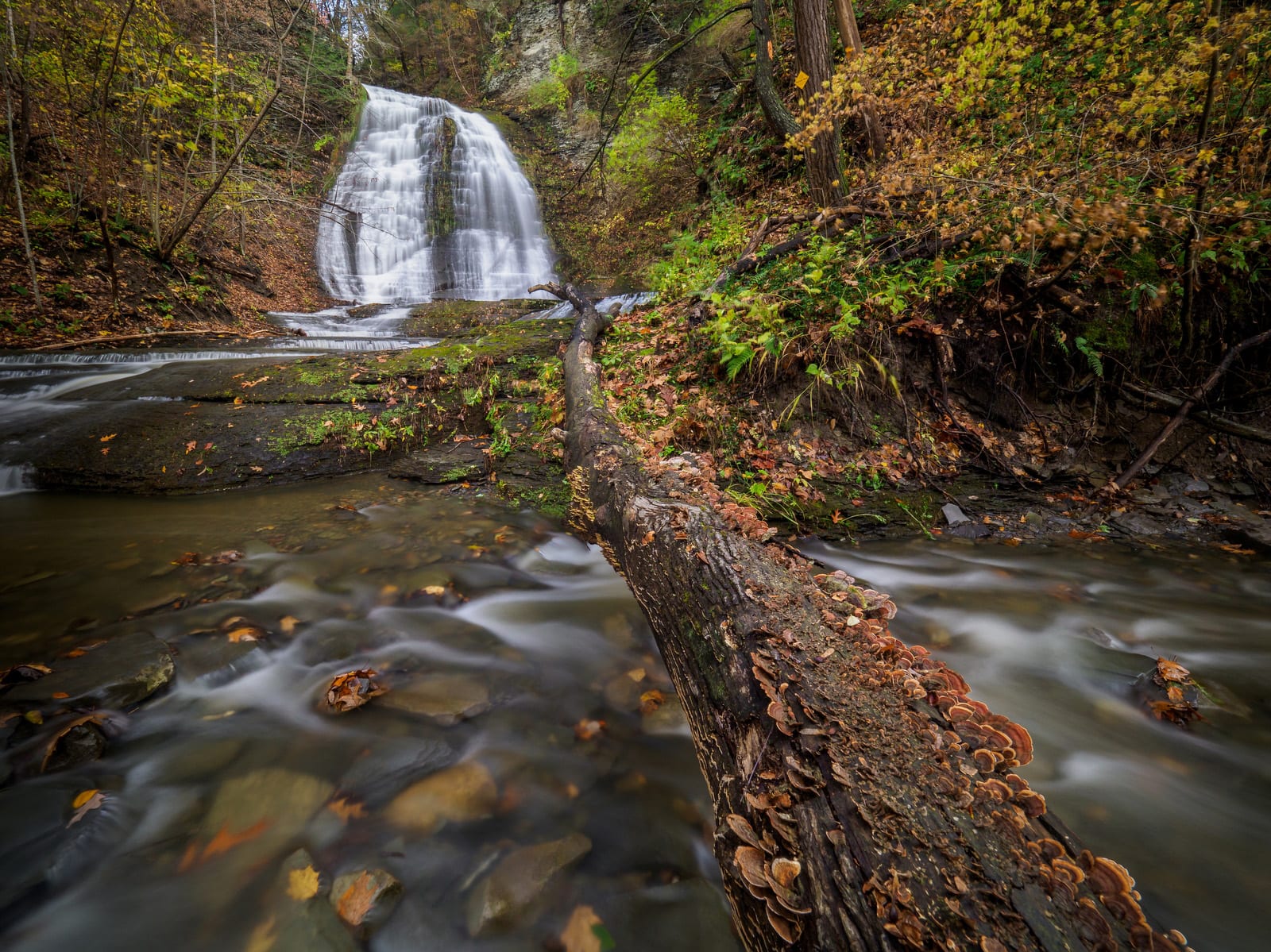
The Land Trust’s 25,000-acre milestone was yet another encouraging sign for FLLT. As Zepp explained, that converts to roughly 40 square miles, which shows just how far the organization has come since its beginnings. And Zepp and his team wanted to properly recognize that significance.
“Both our staff and volunteers, it’s easy to continue to be focused on the next project and saving land or dealing with management issues,” Zepp said. “So, we felt it was important to take a break with our members and volunteers and celebrate what’s really meaningful — that land, that 25,000 acres, encompasses three dozen nature preserves and conservation areas that are open to the public to visit.”
The Dryden property that pushed FLLT over that mark was Prince Farm, a third-generation family farm owned by Cheryl Prince-Brotherton and located on both sides of State Route 13 near its intersection with Ringwood Road. Wanting to ensure that her family’s connection to the land be protected, Prince-Brotherton worked with FLLT to secure two conservation easements on the property, according to an FLLT press release.
Zepp spoke to the benefit the land’s preservation brings to the community.
“It includes some prime agricultural land, but like most farms, it also encompasses natural areas that will be secured by the easement,” he said. “And, in particular, on this farm, there is a major portion of a county-designated Unique Natural Area that is a significant wetland located within the Fall Creek watershed. … For those of us who drive down Route 13, it’s a nice visual break from what’s an increasingly built-up corridor.”
The natural area includes two-thirds of the Etna Swamp, a wetland that drains into Fall Creek, the source of drinking water for Cornell University. On the other side of Route 13, the property contains wooded hills that provide views of the surrounding countryside.
Zepp said the conservation was well supported by the community.
“We are delighted that we actually received financial support from both the town of Dryden and Tompkins County that, aside from the funds being a great help to us, it was an important kind of vote of support for the work we’re doing,” he said. “So, we really appreciated that.”
Another land acquisition for FLLT happened recently. On Dec. 1, FLLT announced that it had received a 143-acre property in the town of Caroline as a gift from former Ithaca residents Anatol and Carolyn Eberhard. The parcel features extensive frontage on Coddington Road, steeply sloping woodlands and gently rolling hills located within the Willseyville Creek valley, according to a recent press release.
Like the Dryden donation, the Caroline land lies within a Unique Natural Area. It’s also part of the Emerald Necklace, described as “an ambitious effort to link 50,000 acres of existing public open space that extends in an arc around Ithaca — from Finger Lakes National Forest in the west to Hammond Hill and Yellow Barn State forests in the east.”
“This donation will ensure the future of a diverse woodland that features towering oaks and maples,” Zepp said in the release. “Thanks to the generosity of Anatol and Carolyn Eberhard, the public will have the opportunity to enjoy this land.”
Moving forward, the FLLT plans to continue its work well into the future, with one 2021 effort being to look into rerouting a portion of the Finger Lakes Trail onto the Caroline property. Beyond that, Zepp said he’d like to see the FLLT grow and work with partners to address water quality issues. Learn more about the Land Trust at fllt.org.
Related Articles
Dryden Fiber looks back on another year of service
Dryden Fiber reflects on a year of growth as the municipal internet provider expands service across Dryden and Caroline.
Holiday traditions bring community cheer
Tompkins County holiday traditions light up homes, farms, and schools with festive cheer and community spirit.
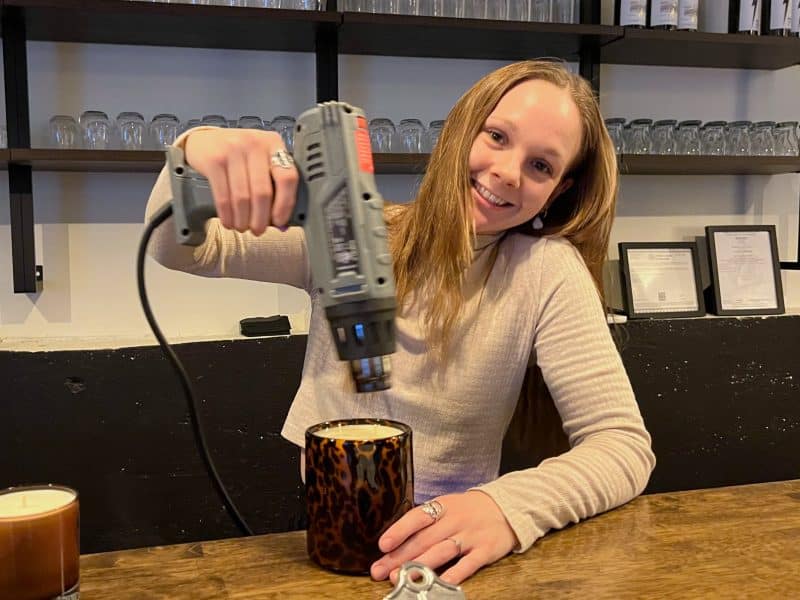
The gift of an experience: Local businesses offer hands-on holiday fun
Holiday experience gifts in Tompkins County include candle making, gourd crafts, and pottery workshops for creative seasonal fun.