First vaccines set to arrive in county as COVID-19 cases increase
Editor’s note: A previous version of this article was titled “First vaccines arrive in county as COVID-19 cases increase.” The headline has since been corrected to reflect the fact that the COVID-19 vaccine has not yet arrived in the county as of the time of this publication.
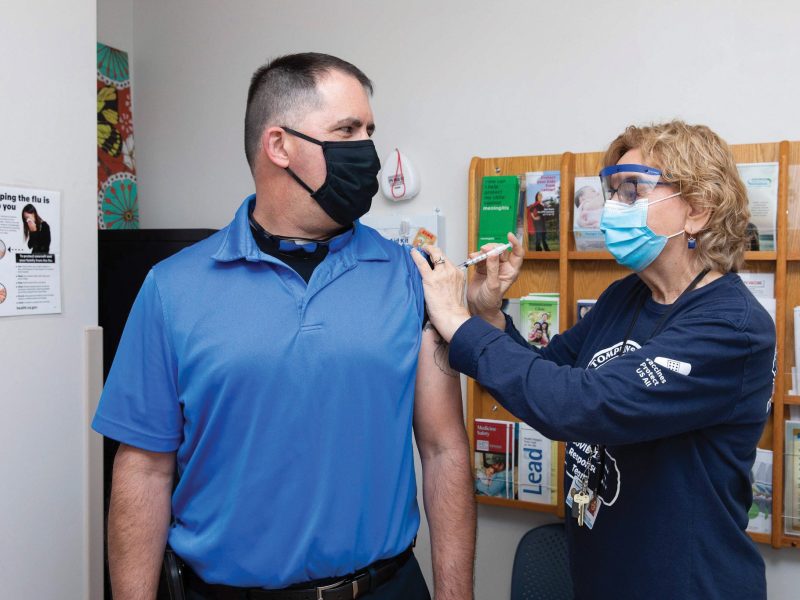
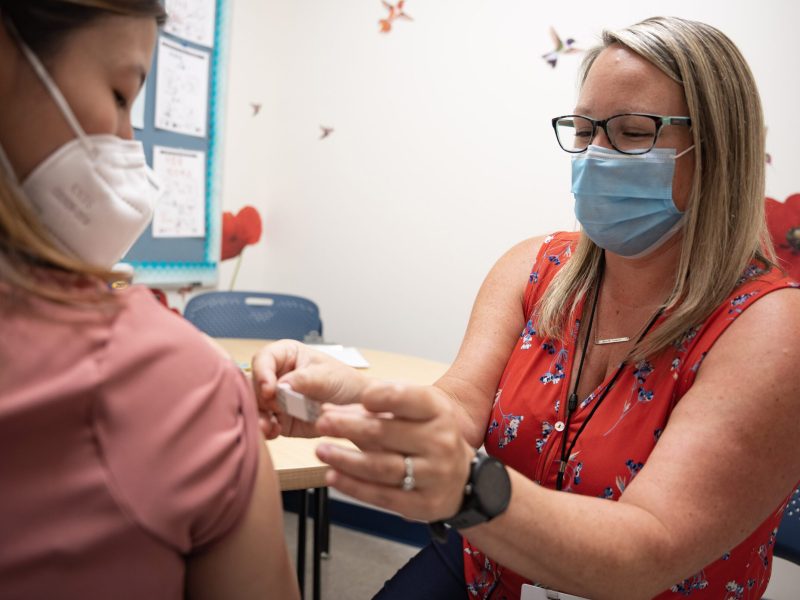
The FDA recently authorized Pfizer’s COVID-19 vaccine, with the Southern Tier expected to receive 4,500 of the 170,000 doses allocated to New York state. At the same time county officials are grappling with vaccine distribution, cases continue to rise in Tompkins County and in surrounding areas, creating more challenges for health care workers and county leadership.
New York’s vaccination program is prioritizing high-risk health care workers and nursing home residents and staff to be the first New Yorkers to receive the vaccine. “High-risk” hospital workers include emergency room workers, ICU staff and pulmonary department staff.
According to a Dec. 9 announcement from Gov. Andrew Cuomo, the state expects that all high-risk hospital staff will receive a vaccine by the end of week two. Other long-term and congregate care staff and residents and EMS and other health care workers will follow high-risk health care workers. Essential workers and the general population, starting with those who are at the highest risk, will be vaccinated after these initial priority groups.
New York has also opted into the federal government’s nursing home vaccination program (beginning Dec. 21), under which employees of CVS and Walgreens will vaccinate residents and staff at these facilities, much like they do for the flu vaccine.
Tompkins County Public Health Director Frank Kruppa elaborated on the county’s vaccine plan during a virtual update Dec. 10. He said the county’s vaccine distribution plan has been approved by New York state and that his team meets regularly with Cayuga Health System and other community partners to operationalize plans.
“When you get your vaccine is going to depend on how much we get and how quickly we are able to distribute to the priority populations,” Kruppa said at the meeting. “We will be very clear about where you can get your vaccine when the time comes.”
County Administrator Jason Molino explained that the vaccine requires two separate doses, with a few weeks needed between the first and second dose. And immunity won’t develop until seven to 10 days after that second dose.
Molino said he and other county officials will be working in the coming weeks to put out as much information about the vaccine as possible to instill public confidence and encourage residents to get vaccinated once doses become available.
“For us, our message is pretty loud and clear. We want as many folks to get vaccinated as quickly as we have the resources and the availability of the vaccination,” Molino said. “[We’re] working on strategies to reach into the hard-to-reach population in our community so that we can contribute and help reach towards that real success of minimizing the impact of the disease in our community to the greatest extent as quickly as possible.”
On a national level, many have shown considerable concern toward the COVID-19 vaccine, with some doubting its effectiveness and others wary of possible side effects. Molino and Kruppa said they are seeing some concern on a county level but they are focusing on informing the public to help alleviate any fears residents might have.
“Just like any vaccine, there are folks that have questions and concerns about it, and we just want to be able to provide the best, most recent and current information to those folks so they can make good decisions,” Molino said.
Kruppa explained that it’s important to have as much cooperation in the vaccination program as possible to eventually create herd immunity, which protects those who can’t get vaccinated from contracting the virus.
“We need to hit that critical percentage that creates protection for the entire population,” Kruppa said. “It’s really going to take all of us being willing to get the vaccine to build enough protection for those that can’t get the vaccine and for the small percentage of folks where the vaccine won’t work.”
Kruppa and Molino also urged residents to be patient, as it could be months before the average resident can receive a vaccine.
“It is our goal to get vaccines to everyone here in Tompkins County, but we’re not going to have it all at once,” Kruppa said. “In the interim, please continue to follow the guidance. … We have to get to a point where we knocked down the spread of COVID in our community and ensure that it won’t grow again before we can begin to breathe a sigh of relief that we’ve beaten this.”
Happening parallel to vaccine distribution is a spike in COVID-19 cases across the region. Tompkins County has significantly fewer cases than surrounding regions, but there has still been an increase in cases here in recent weeks. At the time of this publication, there are currently almost 300 active cases and over 1,100 individuals in quarantine in Tompkins County, and six residents have died from the virus, according to the Health Department.
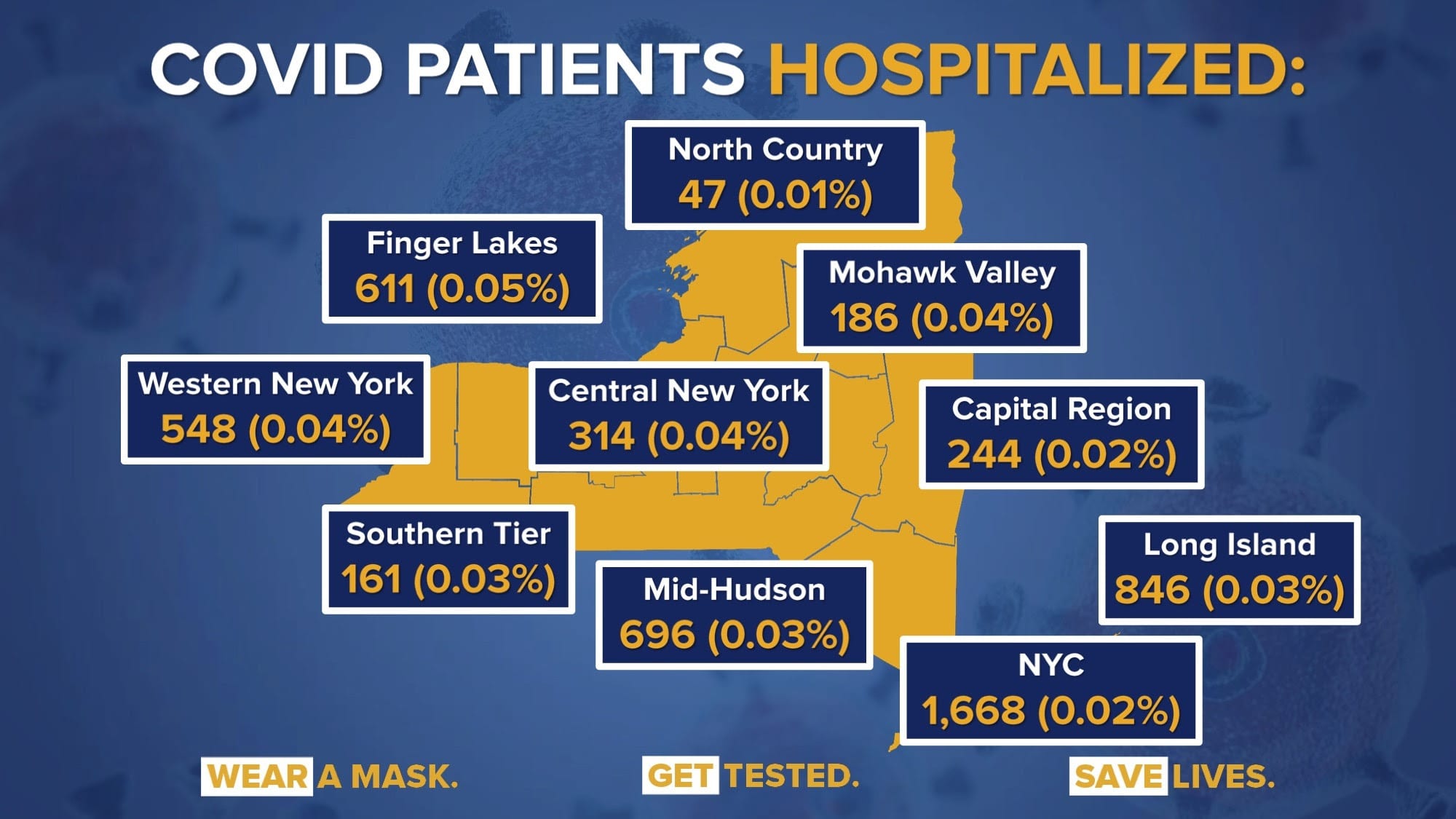
The Health Department attributes the recent rise in cases to an increase in gatherings, especially gatherings over the Thanksgiving holiday weekend.
“For many people, we can point back to an exposure to a known case at one of these small gatherings or them having traveled out of the community to a gathering and then having returned and becoming positive,” Kruppa said. “At the same time, almost half of our cases were unable to determine a point of exposure, which means we have COVID here in our community and people can get exposed.”
Kruppa said that whether COVID-19 cases continue to increase here will largely depend on how folks spend the remaining winter holidays like Christmas and New Year’s Eve.
“If folks follow the guidance and try to limit their celebrations to their households and find other ways to make connections with family and friends, hopefully, our numbers will either stay the same or go down,” he said. “If we don’t and people gather in larger groups with multiple households and don’t follow the guidance, then we could expect to continue on a trajectory of increased cases.”
Tackling a vaccine distribution program with cases spiking has created a challenging situation for many county officials, Kruppa and Molino described. Kruppa described the toll it’s taken on his staff.
“Our team is tired,” he said. “The nurses and the other staff at the department and the other county departments that are now helping us out, they’re working long hours trying to get people isolated and into quarantine and then checking up on them every day. And now, we’ve got the vaccine coming, and we’re having to manage how that’s going to get distributed out.”
Molino described what it’s been like on his end.
“The COVID fatigue has set in from a lot of different angles,” he said. “Generally, emergencies don’t last this long. … Not only are we managing the disease, but now, we’re managing an implementation of vaccines. So, we’ve got now separate activities going on in the same event, so it’s been a challenge.”
While the Health Department and county administration are facing increased challenges due to the rising cases, Cayuga Medical Center reported a different situation within its hospital and testing centers. As Dr. Douglas MacQueen, CMC infectious disease specialist, explained, though cases are rising, the number of cases requiring hospitalization hasn’t changed much from the numbers earlier this fall.
“It’s possible that because we have a fairly young, healthy population here that the people who are infected are not getting as sick as you might see in some other locations,” he said. “I think we also have pretty good health care infrastructure to help with those patients on the outpatient side. And we put a lot of work into making sure that we can help take care of patients through Cayuga Health System and Cayuga Health partners to have their primary physicians help manage them as outpatients.”
In addition, MacQueen said Cayuga Health has used a medication that was approved by the FDA a few weeks ago in its emergency room for people with COVID-19 or those who are at risk of getting very ill from the disease.
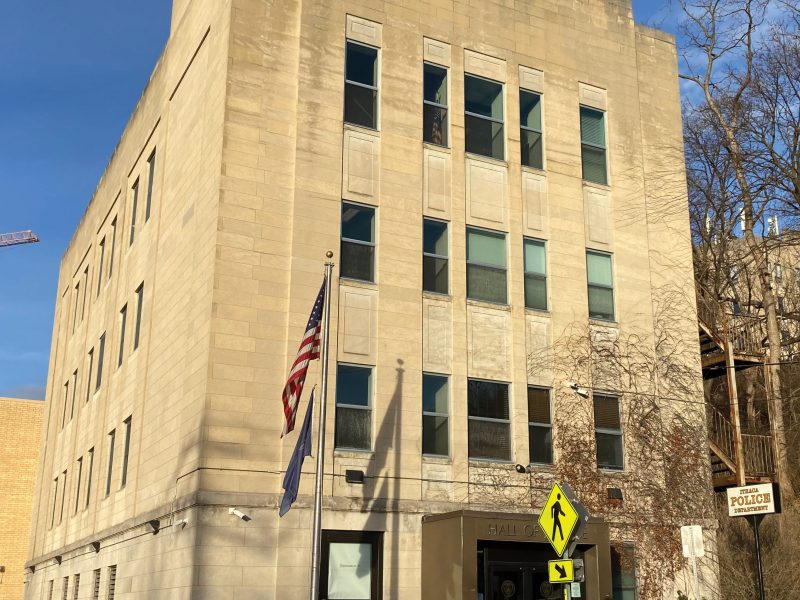
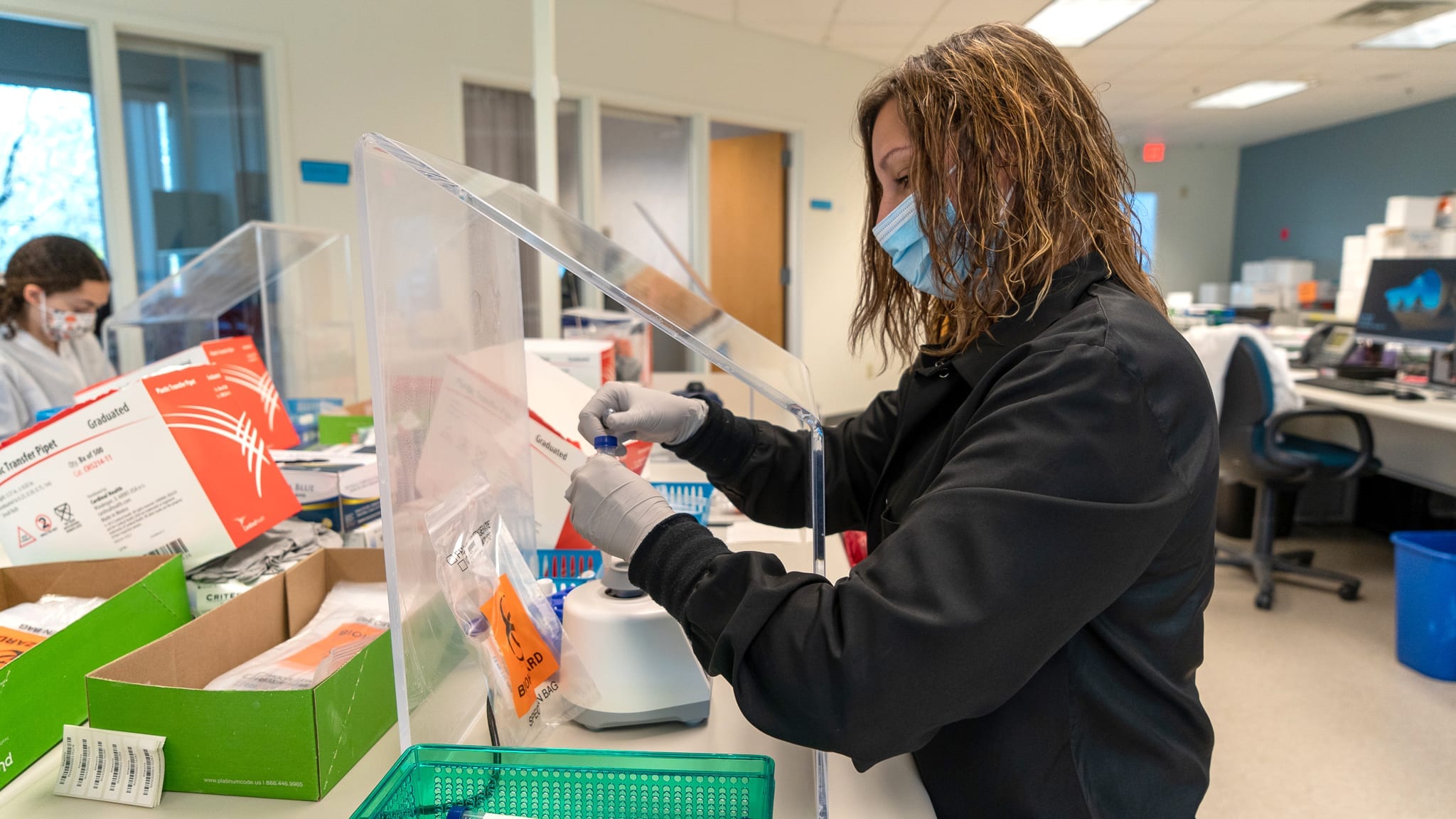
Another success for Cayuga Health was its recent opening of a second testing center in downtown Ithaca, creating a second option in addition to the location at The Shops at Ithaca Mall.

“The idea there is that the mall site’s been great,” MacQueen said. “It provides access for people who can get there that’s far and away superior to what most places in the state have available. … But for those who live downtown or couldn’t get to the test site, this provides an alternative to help make sure that we are able to offer testing to larger and larger segments of the population. And people have been pretty happy with that service so far as I can tell.”
The challenges that Cayuga Health is facing are consistent with what it’s been facing over the past several months, MacQueen explained. The largest challenge is an emotional one, as many of the patients with COVID-19 who staff treat struggle with isolation.
“Those patients feel a little bit isolated because they don’t have visitors or loved ones who come in to see them,” MacQueen said. “So, there’s a bit of an emotional component that can weigh on people as they’re helping patients through that. … The nursing staff becomes kind of a substitute for family members and helps out a lot that way, which I think can be draining for a lot of staff after doing it day in and day out.”
Despite the challenges, though, MacQueen, Kruppa and Molino said their staff are dedicated to helping the county fight COVID-19, and it’s that hard work that has helped Tompkins County fare better than other surrounding areas.
“The leadership that everyone’s shown and the collaboration in this community, I think, is a big part of why we’ve been so successful and this community’s been so successful,” Molino said. “It’s a committed group, not only our own staff, but a committed group of community partners that have come together to make this successful, and we’ll continue to do it.”
In the coming weeks, Kruppa, Molino and others will be working diligently to inform residents, distribute the vaccine to high-priority individuals and decrease community spread. To help in that goal, Molino asked residents to continue their patience and cooperation.
“Patience is huge — patience with us, but [also] patience with each other,” Molino said. “People, I think, they’re getting cooped up again and then quarantining, isolating, keeping distances. We’re going to be going on a year, at the end of the day. We’re heading into the winter months, which is normally people inside just because it’s so cold. So, [have] patience with the process that we’re going to go through, patience with each other, enjoy the holidays, paying it forward.”
Kruppa echoed that sentiment.
“I know it’s been a long go, and people are struggling because of the things that we’ve asked them to change in their lives, but we can see the light at the end now,” Kruppa said. “If we can just manage to get through these next few months, continuing to take the steps that we’ve been taking to keep the disease levels low while we work on the solution, getting the vaccine out to people, we’re going to get through this.”