
From economic summit: Plans to connect downtown, hire public space director
At the Tompkins County Chamber Economic Summit held March 28, one of the event’s breakout sessions at Cinemapolis was titled “Ithaca’s Downtown Plan: Livability, Connectivity, Creativity.”
The presentation included ideas for connecting the city neighborhoods, adding green space and fostering economic vitality.

“We are a small city, but I can attest after my 22 years in Baltimore, we are facing most of the same challenges as cities much, much larger than we are,” said Nan Rohrer, chief executive officer of Downtown Ithaca Alliance (DIA). “These are things that impact our entire nation, and quite frankly, the entire world.”
There are the ongoing economic impacts of COVID, Rohrer said.
“We’re having difficulty filling office space due to the transition to work from home. We’re struggling to find employees, particularly in the service sector,” she said, adding that the increased costs of living and overall inflation have “severe impacts for all of us.”
“We have unhoused populations,” she added.
She acknowledged that among Ithaca’s other issues are the individuals struggling with mental health and drug addiction, as well as walkability that applies only to certain neighborhoods.
“As we think of our plans for the next decade plus, we need to understand how we capitalize on the larger downtown in our adjacent neighborhoods,” Rohrer said.
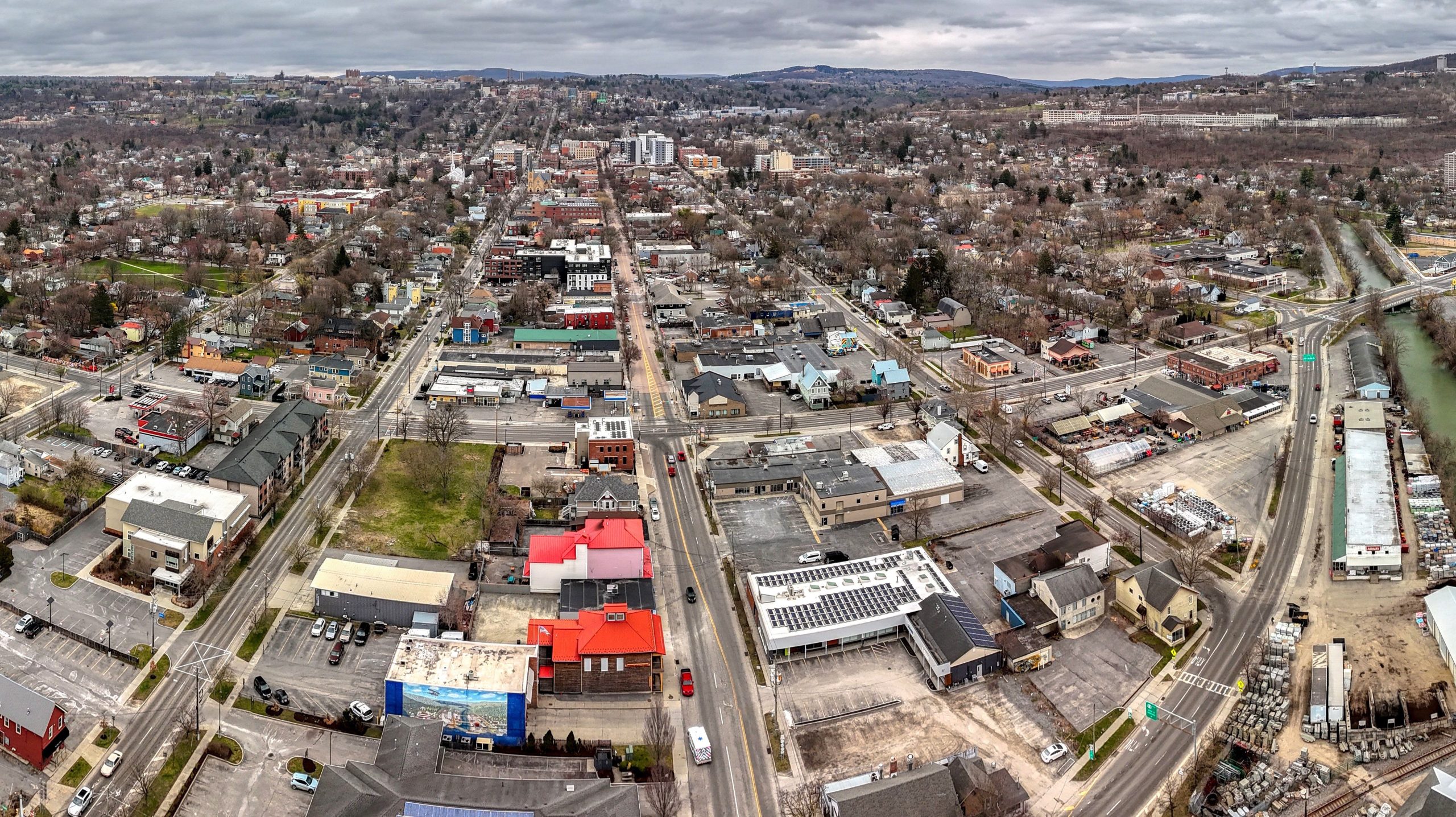
“The waterfront is a benefit that draws people,” she said. “How do we get them to also visit downtown? Route 13 brings a heavy volume of through traffic going to other places in the Finger Lakes. How do we get them to drop into downtown, grab a meal, stay for a show?”
She also posed the question of how Ithaca can capitalize on real estate opportunities along the West State Street corridor to provide new and needed retail to those adjacent neighborhoods and how to prepare for the inevitable changes to come.
“I’m glad that I’m in a community that is working through these questions together,” Rohrer said. “I’m fortunate to have colleagues at the city who are working diligently to be prepared for those next steps.”
One of those colleagues, Yamila Fournier, senior planner for the city of Ithaca, presented a plan that addresses many of the questions Rohrer brought up in her presentation.
Plan Ithaca, a comprehensive plan for the city of Ithaca, is intended to guide the Ithaca Common Council, city departments, the DIA and the community in efforts to continue the revitalization of the city’s three primary density and commercial zones, starting with the West End, the West State Street Corridor and the Downtown Corridor.
Development of the plan began in 2019 and was put on hold due to the pandemic, but the Joint Downtown Plan Advisory Committee reconvened last fall so its members could review the recommendations that had been made back in 2019.
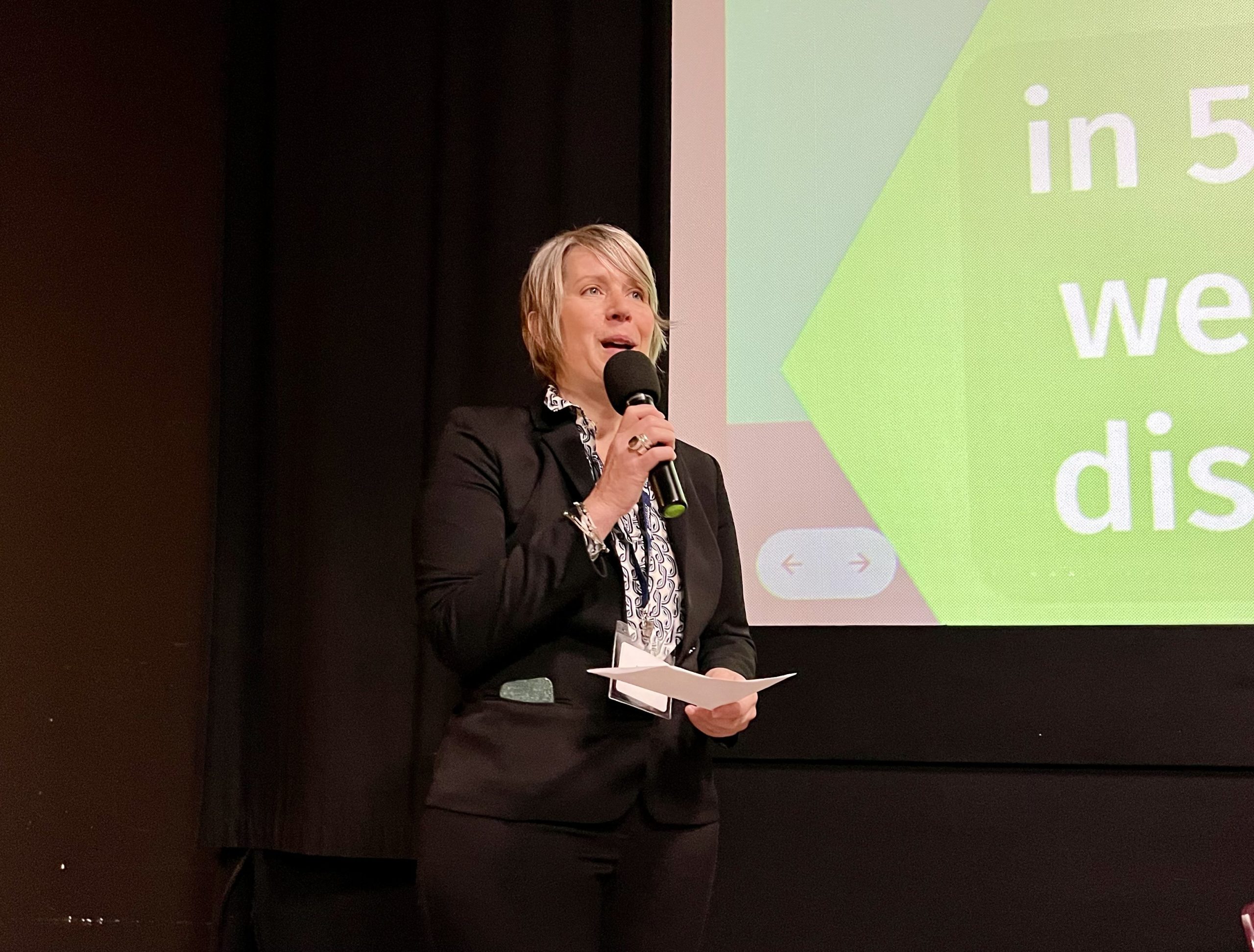
“Our role changed so much in those three years that we needed to really give ourselves a moment to see, is this still what we want? Is this still what we need? And of course, we look at wording them to make sure they’re ready for public feedback. They’re not perfect. They’re not meant to be perfect yet,” Fournier said.
Back in 2019, when the group collected feedback from local residents regarding their hopes for the city’s future, the group put together 106 recommendations, out of which three major themes emerged: livability, connectivity and economic vitality.
Fournier said that those involved in the Plan Ithaca effort are taking inspiration from projects like 43 Green in Chicago, a 99-unit mixed-income apartment building with ground floor retail that partnered developers with city and federal agencies to overcome decades of disinvestment in this neighborhood.
“And they built the first of what they call an equitable transit-oriented development in the neighborhood, and it has spurred additional development,” Fournier said. “So, the first building went up, and it was so successful there’s now a phase two and a phase three going on. …We can do this kind of thing, too.”
The plan includes policies and initiatives to improve the livability of the West End and to attract a variety of housing types to the area that would serve a wide range of income.
“So, this recommendation in the housing section recognizes that adding additional housing in the West End will be most encouraged if the city takes steps to make the West End more attractive, with better functioning streets, sidewalks, increased green infrastructure, increased spaces, more goods and services and better connections to the rest of the city,” Fournier said.
Effective stormwater management is also a key part of the plan.
“We all have seen the updated FEMA mapping that makes us acutely aware that increased climate instability means that downtown Ithaca will feel the burden of flooding,” Fournier said. “We’re all going to be impacted by this. As we work to densify our downtown neighborhoods, we need to make sure that we are encouraging best practices in stormwater management because every bit of water that a new project can defer from our streets, defer from our basements, increases every property owner’s safety.”
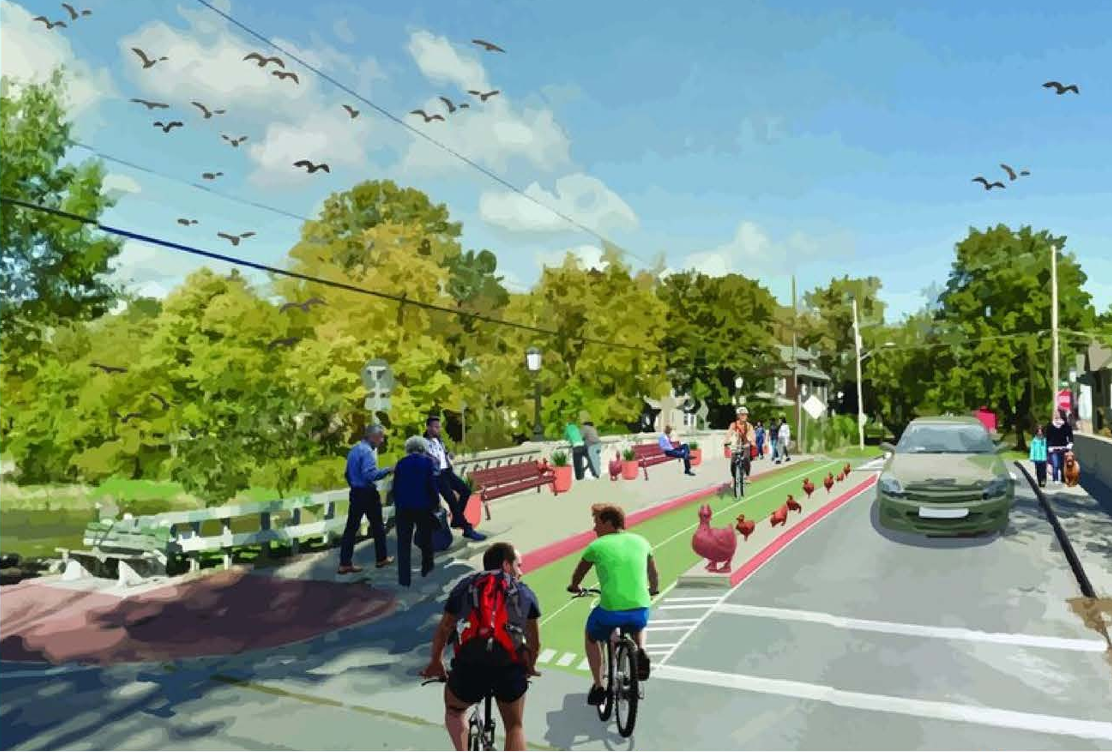
Another big theme is increasing connectivity to reduce single-vehicle use, a goal Fournier characterized as “crucial.” In its comprehensive plan, Ithaca pledged to prioritize walking, biking and mass transit.
“To fulfill that promise, the city needs to build complete streets and address dangerous pedestrian crossings,” Fournier said. “We need to connect and expand our bike infrastructure. We need to build trails that connect our downtown to the southwest shopping area and to surrounding natural areas. And we need to manage parking to balance city goals and increase the ease of transit use both into and out of downtown.”
She used the new West Hill sidewalk and bike lanes on Hector Street as an example.
“It took a little bit of very clever, clever design work, but we were able to accommodate the needs of drivers, of bicyclists and pedestrians, as well as account for some snow-plowing storage,” Fournier said. “Until this was installed, residents from West Hill had no safe way to get there. And we didn’t even imagine that it would be any different than it could be. Now, we have a wonderful way of connecting people to the downtown. We need to do that a bit more.”
To help achieve this, the planning department is working with the New York Department of Transportation and the Ithaca-Tompkins County Transportation Council, as well as other interested agencies, to transform the Meadow and Fulton one-way couplets into an urban boulevard with improved pedestrian and bicycle infrastructure for the purpose of reconnecting areas of the city that are separated by those major roads.
“So this is the one-way couplet at Meadow and Fulton [that] sees thousands of cars a day, with heavy traffic, narrow sidewalks and difficult crossings. This essentially creates an island, and it separates downtown neighborhoods from the waterfront and the West Side,” Fournier explained.
“Over the next few years, our challenge will be to, once that’s installed and once those changes are made, to figure out how to connect those changes made along Route 13 past Purity Point south along Meadow and Fulton, so that we have this beautifully knit together set of streets.”
Thomas Knipe, deputy director of economic development for the city of Ithaca, spoke about the economic vitality of the downtown area and some initiatives the city is pursuing to help foster a vibrant downtown. Knipe said there are plans to explore options for a business improvement district or similar system for the West End and West State Street.
Second, the city is exploring incentives, partnerships, and policies that facilitate the construction of non-market-rate housing in the downtown core, where he said land and construction costs are high.
“Finally,” Knipe said, “[we aim to] develop targeted strategies to address chronically vacant and distressed properties in the downtown area. We do have these, and we need to address them. How do we do that?”
After the presentation, during a question-and-answer period, Tompkins County Legislator Mike Sigler asked about security downtown, especially now that the city police department is seeing results of recruitment efforts, spearheaded by the new police chief, Thomas Kelly. Sigler said he hears from the public that the perception of an unsafe downtown area continues to prevent people from visiting.
“Frankly, the people that don’t live in the city and wouldn’t mind coming to visit are not, because of that issue,” Sigler said.
“Safety is obviously a major issue,” Rohrer said. “As far as security downtown, that is not something that we are interested in doing from the DIA’s perspective in the sense of us hiring a security firm and they come downtown and act as a supporting role.”
The city is looking to hire a public space operations director, who would be “someone who oversees everything that goes on outside. That is posted on [the job site] Indeed,” Rohrer said, adding that she envisions the position being at least one full-time role.
“If I can get sufficient funding, we will have two full-time or one full-time and two part-time,” she said. “We need those positions to be predictable, and they can’t just be 9 to 5. They need to be seven in the morning, and then again until ten at night. They need to be tied in directly to the police. The other piece is then also they need that relationship with the individuals who are out and about, whether they’re behaving positively or negatively.”
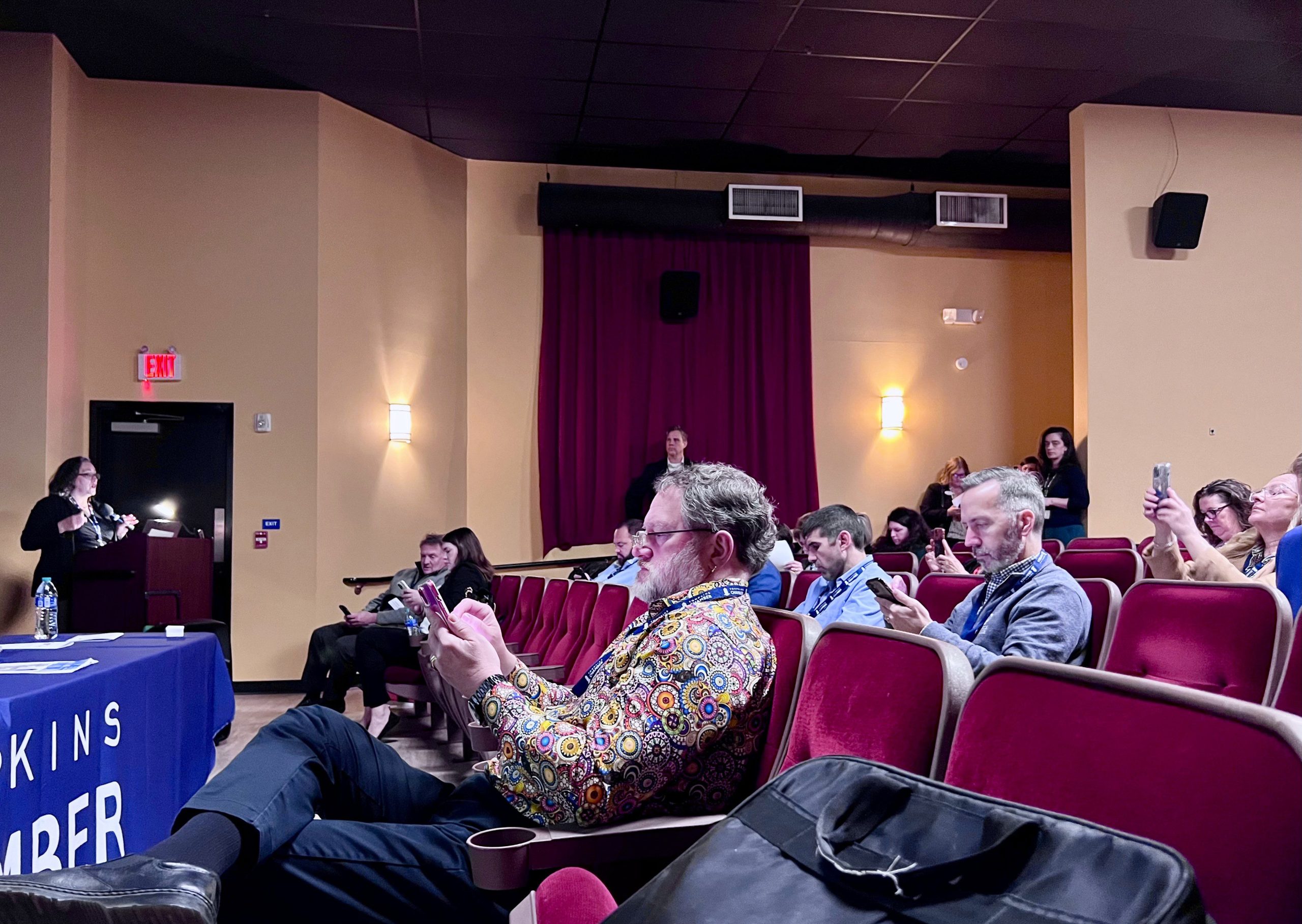
Chamber member Jennifer Karchmer, who attended the breakout session, said she was excited about seeing ways to make downtown thrive.
“When I was a student, years ago, I loved going to the Commons for events and nightlife. Today, unfortunately, I see some closed storefronts and hope the city can turn that around,” said Karchmer, a 1991 Ithaca College alum. “Ithaca is such a special city. I love all of the festivals, live music and local food.”
The presenters asked that the public fill out a survey at tinyurl.com/IthacaDTPLan and come to an open house hosted by the City of Ithaca in partnership with Tompkins County Public Library, to be held on May 2 from 4 to 7 p.m. at the library.
Author

Related Articles
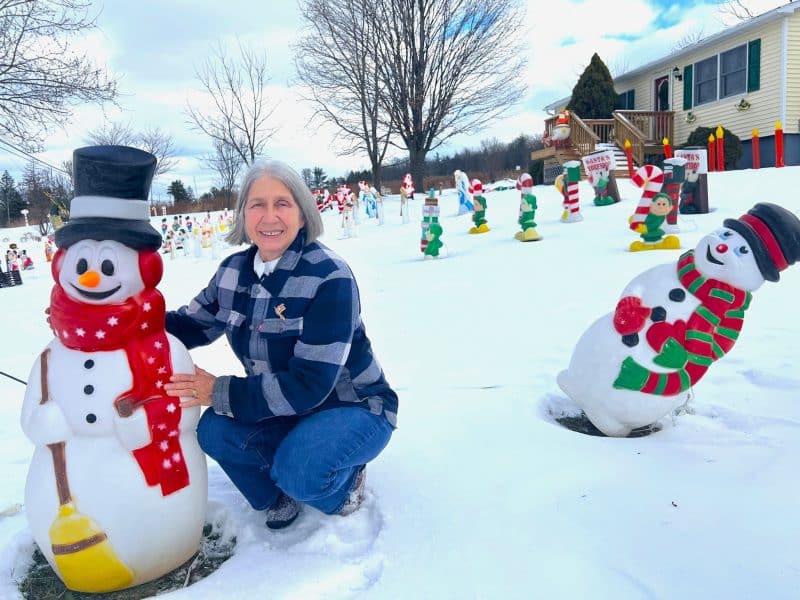
Holiday traditions bring community cheer
Tompkins County holiday traditions light up homes, farms, and schools with festive cheer and community spirit.
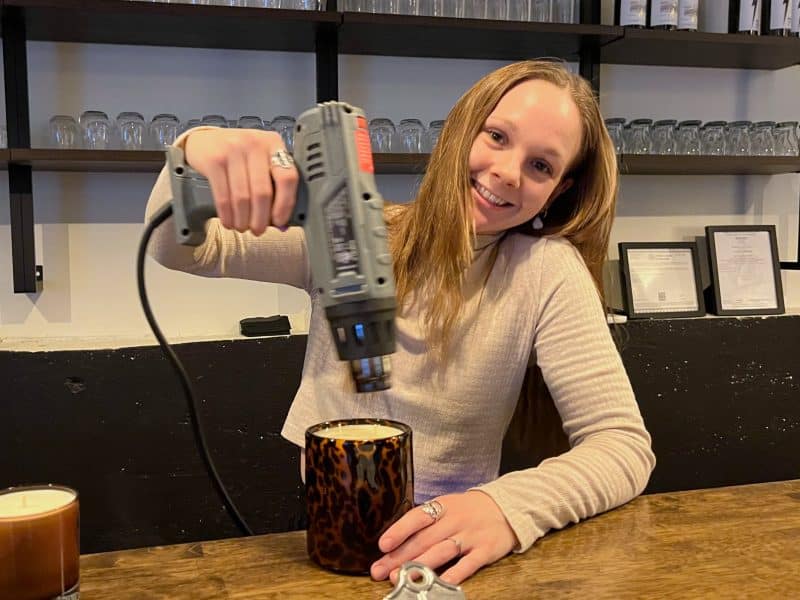
The gift of an experience: Local businesses offer hands-on holiday fun
Holiday experience gifts in Tompkins County include candle making, gourd crafts, and pottery workshops for creative seasonal fun.
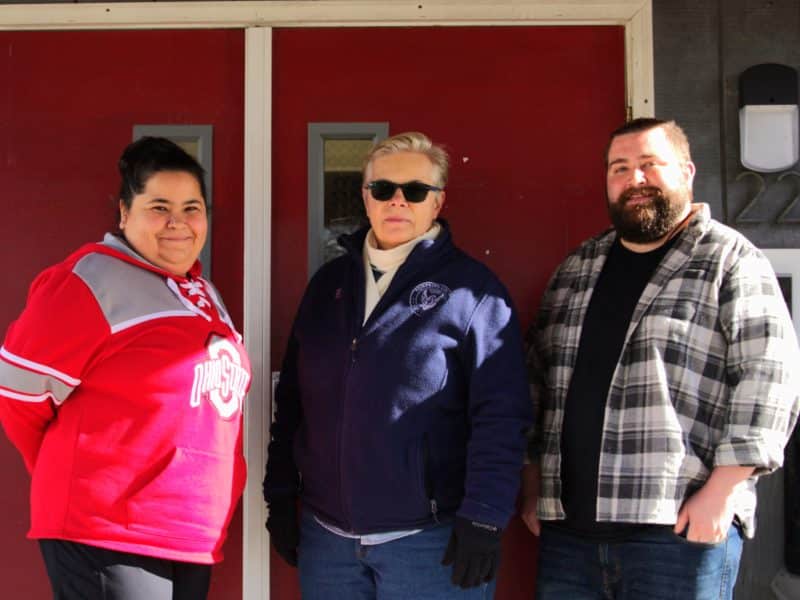
Code Blue shelter opens amid praise, concerns and ongoing debate
Ithaca’s Code Blue shelter opens with larger space, showers, and case management to help residents during cold weather.