
IC competition still possible in winter

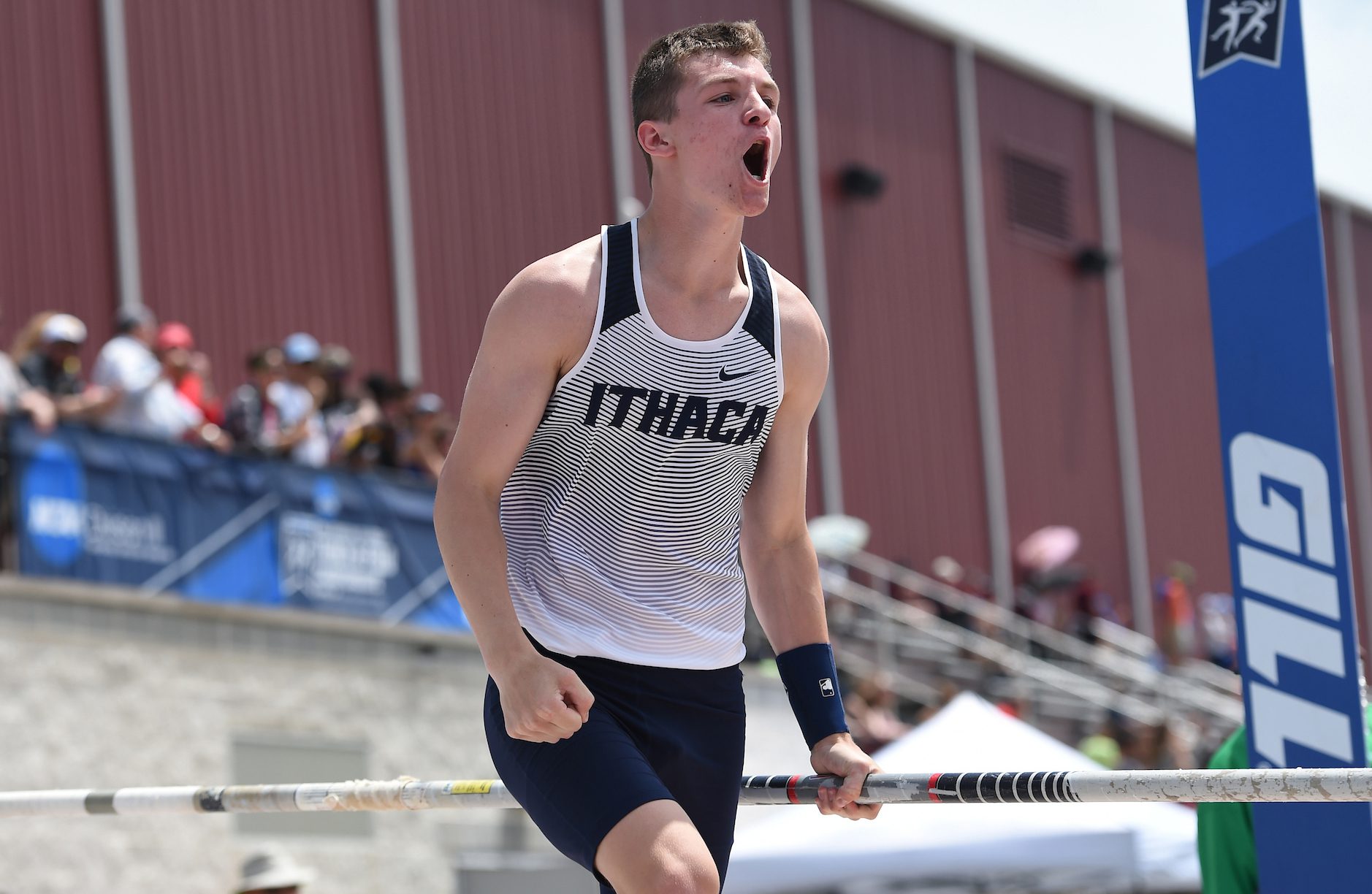
Last week, the Liberty League, the athletic conference that Ithaca College participates in, canceled all winter sports. This means the last competition for Ithaca this year was in March at the very beginning of the spring season prior to its cancellation.
The decision was made last Monday at a meeting that involved the presidents, vice presidents and athletic directors of all 12 institutions in the Liberty League Conference and was subsequently announced that day. Ithaca’s director of intercollegiate athletics, Susan Bassett, addressed having the winter season scrapped.
“The rates of infection are just off the charts right now, more than double what we were seeing in the summer and last spring when we had the shutdown,” Bassett said. “All of our campuses are reducing travel, eliminating visitors to campus. When you look at how, as an institution, we are all trying to mitigate the risk and then try to layer on top of it travel and bringing guests to campus, it just was a high bar to clear to move forward with competition.”
One uplifting point for student-athletes at Ithaca is that local competition is still possible. The Liberty League’s decision axed conference play and conference championships but did not bar the schools from winter sports. Bassett discussed the potential for winter competition when students return to campus in February.
“We will look at the data and the incidents and our relative comfort with moving forward with engaging in competition with other schools,” Bassett said. “At Ithaca, we’ve talked about limited local competition — so, no overnight and something that would be traveled within probably 50 or 100 miles. All of that is really in the realm of possibility.”
In all likelihood, the higher-risk winter sports like basketball and wrestling won’t be a part of that local competition. Bassett specified what kind of competition could take place.
“You could imagine competing in track and field, the same with gymnastics,” she said. “That’s an example. I’ve been contacted by a number of the Rochester schools about competing. I don’t think that we would be making a trip to Poughkeepsie to play Vassar or up to the Capitol District. But I just think we owe it to ourselves and our students to keep possibilities open.”
Bassett understands that this is far from an easy situation for all of the student-athletes, especially the seniors who will go without a final year of competition unexpectedly.
“We’re breaking hearts,” Bassett said. “There are seniors who are going to graduate this year and looked forward to being able to have a season, even if it was an abbreviated one. So, there’s disappointment. I’m also hearing quite a bit that our students who have not yet been on campus for in-person or hybrid instruction are just looking forward to getting back to Ithaca and being here and being together and being with their coaches and teammates and training and practicing.”
The decision to cancel winter sports was made after alternative options were exhausted, as Bassett truly wants student-athletes at Ithaca to have the best experience possible. The COVID-19 pandemic simply made that reality too difficult.
“It just breaks my heart,” Bassett said. “I’m somebody who lives in the land of possibility. We want to always do as much as we can possibly do for and with our students and our coaches, who are just first-class educators. I’m so proud of them and how hard they work to be engaged and create meaningful engagement while we are remote. I don’t ever want to get used to this. If it didn’t hurt, I shouldn’t be in this job. It still hurts.”
Spring sports are still on the table for Ithaca, as they were not addressed at the Liberty League meeting that ended the winter sports season before it began.
“A decision has not yet been made about spring sport competition, and we are still hopeful that we could engage in spring sport competition in both the Liberty League and beyond,” Bassett said. “One of the reasons that I think that possibility remains strong is that they’re all outdoor sports. Being outdoors will mitigate or reduce the transmission [of the virus].”
Winter sports teams will still be able to hold practices and training sessions if and when Ithaca reopens its campus. That is planned to happen in February, but Bassett hopes to have student-athletes in Ithaca starting in mid-to-late-January. The early arrival is to ensure student-athletes go through COVID-19 protocols as early as possible to get them into practice sooner rather than later.
One final point Bassett made is that Ithaca has the testing capabilities to ensure future athletic competition, whether it be local competitions in the winter or a full slate of spring sports. The school is hard at work to give student-athletes the best experience possible after an incredibly difficult year.
Related Articles
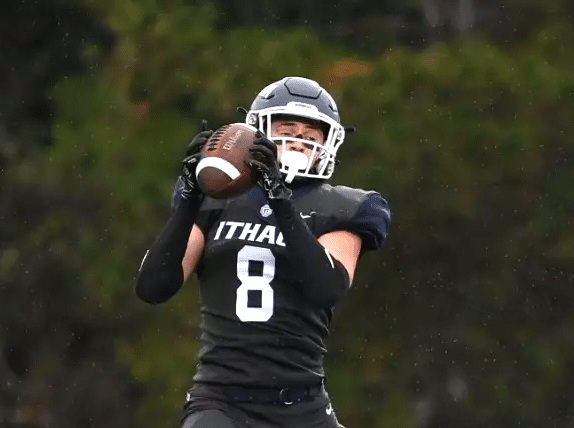
Ithaca College’s Derek Slywka excels in Canadian football
Derek Slywka football star excels with Toronto Argonauts in CFL 2025, with highlight-reel plays. Read more!
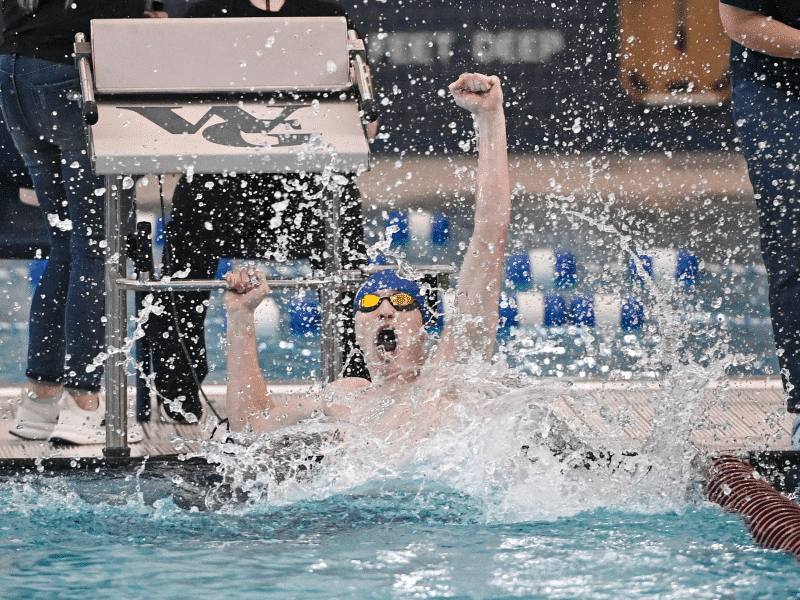
Lansing’s Connor Lajza to join Ithaca College swimming
Connor Lajza joins Ithaca College Swimming team in 2025, bringing record-breaking talent. Read more!
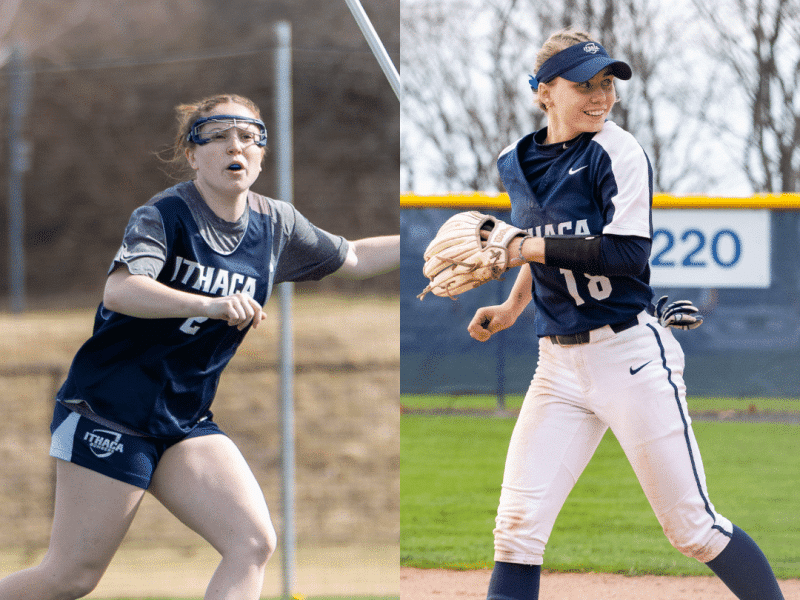
Ithaca College women’s lacrosse, softball claim conference crowns
Ithaca College’s women’s lacrosse and softball teams, led by stars Kaitlyn Russell and Cate Murray, clinched Liberty League titles on May 4, 2025, continuing a year of championship success across multiple sports.