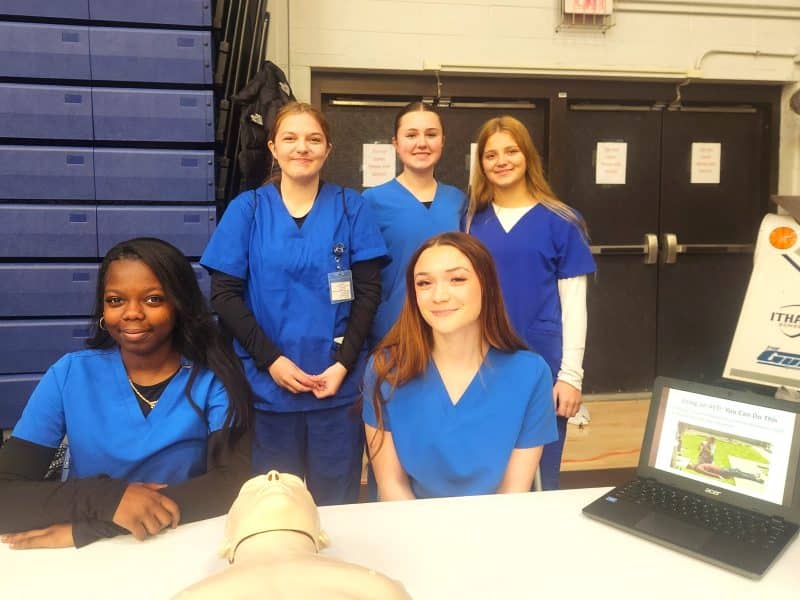
Innovators from the start, TC3 faculty and staff continue to lead the way

This is the second in a three-part series about Tompkins County’s institutions of higher education. With articles featuring speeches from three college presidents, made during the weekly meetings of the Ithaca Rotary throughout the month of February, our March 6 issue will feature an article about Ithaca College. For our first article in the series, which is about Cornell, please see our Feb. 14 edition.
Connecting students to the workforce, creating international opportunities and exploring a potential new use for the residence halls were topics of a wide-ranging and comprehensive presentation given by Tompkins Cortland Community College (TC3) President Amy Kremenek at an Ithaca Rotary meeting Feb. 21 at Coltivare.
Kremenek gave an overview of the college’s past and a glimpse into its future, highlighting, among other things, the college’s new microcredentials program, which allows students to take one class at a time and apply their knowledge directly to their career.

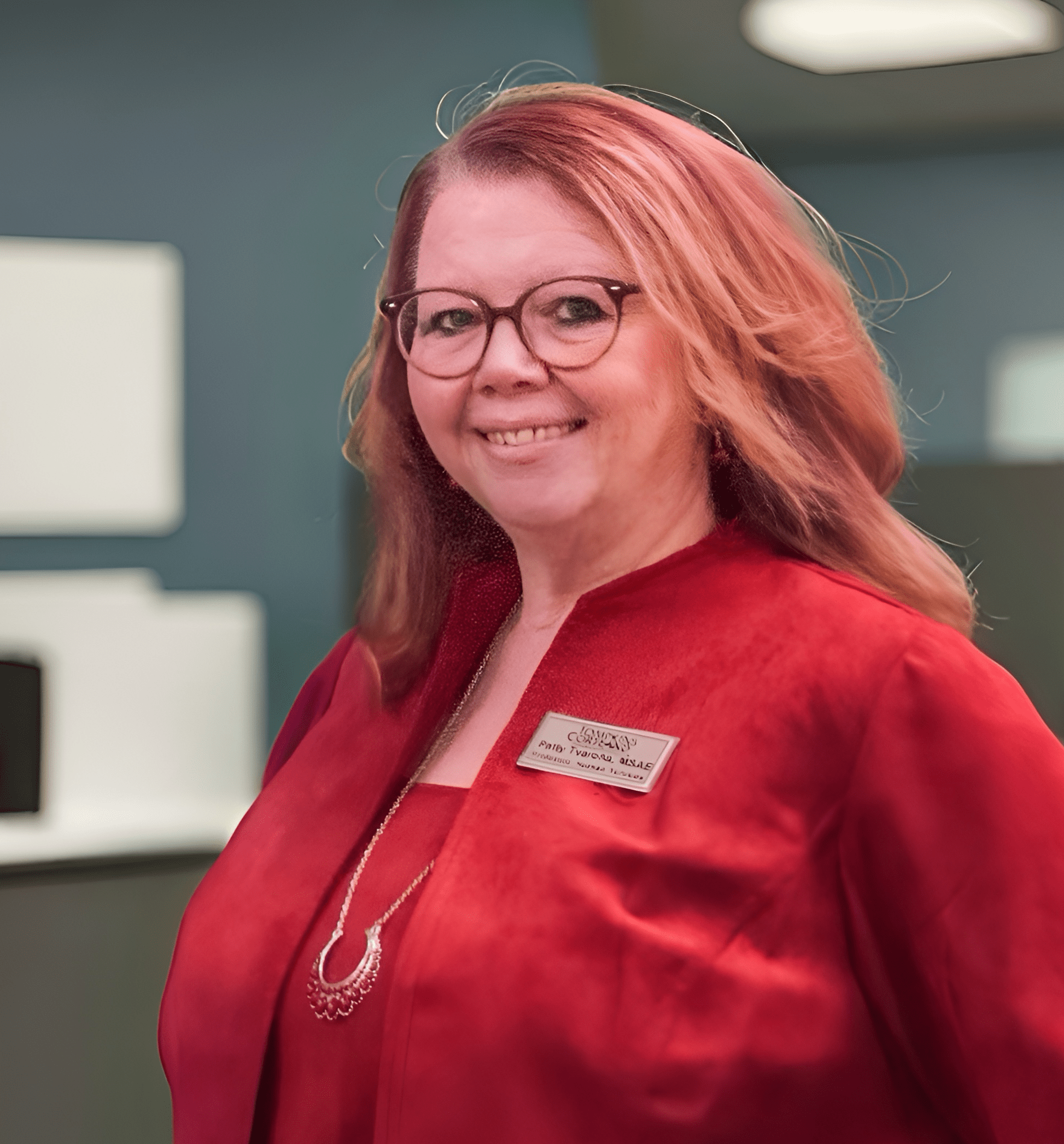
Patty Tvaroha, chair of TC3’s Human Services program, which encompasses the college’s Direct Service Provider microcredentials, said Feb. 23 that TC3’s unwavering support of its staff and willingness to take chances and innovate are reflected in her 17-year career trajectory at the college.
“I feel 100 % supported in any harebrained idea I get,” Tvaroha said with a laugh. “If I say, ‘I think that this could work,’ it’s like, ‘Great, try it!’” she said. “I feel like TC3 is my family, and they’re very supportive. For any business, it’s probably important to be flexible, but particularly with higher ed right now, all colleges are struggling with enrollment, and I think us being able to be innovative and meeting students and the community where they are at has really helped us to be able to flourish.”
History
Kremenek began her presentation with an overview of the college’s past.
“I am one for history,” Kremenek said. “I think it’s critically important to know where you came from in order to know where you are going.”
The state of New York approved Tompkins Cortland Community College as a new SUNY institution in November of 1966.
Doors opened to students in September 1968 for 133 day students and 47 evening students, who attended classes at the former Groton High School. The doors of the new campus in Dryden opened in 1974. Kremenek mentioned that new plans for the college’s future will likely include improvements to the buildings, as many of them have been around for half a century.
“Our main campus is 50 years old this year in September, and as we were talking this morning … we had an all-campus conversation around the topic of our mission and vision and values, because we’re starting our next iteration of the strategic plan, and we were saying, ‘You know, we’re 50 years old, and we’re kind of showing our age in a couple of places around our buildings,’” Kremenek said.

Enrollment continued to grow throughout the ’70s and ’80s. In the 1990s, the college opened extension centers in Ithaca and Cortland, added on-campus housing and offered its first online courses as well as a Global Initiatives program, which “welcomes people literally from around the world to our campus, which really brought a whole new experience to our students, both for our international students who are coming to TC3 to learn about this country, but also for our domestic students, many of whom may not have had the opportunity to travel but have an opportunity to learn from people who are very different from them and have a very different set of experiences,” Kremenek said.
Core enrollment reached a peak in the mid-2000s, then saw a decline in the 2010s that was later exacerbated by the COVID-19 pandemic.
Since 2022, enrollment has begun to grow again. Kremenek said that residential students are returning, microcredential programs are expanding and the college is now prioritizing hiring for key positions.
Supporting all students
The college offers numerous services to support the student experience, Kremenek said, including a health and wellness center, which offers health care and mental health counseling, and the Panther Pantry, which offers free food for all students. TC3 was the first community college in New York with an on-campus pantry, and it was recognized for its excellence by the Food Bank of the Southern Tier.
“About 60% of our students are PAL eligible, so these are very under-resourced students,” Kremenek said.
“You may hear a lot now about colleges being required to offer food pantries, and now there’s funding for food pantries and all of that, but TC3 made the decision long ago that a food pantry was necessary for our students to be successful,” she added, explaining that the pantry is designed to be like a retail experience.
“We did not feel that someone’s need for a food pantry was something to be ashamed of,” Kremenek said. “It is not buried in the basement. It is right up in the front, and it is open to the entire campus community.”
Everyone, including faculty and staff, receives a set of points that they are able to redeem at the pantry, which Kremenek said helps to reduce the stigma of needing to access a food pantry.
Other ways in which TC3 supports students from all walks of life: two on-campus childcare facilities, one of which just opened in 2019, two diversity initiatives (the Educational Opportunity Program and the Louis Stokes Alliance for Minority Participation) and global study-abroad opportunities, as well as the facilitation of international students on campus.
Developing the workforce with microcredentials
Microcredentials are “fast and focused” and help fill a need in our modern society, Kremenek said. TC3 offers 14 microcredentials currently, with several more coming soon. All microcredentials are created with input from local employers to assure their needs are met, and funding is available so that many students can take advantage of the programs for free.
“These are short-term programs, anywhere from about six to 15 credits, that are immersed in the workforce, so these are really workforce skills-based programs,” Kremenek explained, adding, “We are a leader. We offer the most microcredential programs — and they are all credit-bearing — within the state.”
TC3 works hard to make sure the microcredential programs are useful in the current job market.
“We are getting input from local employers about what the needs are in the workforce,” Kremenek said.
Unity House provides transitional and permanent housing; respite care; and rehabilitative and employment services for people with mental illnesses, developmental disabilities and/or substance use disorders from which they are recovering.
Unity House offers its staff a pay rate increase for every Direct Service Provider (DSP) credential level completed, which can boost pay by as much as $1 per hour. Wages also increase significantly for employees who hold an associate and/or bachelor’s degree. The academic credit earned through the credentialing courses provide a head start on a degree in human services.
“This legitimizes and validates everything our DSPs are wanting for themselves,” said James Beaumont, assistant director of day services, in a recent TC3 press release. “A lot of our DSPs have expressed interest in going back to school. … Now, we have the capability to provide that college-level training at no cost.”
TC3 makes sure that all of the microcrediential credits they offer are accepted by most colleges, so starting with microcredentials can be an entry into a longer journey of higher education.
“One of the things that is unique is that all of the classes are considered electives that will fit right into a human service associate degree,” Tvaroha said. “It’s a really great jumpstart on completing an associate degree.”
The DSP program is supported by a grant from the Office for People with Developmental Disabilities in collaboration with the National Alliance for Direct Support Professionals. Because of this, many students are able to take DSP courses free of charge. There are multiple levels of the DSP program and funding available to help students complete them all.
“The other nice thing about the grant is they are able to provide a $750 stipend for each level they complete, plus the agency just signed on to collaborate with us for a dollar-an-hour raise when they complete DSP 1,” Tvaroha said.
TC3 also works with local employers to provide customized training, offering open-enrollment classes ranging from Certified Nursing Assistant to leadership development.
Career prep includes internships at local businesses such as Counseling Services of Cortland County and American Dining Creations.
There is even an opportunity for students to work at Coltivare, located in downtown Ithaca. Coltivare, a farm-to-table bistro that opened in 2014, closed to the public during the pandemic but is planning to reopen this spring under the leadership of a new executive chef, Scott Riesenberger.
Looking to the future
TC3 is planning to take advantage of opportunities with its residence halls by looking at offering housing for adult students with families.
“We have space for over 800 students, and right now we have about 230 students [living in the residence halls], so you can do the math,” Kremenek said. “What’s one of the primary issues that we are facing in our region? There is a housing challenge.”
Through funding from the Park Foundation, TC3 recently completed phase 1 of a feasibility study related to the possibility of using the residence halls to house adult students.
“No doubt this would take a lot for TC3,” Kremenek said. “It would take a lot for our partners. But through the support of the Park Foundation, we are doing this feasibility study to determine if this might be something we can do.”
Kremenek said that the college is also looking forward to creating a robust Career Center on campus. Facility improvements will be detailed as part of TC3’s next master plan, she added, as will a Comprehensive Strategic Enrollment Plan designed to further stabilize and grow enrollment.
And more enrollment ensures a bright future for TC3, where careers like Tvaroha’s have been able to flourish and grow.
“I am an alum of the human services program here,” she said. “So, the opportunity to teach full time, and in the program I graduated from, and to now chair the program — it’s just a full-circle kind of thing.”
Author

Related Articles
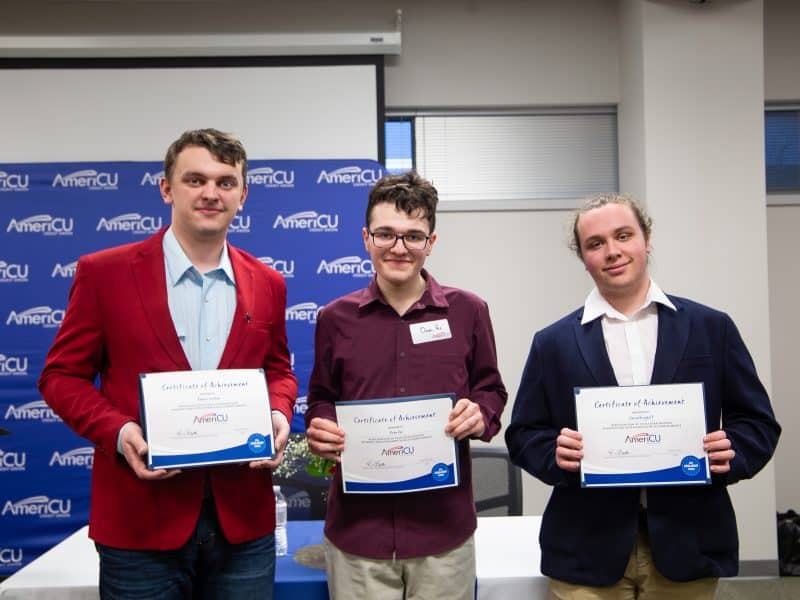
AmeriCU proudly connects students with annual scholarship opportunity
AmeriCU scholarship program awards $1,000 to students pursuing college or vocational education. Applications are open through March 15.
Trumansburg schools consider regionalization as TST BOCES plan advances
Trumansburg school regionalization remains undecided as TST BOCES outlines goals for shared services and student learning.