Into the Great Outdoors: A beginner’s guide to tracking
By Erin Marteal
Tompkins Weekly
“The first track is the end of a string. At the far end, a being is moving; a mystery, dropping a hint about itself every so many feet, telling you more about itself until you can almost see it, even before you come to it. The mystery reveals itself slowly, track by track, giving its genealogy early to coax you in. Further on, it will tell you the intimate details of its life and work, until you know the maker of the track like a lifelong friend.” (Tom Brown Jr., The Tracker)
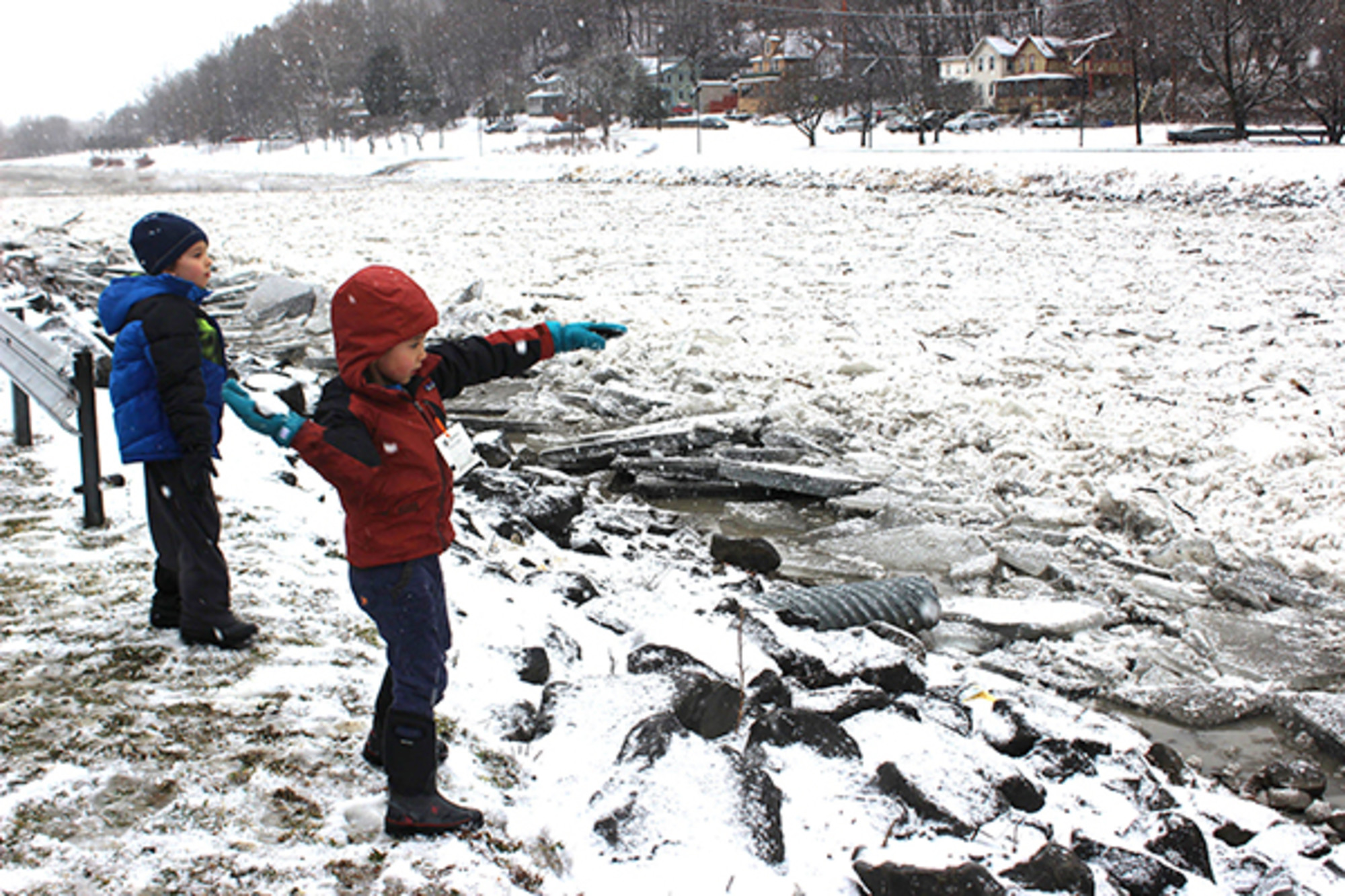
If you or your children enjoy detective work, tracking may be a compelling invitation to enter the outdoors with renewed purpose. While tracking can be practiced any time of year, a fresh blanket of winter snow (1-2” of fresh snow is easiest to track in) -helps reveal nature’s mysteries with heightened clarity, helping newcomers get started with a sense of satisfaction.
Getting acquainted with the tracks of your fellow winter-dwelling creatures can feed wild imaginations while honing scientific skills like observation, pattern recognition, and critical thinking. Human beings – particularly children – are naturally curious creatures and the solving of a good mystery – real detective work – is good fun. If you venture out on a tracking expedition, it’s good practice to allow plenty of time so you are able to follow the trail to the end, wherever it may lead.
Once you and your charges are adequately bundled up (check nws.noaa.gov for guidance on dressing warmly for the coldest weather), with a good pocket guide on tracks tucked under your arm (we like “Animal Tracks: A Folding Pocket Guide to the Tracks & Signs of Familiar North American Species; A Pocket Naturalist Guide,” though any good, laminated guide of local tracks will work), step out of doors and allow your spidey senses to awaken to the quieter winter world around you.
Tracking is not only about finding and identifying footprints, scat (animal droppings), or other animal traces, it’s about finding clues to piece together an entire story of a moment in time – sometimes as it is unfolding. Tracking reveals clues about where the creature(s) came from, where they’re going, and what happened along the way.
While it is wonderful to be able to head to the wood or an open field and start looking for tracks, you can also set a tracking plot in your front or backyard by raking a patch of ground clean of debris with a layer of clean snow or fine sand or soil, and leaving a tasty morsel (apple core) out before bed. Check the plot in the morning to see what nocturnal creatures have paid a visit.
Once you have found tracks or traces of creature activity, it’s time to start asking questions. What kind of animal might this be? What kind of animal is it not? Even if you cannot confirm identity of the animal, you can usually rule out what it isn’t. Next ask questions like “where did this animal come from? Where is it going? And also, what happened along the journey? Did this animal encounter anyone else along the way? Was it eating, hunting, being hunted? Was it fortifying a nest or hunkering down for warmth? It’s rewarding when clues definitively provide answers, but the act of questioning and hypothesizing is just as fun. The more you practice, the more “awake” your senses will be to the clues that help illuminate some of the mysteries of the living world.
You can also practice tracking skills by making tracks with a stick and mittened hand to mimic an animal that lives in your area. See if your companion can guess what animal it is, and what happened in your fictional track “story.”
Tracking is a great reminder that we are all animals. When your tracking expedition is wrapping up, you might want to follow your own tracks back, and see what the story is that your own tracks tell.
“With each discovery, your own tracks become more deeply entwined in the mystery you are following. Eventually, you absorb so many clues that the mystery and its answer are bound up inside you. The animal comes alive in your imagination.” (Tom Brown Jr.,Nature Observation and Tracking)
Related Articles

Affordable housing hiding in plain sight
Tompkins County Housing tackles affordability with MHCs. Explore solutions for 298 vacant pads in 2025!