
Signs of Sustainability: The Ithaca 2030 District continues to make progress
Ithaca 2030 District exceeds 2025 energy, water goals, grows rapidly. Support sustainability now!
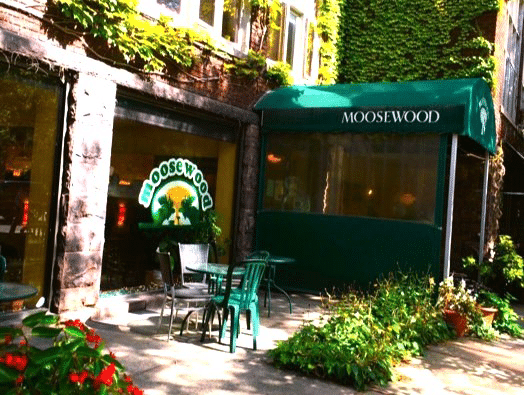
In 2023, 43 buildings and 583,269 square feet, including the downtown restaurant Moosewood, belonged to the Ithaca 2030 District, amounting in 2024 to a 28% rise in buildings and a 58% jump in square footage.
The big news from the Ithaca 2030 District is that 2024 marks the second year in a row that the District exceeded the 2025 targets for both energy and water consumption. The District realized overall energy savings of 36% from the baseline last year and used 55% less water compared to the baseline. That’s about equal to last year’s energy reduction of 37% in energy savings, and a significant improvement over the gallons avoided in 2023 (46%).
The other good news is that the District continues to grow rapidly. At the end of last year, there were 55 member buildings and 922,298 square feet of committed space, compared to 33 buildings and 417,089 square feet in 2021. That’s a 66% increase in the number of buildings and 121% growth in committed square footage in three years.
In 2023, 43 buildings, and 583,269 square feet belonged to the District, amounting in 2024 to a 28% rise in buildings and a 58% jump in square footage.
This positive report is especially welcome in light of the sharp reversal in energy policy under the current administration in Washington. The dismaying pullback at the federal level regarding energy efficiency and renewable energy underscores the importance of state and local action to reduce greenhouse gas emissions and keep moving the energy transition forward.
The Ithaca 2030 District—the flagship program of the Tompkins County Climate Protection Initiative (TCCPI)—is a voluntary effort by property owners and tenants to improve the energy and water performance of their buildings as well as to bring about cuts in commuter transportation emissions. We are part of a network of 26 cities in the U.S. and Canada, and the first 2030 District in New York, having been launched in 2016 with the support of the Park Foundation and a NYSERDA planning grant.
Despite a deepening commitment to climate denial by the current administration in the White House, the evidence of climate change in New York continued to mount in 2024, including more frequent and intense heat waves, heavier precipitation, increased coastal flooding, and shifts in agricultural growing seasons.
Globally, the average temperatures reached unprecedented levels, making it the warmest year on record. Particularly unsettling was the fact that 2024 marked the first calendar year to exceed 1.5°C above pre-industrial levels, the level at which scientists widely believe could lead to irreversible impacts of climate change.
Why the focus on reducing the carbon footprint of the built environment? Buildings in the city make up an estimated 58% of emissions in Ithaca, with the commercial sector contributing 38%. In light of this, it is clear that the built environment has a critical role to play in our community’s effort to achieve carbon neutrality. The focus of the Ithaca 2030 District on improving the energy and water performance of commercial buildings can thus help hasten the reduction of the community’s carbon footprint.
Commuter emissions still pose a very significant challenge in the city. Although they dropped from 1706 kg CO2e/commuter/year in 2021 to 1403 in 2023, they increased in 2024 to 1480. County and City data revealed even worse results, with the former hitting 1890 kg of C02e emissions per commuter and the latter coming in at 1750. Given the
accelerating pace of global warming, these data are clearly unsettling.
Besides the annual district-level report, each of the property members is provided access to a confidential interactive, dynamic dashboard that measures the energy and water performance of their individual buildings. These dashboards are regularly updated so that building owners and tenants can monitor their progress towards the individual 2030 energy and water targets.
Check out the full 2024 report for details about the progress and growth of the Ithaca 2030 District.
Peter Bardaglio is the executive director of the Ithaca 2030 District and founder and coordinator of the Tompkins County Climate Protection Initiative. Signs of Sustainability is organized by Sustainable Finger Lakes.
Related Articles

Signs of Sustainability: Growing trust and resilience in Danby
Danby community resilience grows as neighbors build relationships, share resources, and create supportive local networks.
Signs of Sustainability: The GrassRoots Festival grows greener
GrassRoots Festival sustainability grows with Dish Truck’s reusable dishes and state-backed waste reduction initiatives.

Connecting the dots on AI and electric bills
Sustainable Finger Lakes highlights impacts of AI data centers on electricity prices, climate, and local communities.