
K-12 schools reopen in person, navigate continued mandates
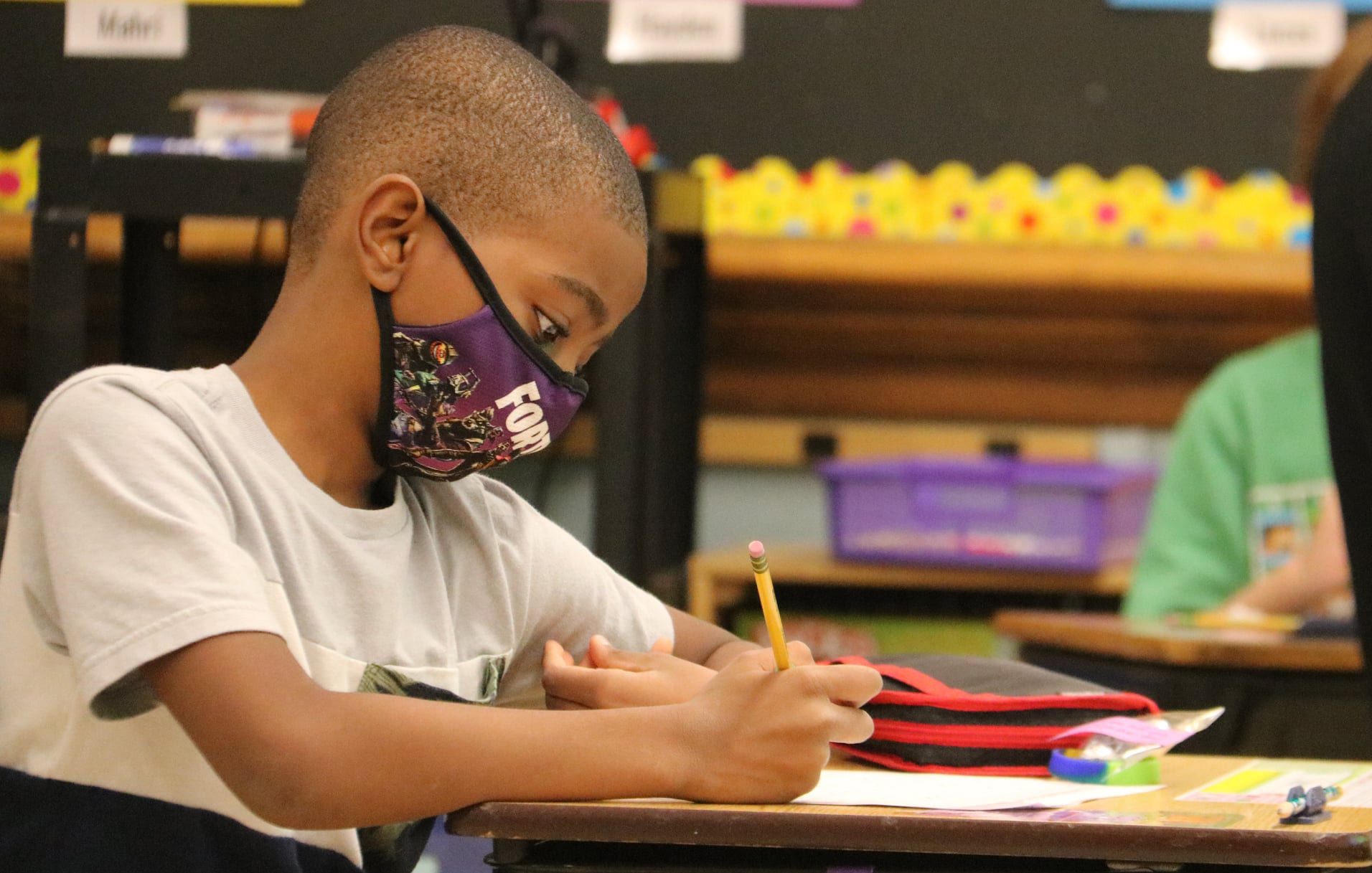
Across the county, K-12 students have begun their fall classes, with many enjoying full-time, in-person instruction for the first time since the pandemic hit. While the return to in-person instruction is a welcome one, school life this fall is far from the return to normalcy many were expecting at the end of spring.
Rising COVID-19 cases and new mandates have made planning for fall and navigating the new school year difficult for many administrators, but as several described, it’s worth the effort to help keep families safe while providing the best educational experience possible.
Like college administrators told Tompkins Weekly last month (see t.ly/Hpuh), K-12 administrators throughout Tompkins County saw how the pandemic situation worsened as summer went on and had to quickly adjust their plans for fall.
“At the beginning of the summer, the way that things were changing in terms of the guidance and what the mandates were, particularly around masking, I think that we had thought that we would start the school year [in] a little bit more of a normal posture in terms of coming back without masks perhaps or not having to distance and all of those things,” said Joshua Bacigalupi, superintendent of Dryden Central School District. “But as the summer wore on, and especially as we got into August, it was very apparent that we were going to need to ensure that we maintained some of those precautions that we had used last year.”
More changes came just before Labor Day when Gov. Kathy Hochul announced a new mandate that all teachers and staff at New York’s schools are required to be vaccinated against COVID-19 or be subject to once-a-week testing. Her mandate came out shortly after the New York State Department of Health issued its mandate that all students, staff and faculty must wear masks while in school buildings.
Margo Martin, superintendent of Groton Central School District, described the effect Hochul’s mandate, issued Sept. 2, had on her district.
“It’s pretty unfortunate that sometimes it seems like it takes bureaucracy a little bit of time to finalize and get a plan in place,” she said. “And so, it’s very difficult when schools have to respond at the 11th hour to a mandate that’s coming down. I think I got the email, it was like 3:48 on Thursday afternoon, and Friday was the beginning of the Labor Day weekend, Monday was a holiday, and we had teachers back on Tuesday. So, that’s always challenging.”
Chris Pettograsso, superintendent of Lansing Central School District, said understanding all of the information coming out for districts and implementing the necessary changes has been difficult for her and other administrators.
“With the vaccine proving effective in reducing the severity of COVID, decisions around protective measures and closures become more layered and based on multiple measures such as transmission, severity, hospitalization and health care capacity,” she said in an email. “Having a mixed population of students, vaccinated and unvaccinated (pk-6) adds an additional layer of concern and preceding with caution.”
Even though the mandates have created some challenges for area districts, several sources expressed that they’d already decided to go back to typical pandemic safety precautions before the mandates were issued.
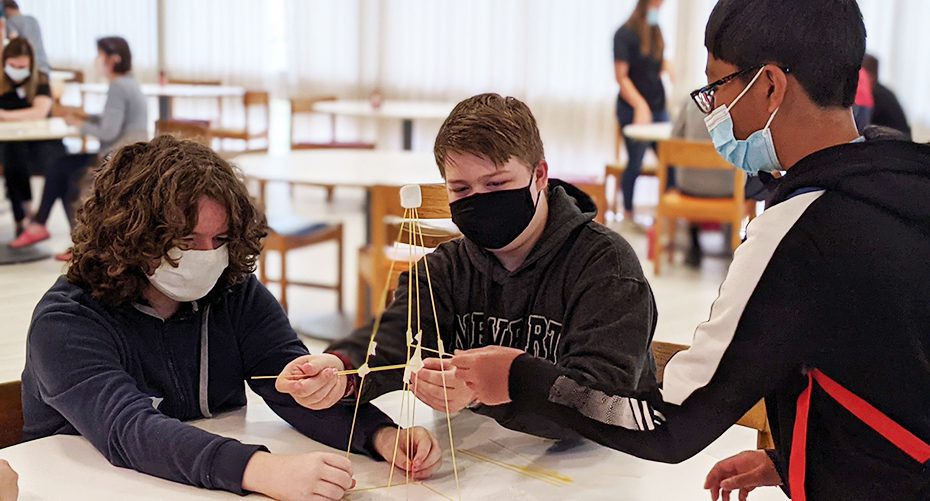
“Once the CDC announced that vaccinated folks, a lot more of them have breakthrough infections and are carriers and can spread, since we have a large majority of our people vaccinated, we decided we stick to the protocols to protect those that were unvaccinated or those that are more vulnerable, at least get ourselves in the practice before students under 12 show up who don’t have a vaccine accessible,” said Jeffrey Matteson, superintendent of TST BOCES.
Tina Nilsen-Hodges, principal and founder of New Roots Charter School, shared a similar experience.
“By planning conservatively for safety first and keeping abreast of communications, we were able to plan thoughtfully and well for a safe return of all students to in-person learning without need for last-minute adjustments,” she said in an email. “We feel fortunate as a small school to have greater capacity to respond quickly to emerging situations.”
In addition, sources expressed appreciation that both state and local health leaders are prioritizing an in-person learning experience.
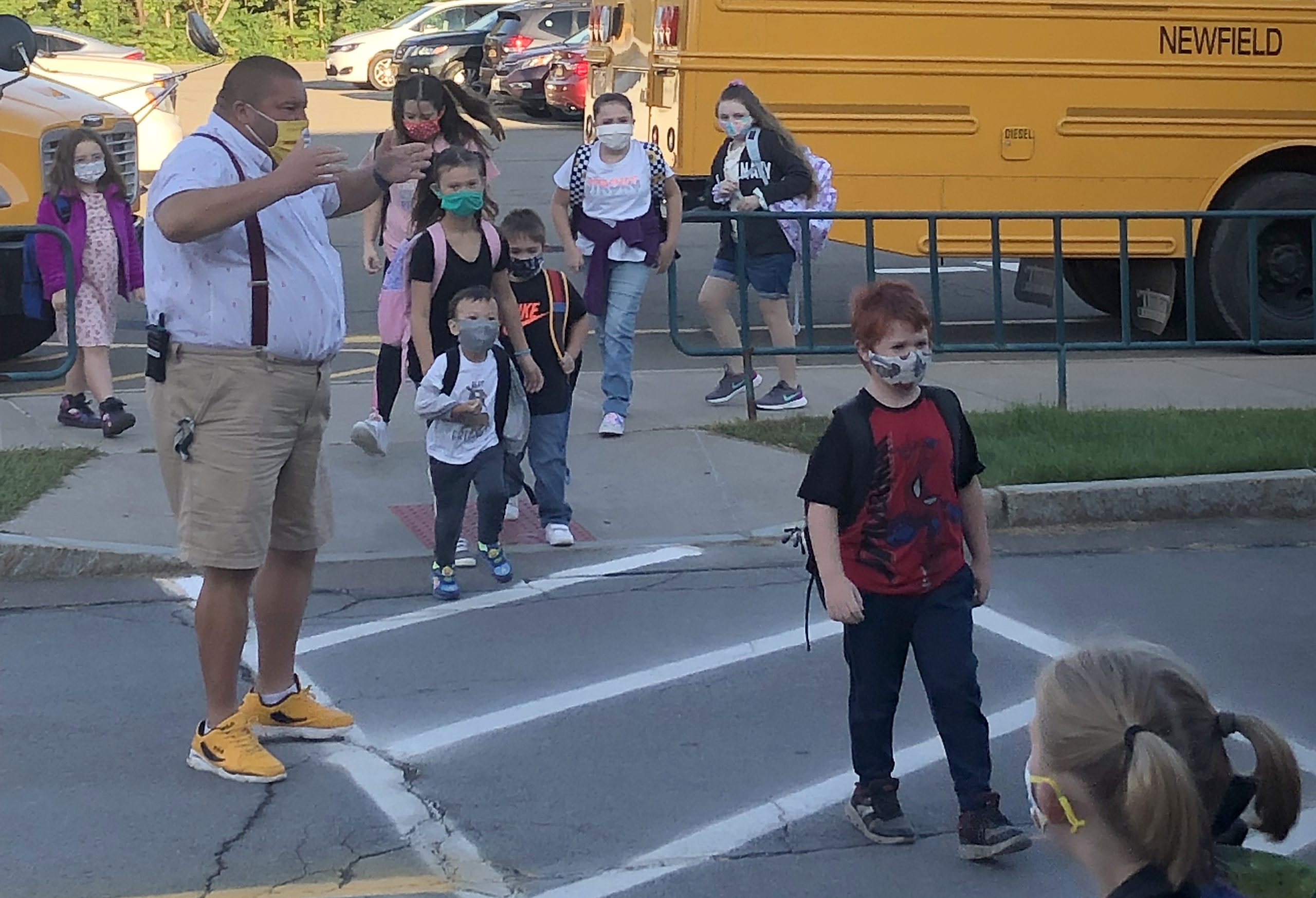
“It’s been 17 months since we’ve had all of our kids come to school for a full day,” said Eric Hartz, superintendent of Newfield Central School District, on the first day of classes last week. “It’s awesome. It was so fun to be out at buses this morning with kids unloading, coming in the building. They’re just excited. All the kids had masks on. They were appropriate. Parents seemed to be really good with dropping kids off. I feel like we’ve got a good thing in place here, so I’m hoping we can keep it going.”
As far as the response from staff, students and parents, administrators said they’ve experienced virtually no pushback on their policies.
“In general, people were kind of hoping it would look a little more normal,” Bacigalupi said. “But as I’ve said throughout, our community is super supportive. And there’s been very little pushback on any of those things that we’ve had to put in place that are more similar to last year that people were hoping we wouldn’t have to start the year with. … For the most part, people are very grateful that we’re able to bring everybody back to campus and keep people safe.”
Sources reported that some parents have voiced concern over the lack of a virtual option for their students this fall, but as administrators stressed, offering a virtual learning experience takes much more resources than is feasible for many districts.
“The evidence of this past year’s experience is conclusive: the learning experience of all students is diminished when teachers’ attention is divided between students in the classroom and those learning remotely,” Nilsen-Hodges said. “Like other local schools, we have limited capacity to offer temporary learning support for those who cannot come to school due to medical concerns. It’s not a panacea, but it can help to ease the transition in these challenging times.”
The return to in-person instruction has allowed administrators to focus their efforts on providing an improved learning experience for students.
“One of the ongoing challenges we anticipate is managing staff and student absences when they are experiencing symptoms of illness,” Pettograsso said. “Another that we’re meeting head-on is compensating for lost learning opportunities over the past year and a half by accelerating and expanding interdisciplinary literacy and mathematics learning opportunities for all students.”
Martin shared a similar sentiment, saying that her district has brought on additional staff to help address these gaps.
“A year really does have significant impact on students in terms of where they are academically,” she said. “So, we are hopeful that this year, with the additional staff and with revamping of some programming in our math and ELA areas across the board, K [through] 12, we’re going to be able to narrow those gaps quickly and, by the end of the year, their growth has been significant enough that we’ve really cut into that deficit of learning that they experienced because of a loss of instruction.”
Some administrators are facing the added challenge of staffing shortages, similar to what many industries are experiencing right now.
“There is heavy competition for employees everywhere right now,” Matteson said. “Even if we’re keeping 90%, 10% churn constantly is really tough. … The opportunities and the labor force is tight now for a variety of reasons. My hope is to get those filled, but my fear is that it’s going to be a while until it loosens up a little bit. So, I think that’s the biggest challenge for just about every employer in the region and definitely for our schools. We’re all in the same boat, trying to recruit and retain faculty and staff.”
While administrators and staff will continue to work to provide a good experience for students this fall, sources stressed that it will take cooperation from everyone to ensure things run as smoothly as possible.
“If kids aren’t feeling well, if people aren’t feeling well, keep kids home, especially the kids that are unvaccinated,” Hartz said. “Those are the things that are going to keep our entire community safe, so that’s my plea; if you’re not feeling good, stay home. Otherwise, get your kids to school, and hopefully, we can have a really good year and get some kind of normalcy back.”
To learn more about each school’s policies, visit Dryden at dryden.k12.ny.us, Lansing at lansingschools.org, Groton at grotoncs.org, Newfield at newfieldschools.org, TST BOCES at tstboces.org and New Roots at newrootsschool.org.
Related Articles
Meinig Fieldhouse built to protect iconic red-tailed hawks
The Meinig Fieldhouse hawks project shows how Cornell protected Big Red and other red-tailed hawks during construction.

TC3 reaches transfer agreement with Hobart and William Smith Colleges
TC3 transfer agreement guarantees acceptance and scholarships for graduates entering bachelor’s degree programs at Hobart and William Smith Colleges.

AmeriCU proudly connects students with annual scholarship opportunity
AmeriCU scholarship program awards $1,000 to students pursuing college or vocational education. Applications are open through March 15.