Local representatives push HEAP as winter nears
Lansing HEAP program applications are now open, helping low-income households cover heating costs and access energy assistance this winter.

State and local lawmakers representing Lansing are urging residents to apply for HEAP as winter approaches, highlighting the program’s importance for helping low-income households afford rising heating costs.
Applications for the Home Energy Assistance Program (HEAP) are now available, after the longest government shutdown in American history threatened delays to the funding that New York state lawmakers representing Lansing say is vital to keep New Yorkers warm this winter.
The federal program, administered through New York state, opened its enrollment Dec. 1. HEAP may be able to help residents who heat their home with:
- Electricity
- Natural Gas
- Oil
- Coal
- Propane
- Wood/Wood Pellets
- Kerosene
- Corn
Eligibility and benefits are based on income, household size, primary heating source, the presence of a household member who is under the age of 6 or who is age 60 or older and/or a person who is permanently disabled. HEAP typically pays for households’ heating services by compensating vendors directly. A qualifying household requires that:
- There is a U.S. citizen or permanent resident living in the household.
- The household monthly income is at or below the income guidelines.
- The household receives benefits from a list of social safety net programs that includes the Supplemental Nutrition Assistance Program, Temporary Assistance or Supplemental Security Assistance.
The maximum gross monthly income threshold for a household of one is $3,473. For a household of four it is $6,680, according to state HEAP guidelines. The financial benefit is also capped at different amounts depending on the conditions of the household. For instance, a family who lives in a home that is subsidized by the government and includes heat costs in the rent receives $21. For a family living in a private home without a subsidy, HEAP benefits depend on the type of heating used by the home. The highest benefit of $900 or more is reserved for homes that are heated with oil, kerosene or propane. Homes heated by electricity or natural gas receive $400 or more, depending on add-ons.
“HEAP helps low-income New Yorkers pay their heating bills, while also preventing utility terminations for nonpayment,” State Senator Lea Webb said in a press release. Webb represents the 52nd State Senate District, which encompasses Lansing. “In addition to administering the federally-funded HEAP, New York has a separate utility Energy Affordability Program (EAP) that provides up to $500 in annual savings per household.”
Households that receive a HEAP benefit automatically qualify for the EAP discount.
“Once enrolled in the EAP, households receive monthly discounts off their electric and gas bills for one year,” Webb said. “Utility reports show that while one million New Yorkers are already enrolled in EAP, there are approximately 1.5M eligible households across the state that have not yet enrolled to receive bill discounts.”
More information on program guidelines and enrollment can be found here: https://otda.ny.gov/programs/heap/
Webb and State Assemblymember Anna Kelles, who represents the 125th Assembly District, hosted a press conference last month about a week before the government shutdown ended on Nov. 12. The shutdown threatened to delay SNAP and HEAP benefits, along with other payments through social safety net programs.
“SNAP and HEAP are not charity. These essential programs are a commitment to nutrition, public health, and opportunity for every New Yorker,” Kelles said in a press release. “The truth is, both SNAP and HEAP touch nearly every corner of our community. It impacts our friends, colleagues, and neighbors. It is used by people you know, probably more than you think.”
Financial uncertainty surrounding HEAP and other programs at the federal level is bound to continue, according to experts with the National Energy Assistance Directors Association (NEADA). NEADA is the primary educational and policy organization for state directors of HEAP.
HEAP has been under persistent threat from the Trump administration, which fired the entire program staff at the Department of Health and Human Services (HHS) on April 1 and proposed eliminating funding for the program in fiscal year 2026, according to a NEADA press release.
On Nov. 28, HHS released $3.7 billion in HEAP funds, despite the administration’s proposal to eliminate the program. The government shutdown halted the release of funds at a pivotal time, as HEAP is most needed in cold-weather states from November to March. Heating costs are expected to soar this winter as consumers face new rounds of rate increases, NEADA officials say. HEAP is more crucial for low-income families now than ever during this holiday season, they added.
Author

Related Articles
Village of Lansing wins more than $500K for new sidewalks
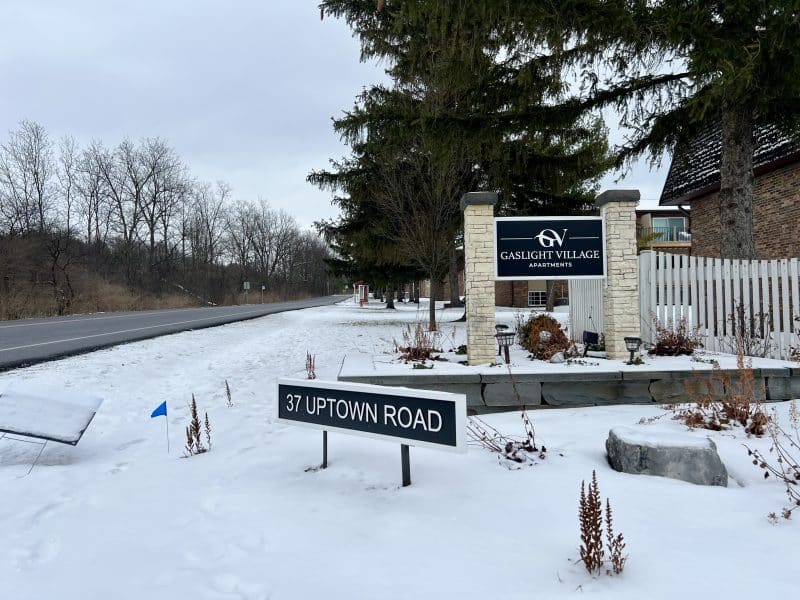
Lansing sidewalk funding exceeds $500K as the village earns state support through New York’s Climate Smart Communities program.
TeraWulf AI data center wins zoning appeal in Lansing
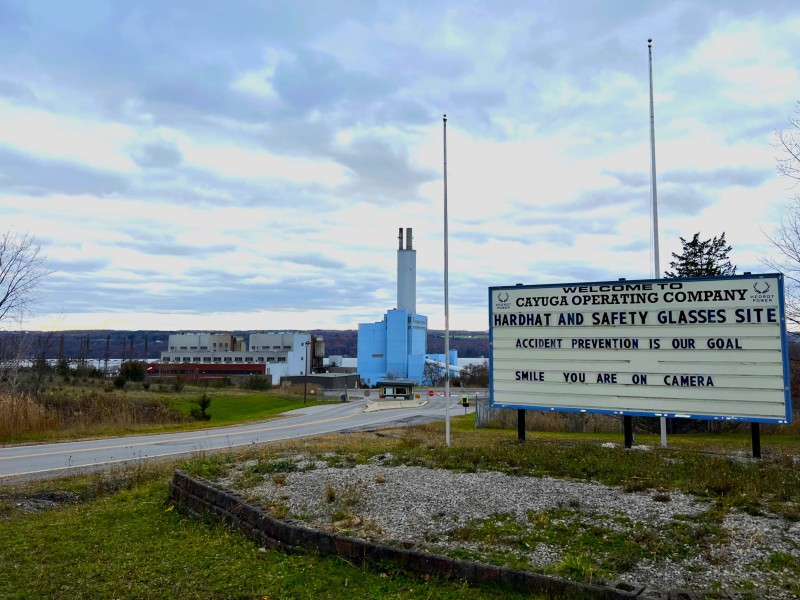
TeraWulf’s proposed AI data center at the former Cayuga Power Plant site in Lansing moves forward after winning a key zoning appeal on Dec. 22.