
Town of Lansing drops proposed moratorium on large-scale development
Lansing moratorium withdrawal clears the way for large-scale development projects, including the proposed AI data center near Cayuga Lake.
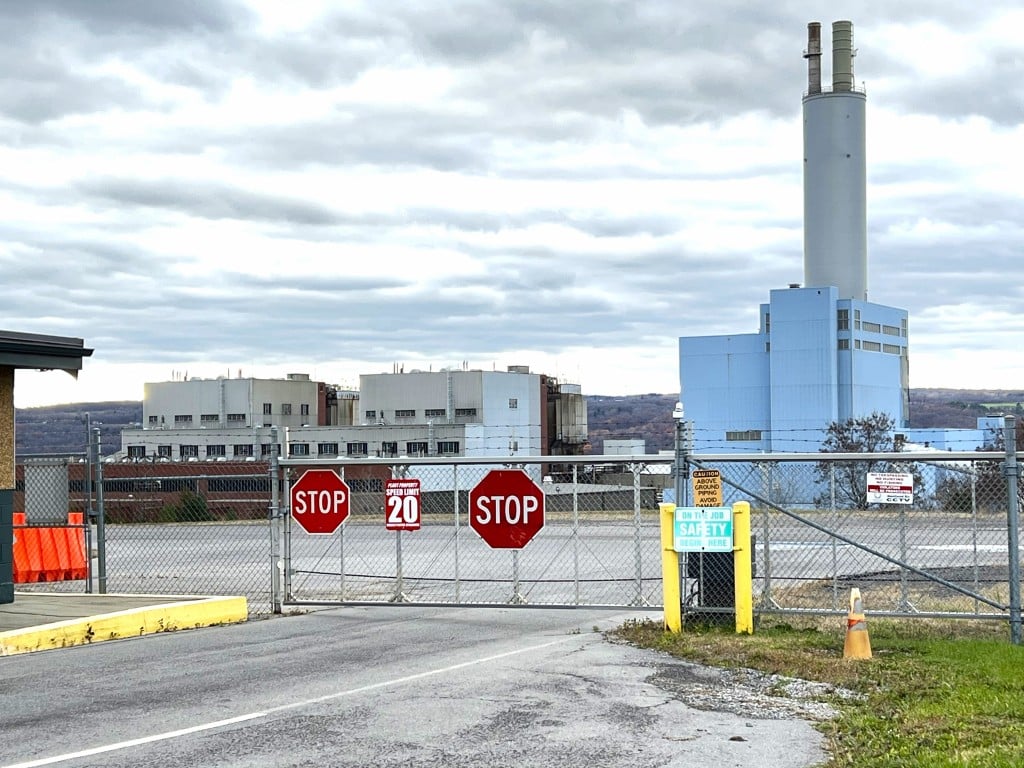
Community members continued to debate TeraWulf’s proposed Cayuga Lake Artificial Intelligence Data Center as the Lansing Town Board voted to withdraw a moratorium that could have paused large-scale developments.
The Lansing Town Board voted at its Nov. 19 meeting to withdraw a resolution that could have halted construction of large-scale construction projects with potentially adverse environmental effects.
The board’s decision was presented without further discussion prior to the unanimous vote, but it followed months of deliberation on the year-long moratorium. The board considered halting the proposal at the Nov. 5 meeting, and instead amended several tenets of the local law without a meeting date for when the board would discuss it again.
The deadline for residents and interested parties to submit comments on the moratorium also came on Nov. 12. The town has received hundreds of comments on the website, via email and at public meetings since initially discussing the moratorium back in September.
Comments poured in as the moratorium coincided with a proposal from TeraWulf to build an artificial intelligence data center at the site of the former Cayuga Power Station.
TeraWulf hasn’t yet presented plans in front of the town’s planning board for their proposed data center at a public meeting, but the company has hosted two town halls to present its plans and answer questions from the community. At the Nov. 19 meeting, TeraWulf officials were slated to deliver a presentation on their project, but that did not come to pass.
The company’s proposal became the central focus of the discussion around the moratorium since September. The discussion elicited strong reactions from proponents of AI data centers and those who saw the potential jobs and tax revenue that could stem from TeraWulf’s project as economic boons for the area. It also drew skepticism from residents near Cayuga Lake who were concerned about the potential for rising energy bills, lake water usage and pollution and the effects generative AI can have on overall literacy.
Town officials have said in prior meetings that the moratorium will help the town stay the course as consultants and a group of volunteers and town officials hash out a rewrite of the town’s zoning laws. That process, officials have said, started back in 2018.
The resolution approved by the board on Nov. 19 notes that “all town officers, staff, committees, and consultants cease all activity in furtherance of such moratorium, and no longer consider or work upon the same,” according to the resolution’s text.
However, the next clause in the resolution states that the town “reserves all legislative rights to consider a new or different moratorium in the future, when and as warranted, including upon the express recommendation of the town planner or town planning board.”
It is unclear what made board members change their mind. The prior meeting, on Nov. 5 saw a 3-2 vote in favor of not withdrawing the moratorium. Town Supervisor Ruth Groff, Deputy Supervisor Joseph Wetmore and board member Laurie Hemmings — who was absent at the Nov. 19 meeting — voted in favor of continuing to consider the local law.
At the public comment section of the meeting, area residents continued to spar over the moratorium and TeraWulf’s proposed data center. The board had to discuss whether or not TeraWulf’s proposal was on the agenda. They eventually agreed to allow attendees to comment on the matter.
“I’m asking the board to oppose the terrible data center proposal because it poses serious risks to both public health and the ecology of [the lake],” said Selena Torrado, an Ithaca resident.
Torrado said she is concerned about the lake water intake system at the Cayuga Power Plant still being at the facility.
“Although the company claims they will use a closed-loop cooling system, the intake infrastructure from the power plant is still there, and nothing legally prevents future water withdrawal or thermal discharge,” Torrado said.
Additionally, she said that she is worried energy bills will go up due to site usage and demand. Torrado noted she is also concerned about public health and the adverse health impacts that the center’s operation could cause on the nearby community.
Jerry Goodenough, a project management executive at TeraWulf, said that he wants the town and the company to move forward. Goodenough is the vice president of project management at Beowulf, a company acquired by TeraWulf earlier this year. In an article on Hunterbrook, Goodenough, the former plant manager at Cayuga Power Plant, is also identified as TeraWulf’s “upstate director.”
“We’d love to start working with you all, [New York State Electric and Gas] and the Department of Environmental Conservation — and everybody else as we go through the process,” Goodenough said. “Hopefully, we can get started there and get some of this other stuff behind us.”
Author

Related Articles
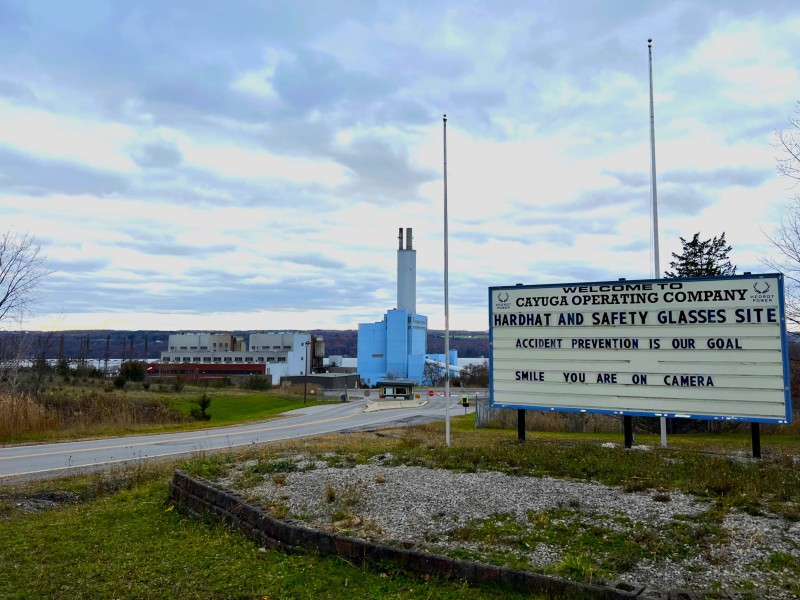
TeraWulf AI data center wins zoning appeal in Lansing
TeraWulf’s proposed AI data center at the former Cayuga Power Plant site in Lansing moves forward after winning a key zoning appeal on Dec. 22.

Local representatives push HEAP as winter nears
Lansing HEAP program applications are now open, helping low-income households cover heating costs and access energy assistance this winter.