
Leaders respond after city staff speak out against labor practices
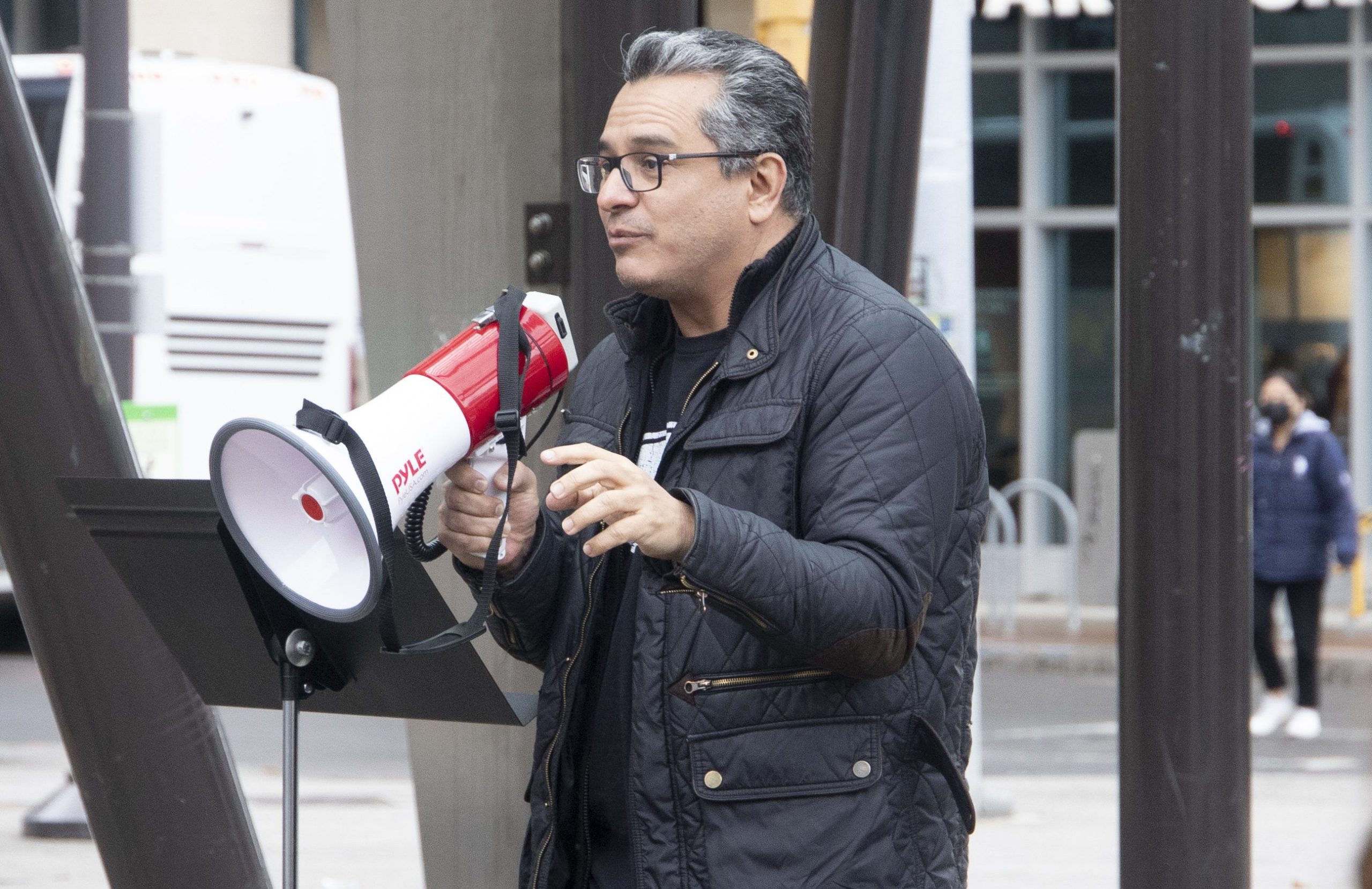
At the Nov. 2 Ithaca Common Council meeting (tinyurl.com/26oxuyho), over 40 people — most being current staff for the City of Ithaca — came to voice concerns regarding labor practices, with many pointing to unfair union negotiation tactics, low wages and an unsupportive working environment. The collective comments ultimately led to the delay of the vote for the city’s new budget, which was scheduled for that day.
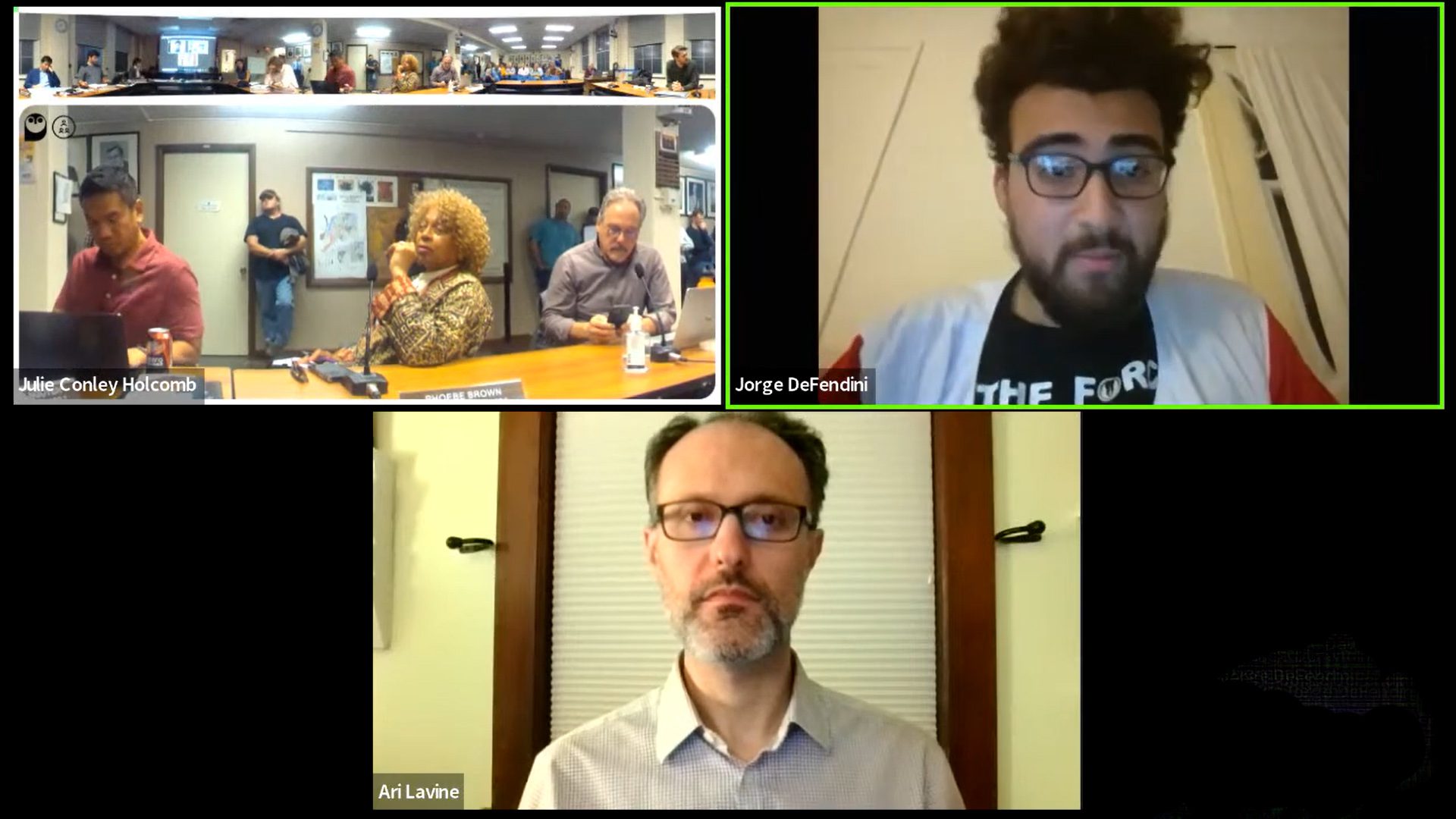
On Nov. 9, Ithaca Common Council met once again. The budget was ultimately approved with no changes since the previous meeting, but that was after an executive session that lasted more than 4 hours, which itself followed a 14-minute rebuke from City Attorney Ari Lavine (youtube.com/watch?v=sBrvszz0Gsw).
To say this has created a political hot potato is an understatement. Tompkins Weekly reached out to dozens of the speakers at the Nov. 2 meeting, as well as to Common Council members, for comment; only a small fraction responded. Thankfully, several were willing to share their thoughts, including a few Common Council members, so we spoke with them to hear the implications of the past couple of weeks as well as where we go from here.
First, a quick recap. The first big news item in this chain of events was the resignation of former Director of Sustainability Luis Aguirre-Torres, who has shared with Tompkins Weekly in the past his high hopes for the Ithaca Green New Deal (tinyurl.com/ycglol6a).
Aguirre-Torres announced his resignation Oct. 7, and his last day was Oct. 21. While he alluded to some motivations in his original announcement, it was Nov. 2 when Common Council received a more detailed explanation, as Aguirre-Torres was among the dozens who spoke during public comment.
“Two weeks ago, I resigned my position as director of sustainability,” he told Council. “And the reason I did that was because the environment in City Hall didn’t permit me, didn’t allow me to continue working with the conditions that I was being offered. … I never got the reception that I believe the [Ithaca Green New Deal] needed. And we never got the support that I believe the program needed. We needed more from you, Common Council. We needed more from you, staff. I didn’t get the support from Common Council because they did not do the proper oversight on the people that were trying to control the Green New Deal without having been tasked to do that.”
Aguirre-Torres called for Common Council to “dig deep” and implement needed changes before the city loses more staff to unfair labor practices, and he wasn’t alone. While including all of the comments would take many pages, here are some highlights.
Erin Cuddihy, transportation engineer for the city, voiced that her annual salary of $76,000 is “tens of thousands” less than what she could get paid for the same sort of work elsewhere, including at the state level. She was among others who referenced the in-process compensation study, which seeks to evaluate employee wages as compared to wages of similar positions throughout the state and region.
“The compensation study will inform us all about how underpaid staff are, but until we allow positions to earn more than the bargaining unit maximum salaries and allow new hires to start on a higher step than step one, we will not fix the salary problem,” Cuddihy said Nov. 2. “The bargaining units and contracts process is arbitrary and unfair. So, for me, there are two main concerns: I need the city to pay its staff wages that are keeping pace with the times, and I also want the raises, benefits and holidays to be allocated fairly across the board, regardless of bargaining unit or a management status.”
Among the dozens of current and former city employees voicing concerns, several cited one city staff member as particularly to blame for the unfair labor practices — Lavine.
“How can we hire a person of color to be one of the few people of color in the major staff, and then have to suffer through hundreds of microaggressions through discrimination, having the city attorney call in to bully this person into doing something that he wanted to happen?” Aguirre-Torres said at the meeting. “How can we continue doing that? It is impossible for anybody to do anything, to do any good.”
Brian Weinstein, assistant chief of the Ithaca Fire Department, also voiced disapproval of Lavine.
“The most unpalatable part of this negotiations culture is the unwillingness of our elected leaders to hold the negotiators, our city attorney and his team, accountable,” Weinstein said at the meeting. “We are operating in a take-it-or-leave-it environment, and no one seems to care. This marginalization, aside from reducing morale and opening our members to economic hardship never seen before, creates a stressful, insecure, hostile work environment. And the people creating this difficult work environment are the ones who are supposed to be protecting us against hostility and fear.”
Brendan Bloodnick, also with the Ithaca Fire Department, said that “efforts in recruitment and retention are clearly failing.”
“Seemingly in the face of this, the city attorney’s office has been tasked with gutting labor contracts from the city’s various collective bargaining units,” Bloodnick said. “How does the city expect to recruit and retain dedicated employees when, at every turn, your current workers are treated as no more than a liability? As Council considers the funding on numerous projects this evening, I urge you to remember that without many dedicated employees, even the most basic of government functions will fail.”
After the public comment portion, many Common Council members responded to the collective effort, with several bringing attention to the “bravery” it took to speak.
“I’d like to get to the bottom of rectifying how we can make this something that we can be more proactive instead of reactive about so that people don’t have to, with immense bravery and courage, come up here and testify and talk about very uncomfortable and difficult conversations,” said Alderperson Jorge DeFendini at the meeting. “But they need to be had because these things need to be in the limelight. I commend you all for doing this. And I want you to know that I will be with you every step of the way going forward.”
A day later, the mayor’s office released an official statement on the matter. Then-Acting Mayor Laura Lewis, who won the mayoral election several days later and thus dropped the “acting” from her title, addressed some of the staff members’ concerns.
“A comment I would most like to address is the suggestion that the City’s labor negotiating team has acted in bad faith,” she said in the statement. “Nothing could be further from the truth. This team — also made up of highly dedicated staff — has spent innumerable hours in meetings with the City’s bargaining units, to negotiate the best possible packages of wages and benefits that the City’s taxpayers can afford.”
Lewis also appeared to call out some people’s pointed remarks at Lavine.
“I have every confidence in our team and was appalled to hear undeniably genuine employee morale issues twisted into offensive and unfounded personal attacks on the City’s negotiating team, and particularly City Attorney Ari Lavine,” she said. “The City spends nearly three out of every four taxpayer dollars on our people, so tax increases and labor contract negotiations are two sides of the same coin. There are no easy answers here, and there never have been.”
Lewis went on to criticize “most of Common Council,” who she said “failed miserably last night in recognizing or conveying the tough choices and genuine intent that consistently motivates our negotiating team in the City’s best interests.”
About a week later, Lavine made his official response — the 14-minute speech alluded to previously. Lavine, while expressing gratitude to those “who spoke respectfully and factually” at the Nov. 2 meeting, called out others “who turned instead to rumor-fueled character assassination,” calling the latter group on numerous occasions a “mob on the attack.”
Throughout, Lavine called out members of Common Council and city staff, pointing to the thanks previously quoted in this story.
“I am glad that we live in a country where last week’s obscene spectacle is legal,” he said. “But there’s nothing to be commended about how some of the employees and many leaders conducted themselves, including some of our supervisory employees. We live in a time of fact-free political movements. I have been at the heart of Ithaca governance for a decade. My office literally has a back door that connects directly into the mayor’s office. And I am here to tell you that Ithaca has long been and I believe still is better than that.”
Of note, throughout his speech but especially toward the end, Lavine’s volume and tone were loud and filled with palpable anger, and the executive session was promptly started after a short thank-you from Lewis for Lavine’s remarks. While those interviewed weren’t able to divulge the discussions from that executive session, the entire meeting clearly left a significant impression on Council members.
Alderperson Cynthia Brock, for example, called Lavine’s behavior “unacceptable.”
“It is incumbent upon all of us city employees, elected officials and the administration to create a supportive, professional, safe, accountable working environment,” she told Tompkins Weekly. “Employees had come forward saying that they felt discriminated against, bullied and harassed. They were looking for city Council to help redress and correct that situation. I feel that the behavior of the city attorney, which was clearly conducted with the approval of the mayor, highlighted and demonstrated to everyone in the city the very conditions that city employees were concerned about.”
As for Lavine’s remarks toward Council staff, Brock also voiced disapproval.
“I reject the premise that the mayor, and, by extension, the city attorney, has the purview to harass, intimidate and silence Council and demand that we comply and approve their behavior or their direction,” she said. “That is not our purview. I do not work for the mayor. In fact, my role is a check and balance on the authority of the mayor. And I take that role very seriously. And I think that [Lavine’s] statements were a complete overstep of his authority. And it’s unacceptable.”
Alderperson George McGonigal shared his thoughts.
“The fact that [Lavine] was upset is understandable,” McGonigal told Tompkins Weekly. “His severe criticism of members of Council was not appreciated and, in my opinion, was unfair.”
Where we go from here is uncertain, to say the least. Common Council members interviewed for this story expressed that they and their fellow Council members are taking the staff members’ concerns seriously and will work to address them in the coming weeks.
“Staff want to see that we are not just reacting to one meeting and then moving on,” said Alderperson Robert Cantelmo in an interview. “They want to see that we’re taking this issue seriously and it’s getting the sustained attention and care that it deserves. … I think the workforce climate study, and then being prepared to talk about the compensation study, are two huge things. There are other ways that I am exploring to improve the opportunity for two-way communication between staff and Council.”
McGonigal also voiced a dedication to addressing the concerns, though he acknowledged there is no quick fix.
“I think senior city staff take the salary and hourly wage issues very seriously, and we’re going to try to address them,” he said. “We may not solve everything this year. But we definitely heard from our staff, and we’re going to make every effort to get things [to] a better situation so they can support their families. We’re in a tough time with inflation, and people are struggling, and we recognize that. And we’re going to do our best to fix that, and that may mean taking on fewer extraneous good causes than we’ve done in the past, including this year. We may need to focus more on our own staff and our own needs in the very near future.”
While most who came to the Nov. 2 meeting for public comment came to voice labor concerns, some came for other reasons, such as to show support for the Green New Deal. Former Legislator Martha Robertson was one such observer, and she expressed hope that the city will address these concerns to the fullest extent possible. She said doing so is essential to keep all the governments’ functions running smoothly.
“As very much an outsider looking in and not even a city resident, I sure hope they come to something that can be more genuinely accepted and where the employees feel more respected than they obviously do,” she said in an interview. “Speaking with a county hat on, the county desperately needs the city to function well. We absolutely depend on a strong city government, strong city economy, and competent and strong city services. So, I hope they figure it out.”
Jessica Wickham is the managing editor of Tompkins Weekly. Send story ideas to them at editorial@VizellaMedia.com.
Related Articles

Holiday traditions bring community cheer
Tompkins County holiday traditions light up homes, farms, and schools with festive cheer and community spirit.

The gift of an experience: Local businesses offer hands-on holiday fun
Holiday experience gifts in Tompkins County include candle making, gourd crafts, and pottery workshops for creative seasonal fun.
Code Blue shelter opens amid praise, concerns and ongoing debate
Ithaca’s Code Blue shelter opens with larger space, showers, and case management to help residents during cold weather.