
Local veterinarian sees increased demand
It was Valentine’s Day 2004 when Adana Veterinary Clinic first opened on Brooklyn Road in Freeville, welcoming pets of all shapes and sizes, from dogs and cats to rats and bunnies. Since then, it’s grown into an area mainstay, and its dedication to the community hasn’t wavered, even during the pandemic.
Adana, like many veterinary clinics, initially saw a decrease in services in the beginning weeks and months of the pandemic as many were locked down, but that demand has since skyrocketed, said Adana owner and founder Gry Wildenstein. She shared the challenges of trying to help her patients while managing all the challenges caused by the pandemic.
Wildenstein has had a passion for animals since she was little, having been raised by a veterinarian father in Denmark and dreaming of becoming a veterinarian herself. After studying in Denmark and working there for four years, she moved to the states and to the small village of Freeville.
“I worked in the area for about 15 years, and I just had this urge to go out and do stuff by myself,” Wildenstein said. “At that point, I was looking into possibly buying another practice. Most of them were just kind of remodeled houses or buildings and not super attractive. And I realized I could actually build for what I would have to buy a practice for.”
While building her own practice from the ground up was an expensive undertaking, she had the advantage of living close by on Brooklyn Road and owning the land where she wanted her practice to be.
“Once that dream kind of came through, it’s just a matter of starting to take some trees down here and dream up what I wanted to build and connect with an architect who could help me put that on paper and get all the correct things done,” she said.
Wildenstein used her 15-plus years of experience in veterinary medicine to design her dream practice, with the floorplan emphasizing comfort and openness and the interior decorating reflecting her Danish heritage. She designed the building to have separate areas for dogs and cats, which she explained was meant to cater to cats’ sensitivities.
“We always have catered to cats because I’m sensitive to their special needs,” she said. “The other room on the other side is for dogs and cats and anything else. But the cats are scared when they come in here. And so, they don’t like to be right next to a big barking dog or to smell dogs.”
There is also a private grieving room for owners to say goodbye to their pets, with a separate entrance to carry out their deceased animal.
Since the start, Wildenstein has put the treatment of her patients first and foremost and prides herself on the relationships she’s formed with a wide variety of clientele.
“Something that’s really near and dear to me is we have to listen to our clients,” she said. “We all call it like being in a family because we know so many of our clients that have been coming for many years, and even people that are new come in and they can feel that kind of welcoming, warm feeling. And so, we try to be professional yet personal.”
When the pandemic hit, Wildenstein and her employees had to adapt quickly, which was no small feat. Adana has been open all through the pandemic and had to adjust practices on the fly to continue providing services to animals in need.
“There was no cookie formula; you just had to develop your own,” Wildenstein said. “How do we disinfect? How do we stay safe? Early on, it was probably April, we all started wearing masks and trying to keep social distancing. But things just kept evolving. It was so tiring.”
Wildenstein had to continuously write up new policies and post them on the website, all while dealing with a slower pace due to the increased requirements.
“It was just taxing to make all the choices,” she said. “And we worked slower because with the distancing and trying to have less people come into the clinic, appointments were longer. And some people obviously were, I guess, scared of even coming in or bringing their pets. So, lots of pets got neglected for a little bit. People got behind.”
Wildenstein said that during the beginning of the pandemic, business was down 20% from pre-pandemic levels, but that changed once things started to open back up.
“Veterinarians are so busy right now like we have never been before,” she said. “There’s an overabundance of new pets, there’s pets that got behind two or three months, and then they all need to get in. And there’s things that people saw but they either didn’t have the money or the means or they were scared of COVID.”
An unfortunate result of this backlog is that Wildenstein and others in her field have had to turn down clients and schedule appointments weeks in advance. It’s something Wildenstein said has taken its toll on her and her employees.
“We say no so many times a day, and we’re not used to that,” she said. “It’s been really stressful because we like to help and we want to help pets and people. And so, to be in a position where we absolutely have no more time and we’re working as hard as we can, it’s really difficult.”
This backlog is why Wildenstein is encouraging residents to plan ahead before buying a new pet during the pandemic and try to be patient.
“If people are considering getting a new pet, please make sure ahead of time that you have a veterinarian,” she said. “Make sure you call ahead for that appointment. And don’t just call the same day. And be understanding that everybody is trying to do the best they can.”
Moving forward, Wildenstein said she hopes that the pandemic situation will stabilize and she’ll be able to decrease the backlog. But no matter what the future holds, Wildenstein expressed her gratitude to the community and to her staff for their continued support through all the changes she and others have faced.
“We love the community,” she said. “It’s a great place to be. I like to be outside of Ithaca, but not too far away, to have nature around us. And I think, in general, people are very grateful and easy to work with.”
Related Articles
Dryden Fiber looks back on another year of service
Dryden Fiber reflects on a year of growth as the municipal internet provider expands service across Dryden and Caroline.
Holiday traditions bring community cheer
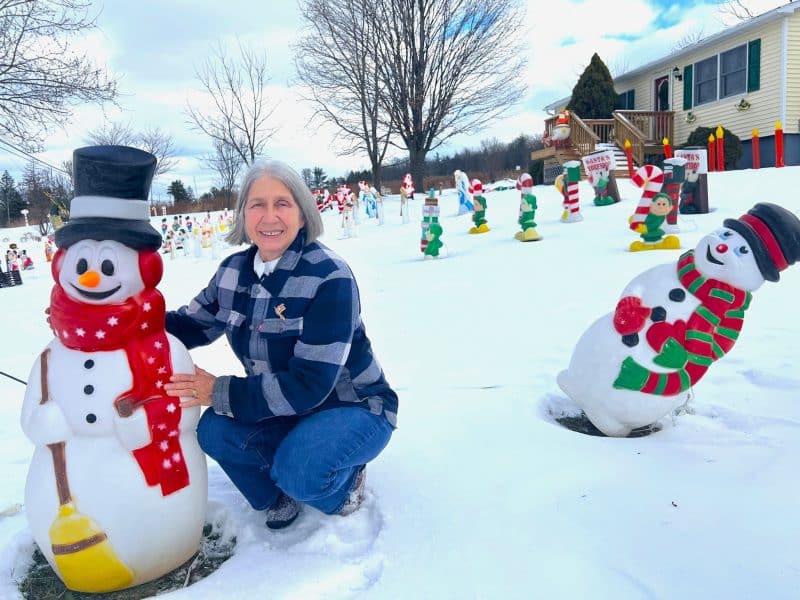
Tompkins County holiday traditions light up homes, farms, and schools with festive cheer and community spirit.
The gift of an experience: Local businesses offer hands-on holiday fun
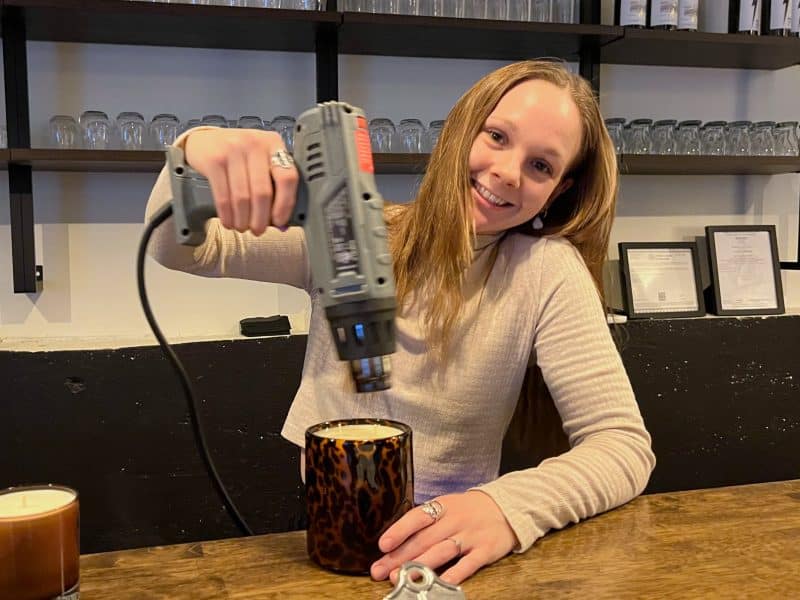
Holiday experience gifts in Tompkins County include candle making, gourd crafts, and pottery workshops for creative seasonal fun.